When Does Heartburn Become a Health Concern?-
Heartburn is a common digestive problem that causes a burning sensation in the chest or upper abdomen, often after eating. Occasional heartburn is usually not serious and may improve with simple lifestyle changes. However, frequent, severe, or persistent heartburn should not be ignored. It may be a sign of gastroesophageal reflux disease (GERD) or another medical condition. In some situations, what feels like heartburn can actually be a symptom of a heart problem.   Heartburn happens when stomach contents flow back into the esophagus, the tube connecting your mouth to your stomach. The stomach contains acid that helps digest food. The esophagus does not have the same protective lining, so repeated exposure to stomach acid can cause irritation and a burning sensation. Common triggers include: Large or heavy meals Spicy or fatty foods Eating shortly before bedtime Excess body weight Smoking Alcohol Coffee and other caffeinated drinks Pregnancy Certain medications Not everyone has the same triggers. What Does Typical Heartburn Feel Like? Heartburn commonly causes: Burning behind the breastbone A sour or acidic taste in the mouth Acid or food coming back into the throat Symptoms that worsen after meals Discomfort that becomes worse when lying down or bending over Occasional symptoms may not be a cause for concern. When Does Heartburn Become a Health Concern? You should speak with a healthcare professional if heartburn: Happens frequently or repeatedly Occurs several times a week Continues despite lifestyle changes or over-the-counter treatment Interferes with sleep or daily activities Causes difficulty or pain when swallowing Is accompanied by persistent nausea or vomiting Is associated with unexplained weight loss Causes persistent cough, hoarseness, or throat irritation Requires frequent use of antacid medicines Frequent heartburn may indicate GERD, which can cause inflammation and complications if left untreated. When Could Heartburn Be a Heart Problem? This is particularly important: chest pain should not automatically be assumed to be heartburn. A heart attack or other heart condition can sometimes feel like indigestion or burning in the chest. Seek emergency medical care if chest discomfort is: Severe, sudden, or unfamiliar Associated with shortness of breath Accompanied by sweating Associated with dizziness or fainting Accompanied by nausea or vomiting Spreading to the arm, shoulder, back, neck, or jaw Associated with unusual weakness or a feeling of impending danger If you’re unsure whether chest pain is caused by heartburn or your heart, it’s safer to get urgent medical evaluation rather than trying to diagnose it yourself. Can Frequent Heartburn Damage the Esophagus? Yes. Long-term untreated acid reflux can irritate and damage the lining of the esophagus. Possible complications include: Esophagitis Esophageal ulcers Esophageal narrowing or strictures Barrett’s esophagus Barrett’s esophagus can increase the risk of esophageal cancer, although most people with GERD do not develop cancer. How Can You Reduce Heartburn? Lifestyle changes can help many people manage occasional reflux. Try to: Eat smaller meals. Avoid foods that consistently trigger your symptoms. Avoid lying down for about 2–3 hours after eating. Maintain a healthy weight if you are overweight. Avoid smoking and tobacco. Limit alcohol if it triggers symptoms. Raise the head of your bed if nighttime reflux is a problem. Keep a record of foods or activities that trigger symptoms. If lifestyle measures are not enough, a doctor may recommend medication. What Medicines Are Used for Heartburn? Depending on the severity and frequency of symptoms, treatment may include: Antacids H2-receptor blockers Proton pump inhibitors (PPIs) The right treatment depends on the cause and your individual health. If you need heartburn medication frequently, consult a healthcare professional rather than continuing self-treatment indefinitely. How Is Persistent Heartburn Diagnosed? A doctor may diagnose GERD based on your symptoms and medical history. If symptoms are persistent, severe, or accompanied by warning signs, additional tests may be recommended, such as: Upper gastrointestinal endoscopy Esophageal pH monitoring Esophageal manometry Other imaging or laboratory tests when appropriate Heartburn and Digestive Care at Brij Lal Hospital At Brij Lal Hospital, patients with persistent heartburn, acid reflux, and other digestive symptoms can receive medical evaluation and specialist care. Doctors can assess the underlying cause of symptoms and recommend appropriate diagnostic testing and treatment. For people looking for the Best Multispeciality Hospital in Haldwani- Uttarakhand, access to experienced specialists and diagnostic facilities can be valuable when digestive symptoms become persistent or complicated. Patients searching for the best hospital in Haldwani Uttarakhand can seek comprehensive evaluation for gastrointestinal conditions and related health concerns. Frequently Asked Questions Is occasional heartburn normal? Occasional heartburn is common and is often related to meals or lifestyle factors. Frequent or persistent symptoms should be discussed with a healthcare professional. How often is heartburn considered too frequent? If heartburn occurs regularly, particularly several times a week, or requires frequent medication, it is worth discussing with a doctor. Can heartburn feel like chest pain? Yes. Heartburn can cause burning chest discomfort. However, heart-related chest pain can sometimes feel similar, so new or severe chest pain should not be assumed to be heartburn. Is heartburn the same as GERD? No. Heartburn is a symptom. GERD is a chronic condition involving repeated reflux of stomach contents into the esophagus, and heartburn is one of its most common symptoms. Conclusion Occasional heartburn is usually manageable, but frequent or persistent heartburn deserves medical attention. It may be a sign of GERD and, over time, can cause complications affecting the esophagus. Most importantly, don’t ignore unexplained or severe chest pain. If you experience chest discomfort with shortness of breath, sweating, dizziness, or pain spreading to the arm, jaw, neck, or back, seek emergency medical care. Understanding the difference between occasional heartburn and concerning symptoms can help you get the right treatment at the right time.  
Gallstones: Symptoms, Causes and When Surgery Is Needed-

Gallstones are hard, stone-like deposits that develop inside the gallbladder, a small organ located beneath the liver. They are common and may not cause any symptoms. However, when a gallstone blocks the flow of bile, it can cause significant abdominal pain and sometimes serious complications. Understanding the symptoms, causes, risk factors, treatment options, and when gallbladder surgery may be necessary can help you seek timely medical care. What Are Gallstones? The gallbladder stores bile, a digestive fluid produced by the liver. Gallstones form when substances in bile—most commonly cholesterol or bilirubin—become concentrated and crystallize. Gallstones can range from tiny particles to larger stones. There are two main types: Cholesterol stones: The most common type, usually made primarily of hardened cholesterol. Pigment stones: Formed mainly from bilirubin and more commonly associated with certain blood or liver conditions. What Causes Gallstones? Gallstones can develop when the balance of substances in bile changes or when the gallbladder does not empty properly. Factors that may increase the risk include: Overweight or obesity Rapid weight loss Pregnancy Increasing age A diet high in calories and unhealthy fats Family history of gallstones Certain liver or blood disorders Diabetes Some medications Being female Having one or more risk factors does not necessarily mean that you will develop gallstones. What Are the Symptoms of Gallstones? Many people have “silent” gallstones, meaning the stones are discovered during an ultrasound or another imaging test but cause no symptoms. When gallstones cause problems, symptoms may include: Sudden pain in the upper-right or upper-middle abdomen Pain after eating, particularly after a fatty meal Pain that may spread to the back or right shoulder Nausea Vomiting Abdominal discomfort or bloating Gallstone pain, often called biliary colic, can last for several minutes to several hours. Warning Signs That Need Urgent Medical Attention Gallstones can sometimes cause inflammation or blockage of the bile ducts. Seek urgent medical attention if you experience: Severe or persistent abdominal pain Fever or chills Yellowing of the skin or eyes Dark urine Pale-colored stools Repeated vomiting Severe tenderness in the abdomen These symptoms can indicate complications such as acute cholecystitis, bile duct obstruction, or pancreatitis. How Are Gallstones Diagnosed? Doctors usually begin with a medical history and physical examination. Common investigations include: Ultrasound An abdominal ultrasound is commonly used to identify gallstones and assess the gallbladder. Blood Tests Blood tests may help identify inflammation, infection, or problems involving the liver and bile ducts. Additional Imaging Depending on the situation, doctors may recommend tests such as: CT scan MRI/MRCP Endoscopic ultrasound ERCP in selected cases The appropriate test depends on the symptoms and suspected complication. Do All Gallstones Require Surgery? No. If gallstones are discovered incidentally and do not cause symptoms, treatment may not be necessary in many cases. Your doctor may recommend observation and follow-up instead. However, symptomatic or complicated gallstones may require treatment. When Is Gallbladder Surgery Needed? Surgery may be recommended when gallstones cause: Repeated attacks of biliary pain Acute or chronic gallbladder inflammation Gallstone-related pancreatitis Bile duct obstruction Certain complications involving the gallbladder The most common operation is laparoscopic cholecystectomy, in which the gallbladder is removed through small incisions. What Happens After Gallbladder Removal? The liver continues to produce bile after surgery. Instead of being stored in the gallbladder, bile flows directly into the small intestine. Most people can live normally without a gallbladder. Can Gallstones Be Prevented? Not every case can be prevented, but some lifestyle habits may reduce risk: Maintain a healthy weight. Avoid rapid weight loss or crash diets. Eat a balanced diet with adequate fiber. Choose healthier sources of fat. Stay physically active. Manage diabetes and other underlying conditions appropriately. If you’re trying to lose weight, gradual weight loss is generally preferable to extreme dieting. Gallstone Treatment at Brij Lal Hospital At Brij Lal Hospital, patients with suspected gallstones can receive comprehensive evaluation, including clinical assessment, diagnostic imaging, and specialist consultation. When surgery is required, the surgical team can determine the most appropriate approach based on the patient’s condition. For people looking for the Best Multispeciality Hospital in Haldwani- Uttarakhand, access to experienced surgeons, diagnostic facilities, anesthesia services, and coordinated postoperative care can be important when managing gallbladder conditions. Patients searching for the best hospital in Haldwani Uttarakhand can seek evaluation and treatment for gallstones and other gastrointestinal conditions under experienced specialists. Frequently Asked Questions Can gallstones go away on their own? Gallstones generally do not disappear on their own. However, if they are not causing symptoms, treatment may not be necessary. Is every gallstone dangerous? No. Many gallstones remain asymptomatic and never cause problems. Treatment decisions depend largely on symptoms and complications. Can gallstones cause severe pain? Yes. A stone blocking the gallbladder outlet can cause sudden, intense pain in the upper abdomen, often lasting several minutes to hours. Is gallbladder removal a major surgery? Laparoscopic gallbladder removal is a commonly performed surgical procedure. Recovery varies depending on the patient’s overall health and whether complications are present. Can you live normally without a gallbladder? Yes. Most people can live a normal life after gallbladder removal because the liver continues to produce bile. Conclusion Gallstones are common, and many people never experience symptoms. However, stones that cause repeated abdominal pain, inflammation, infection, bile duct blockage, or pancreatitis may require medical or surgical treatment. If you experience recurring upper-abdominal pain—especially after meals—or develop fever, jaundice, persistent vomiting, or severe pain, don’t ignore it. A timely medical evaluation can help identify gallstones and prevent potentially serious complications.  

Pregnancy After 35: Important Health Considerations-

Pregnancy after the age of 35 is sometimes described as a “high-risk pregnancy,” but that does not mean complications are inevitable. Many women over 35 have healthy pregnancies and healthy babies with appropriate prenatal care. However, certain health risks become more common with age, so pre-pregnancy planning, regular antenatal care, and appropriate screening become especially important. Why Does Pregnancy After 35 Need Extra Attention? As women get older, fertility gradually decreases, and some pregnancy-related complications become more likely. These changes do not mean that pregnancy is unsafe; rather, they mean that doctors may recommend closer monitoring. The level of risk also depends on overall health, medical history, previous pregnancies, lifestyle, and whether the pregnancy is naturally conceived or assisted. Fertility May Decrease With Age Female fertility generally declines with age because both the number and quality of eggs decrease over time. This can make it harder to conceive and can increase the likelihood of miscarriage or chromosomal abnormalities. If you are over 35 and have been trying to conceive without success, speak with a gynecologist about whether a fertility evaluation is appropriate. Health Risks During Pregnancy After 35 Some complications are more common in pregnancies at an older maternal age. Gestational Diabetes The risk of developing gestational diabetes increases with maternal age. This is why blood sugar screening is an important part of prenatal care. Good nutrition, appropriate physical activity, and medical monitoring can help manage the risk. High Blood Pressure and Preeclampsia Pregnancy-related high blood pressure and preeclampsia are more common with increasing maternal age. Regular blood pressure checks and prenatal appointments help doctors identify these conditions early. Chromosomal Conditions The chance of certain chromosomal conditions, including Down syndrome, increases with maternal age. Doctors may discuss prenatal screening options such as: Cell-free DNA screening Ultrasound examinations Other blood tests Diagnostic tests such as chorionic villus sampling or amniocentesis when appropriate Screening tests estimate risk, while diagnostic tests can provide more definitive information about specific chromosomal conditions. Miscarriage The risk of miscarriage increases with age, partly because chromosomal abnormalities become more common as egg quality declines. However, many women over 35 still have successful pregnancies. Pregnancy and Delivery Complications Depending on individual circumstances, older maternal age may also be associated with a greater likelihood of: Placental problems Preterm birth Cesarean delivery Multiple pregnancy-related complications Your doctor will assess your individual risk rather than relying on age alone. How Can You Prepare for a Healthy Pregnancy? If you’re planning a pregnancy after 35, preparation can make a significant difference. 1. Schedule a Preconception Check-Up Before becoming pregnant, discuss your medical history, medications, vaccinations, previous pregnancies, and any existing health conditions with your gynecologist. 2. Take Folic Acid Folic acid before conception and during early pregnancy helps reduce the risk of neural tube defects. Your doctor can advise you on the appropriate dose based on your individual circumstances. 3. Maintain a Healthy Weight Being significantly overweight or underweight can affect fertility and pregnancy outcomes. Aim for a healthy weight before pregnancy when possible. 4. Avoid Tobacco and Alcohol Smoking and alcohol can negatively affect fertility and pregnancy. Avoiding tobacco and alcohol is an important part of pregnancy planning. 5. Review Your Medications Some prescription and over-the-counter medicines may not be appropriate during pregnancy. Do not stop essential medication on your own; instead, ask your doctor whether changes are needed. What Prenatal Care May Involve Pregnancy after 35 may involve routine prenatal care plus additional monitoring based on your individual risk factors. Your healthcare provider may monitor: Blood pressure Blood sugar Baby’s growth Maternal weight Fetal development Chromosomal risk Placental health Recommended tests and their timing vary from person to person. When Should You Contact Your Doctor? During pregnancy, seek medical advice promptly for symptoms such as: Vaginal bleeding Severe abdominal or pelvic pain Severe headache or vision changes Significant swelling Fluid leakage Persistent vomiting or dehydration Reduced fetal movement later in pregnancy Shortness of breath or chest pain Some symptoms can be emergencies, so follow the instructions provided by your maternity team. Pregnancy Care at Brij Lal Hospital At Brij Lal Hospital, expectant mothers can receive comprehensive obstetric and gynecological care, including preconception counseling, antenatal monitoring, pregnancy screening, and delivery planning. For women looking for the Best Multispeciality Hospital in Haldwani- Uttarakhand, experienced obstetricians and access to appropriate diagnostic and maternity services can provide valuable support throughout pregnancy. Patients searching for the best hospital in Haldwani Uttarakhand can seek personalized maternity care based on their age, medical history, pregnancy risk factors, and individual needs. Frequently Asked Questions Is pregnancy after 35 safe? Yes. Many women have healthy pregnancies after 35. However, certain complications become more common with age, so appropriate prenatal care is important. Is it harder to get pregnant after 35? Fertility generally decreases with age, particularly because egg quantity and quality decline. Women who have difficulty conceiving should discuss fertility evaluation with a healthcare professional. Does pregnancy after 35 automatically mean a high-risk pregnancy? Not necessarily. Age is one risk factor among many. Your doctor will consider your overall health, medical history, pregnancy characteristics, and other factors. What tests are recommended during pregnancy after 35? Routine prenatal tests are combined with additional screening or monitoring when appropriate. Your obstetrician can recommend tests based on your individual circumstances. Conclusion Pregnancy after 35 can be a healthy and positive experience, but it deserves thoughtful planning and appropriate medical supervision. The risks of conditions such as gestational diabetes, high blood pressure, miscarriage, and chromosomal abnormalities increase with age, but early screening and good prenatal care can help identify and manage many potential problems. If you’re planning to become pregnant after 35, consider scheduling a preconception consultation with an experienced gynecologist. Starting prenatal care early can help you understand your individual risks and make informed decisions throughout your pregnancy.  

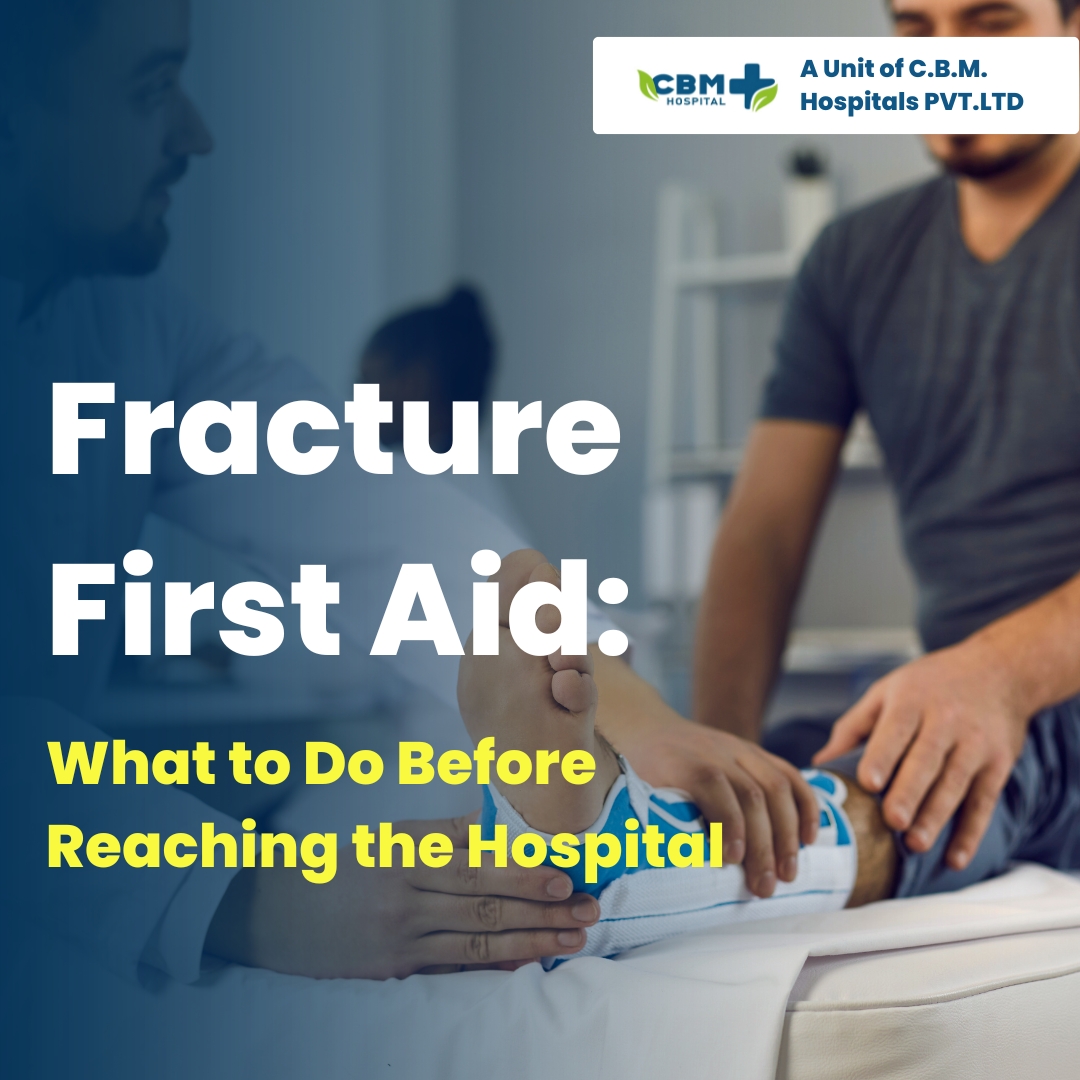
Fracture First Aid: What to Do Before Reaching the Hospital-

A fracture, or broken bone, can happen because of a fall, road accident, sports injury, or a direct blow. Knowing what to do immediately after a suspected fracture can help prevent further injury and reduce pain while waiting for medical care. The most important rule is simple: keep the injured area still and get medical attention as soon as possible. How Do You Know If It May Be a Fracture? A broken bone may cause: Severe pain Swelling and bruising Difficulty moving the injured limb Inability to put weight on the limb An unusual shape or deformity Tenderness around the injury A grinding or snapping sensation Numbness or tingling Sometimes a fracture is not obvious, so an injury should be medically assessed when there is significant pain, swelling, or difficulty using the affected body part. What Should You Do Immediately? 1. Keep the Person Still Do not unnecessarily move the injured person, particularly if a serious accident may have caused injuries to the head, neck, back, or spine. If possible, keep the injured limb in the position in which you found it. 2. Immobilize the Injured Area Try to prevent unnecessary movement. A splint can sometimes be used to support the injured limb, but it should be applied carefully and without trying to straighten the bone. If you are unsure how to splint the injury, it is safer to keep the area supported and seek professional medical help. 3. Do Not Try to Straighten the Bone Never attempt to push a visibly displaced bone back into position. Trying to straighten a fracture can damage nearby nerves, blood vessels, muscles, and other tissues. 4. Control External Bleeding If the fracture is open and there is bleeding, cover the wound with a clean dressing or cloth and apply gentle pressure around the wound to control bleeding. Do not push directly on exposed bone. An open fracture requires urgent medical attention because of the increased risk of infection and tissue damage. 5. Apply a Cold Pack A cold pack wrapped in a cloth can be applied around the injured area to help reduce swelling and pain. Avoid placing ice directly against the skin, and do not apply it for prolonged periods. 6. Check Circulation Look for signs that blood flow may be compromised, such as: Pale or bluish skin A cold limb Increasing numbness Tingling Weak or absent pulse when appropriately assessed These can indicate a serious injury and require urgent medical attention. What Should You NOT Do? Avoid these common mistakes: Don’t try to straighten the bone. Don’t massage the injured area. Don’t force the person to walk on an injured limb. Don’t push an exposed bone back under the skin. Don’t apply ice directly to the skin. Don’t give food or drink if emergency surgery may be required, unless medical professionals advise otherwise. When Is a Fracture an Emergency? Seek emergency medical care immediately if there is: A visibly deformed limb An open fracture or exposed bone Heavy or uncontrolled bleeding Loss of sensation A cold, pale, or blue limb Severe swelling or pain Suspected injury to the head, neck, or spine Difficulty breathing or loss of consciousness after major trauma A serious accident can involve internal injuries even when the fracture itself appears minor. What Happens at the Hospital? Once you reach the hospital, a doctor will examine the injury and assess circulation, sensation, and movement. Imaging—usually an X-ray—may be performed to determine whether a bone is broken and whether it has moved out of its normal position. More complex injuries may require CT or MRI imaging. Treatment depends on the type and location of the fracture and may include: Splinting or casting Reduction to realign the bone Internal fixation with plates, screws, or rods Surgery for certain complex fractures Physiotherapy and rehabilitation Fracture Care at Brij Lal Hospital At Brij Lal Hospital, patients with suspected fractures and orthopedic injuries can receive timely assessment, diagnostic imaging, orthopedic consultation, and appropriate treatment. The orthopedic team can evaluate the severity of the injury and determine whether conservative treatment or surgery is required. For patients searching for the Best Multispeciality Hospital in Haldwani- Uttarakhand, access to emergency evaluation, diagnostic facilities, and orthopedic expertise is important when dealing with fractures and traumatic injuries. Patients looking for the best hospital in Haldwani Uttarakhand can seek comprehensive orthopedic care, from initial diagnosis through treatment and rehabilitation. Frequently Asked Questions Should you move someone with a suspected fracture? Avoid unnecessary movement of the injured area. After a major accident, do not move the person unless necessary for immediate safety, particularly if a spinal injury is possible. Should you put ice on a fracture? A cold pack wrapped in cloth can help reduce pain and swelling. Never place ice directly on the skin. Can you walk on a fractured foot? Do not put weight on an injured foot unless a healthcare professional has determined that it is safe. Some fractures may allow limited weight-bearing, while others require complete immobilization. Does every fracture require surgery? No. Many fractures can be treated with immobilization, such as a cast or splint. Surgery is considered when the fracture is unstable, significantly displaced, open, or otherwise requires surgical fixation. Conclusion Knowing basic fracture first aid can help protect the injured area until professional care is available. Keep the injury still, control bleeding if present, use a wrapped cold pack for swelling, and never attempt to straighten or reposition a broken bone. Most importantly, seek medical evaluation promptly after a suspected fracture. Proper diagnosis and timely treatment can reduce complications and help the bone heal correctly.  

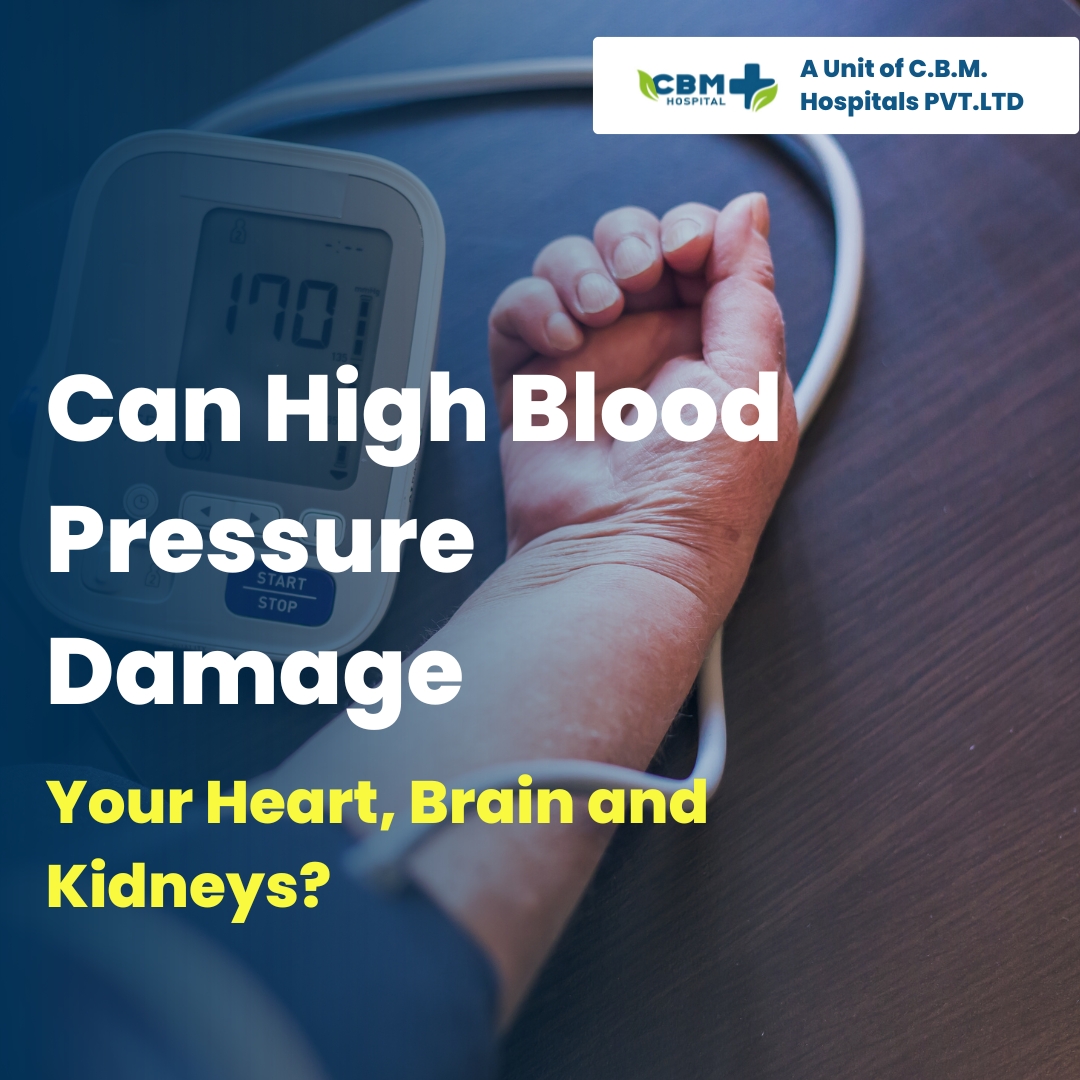
Can High Blood Pressure Damage Your Heart, Brain and Kidneys?-

Can High Blood Pressure Damage Your Heart, Brain and Kidneys? Yes. High blood pressure, or hypertension, can gradually damage the heart, brain, kidneys, and blood vessels if it remains uncontrolled. The concerning part is that hypertension often causes no obvious symptoms, so a person may feel perfectly well while damage is developing silently. The good news is that controlling blood pressure can significantly reduce the risk of serious complications. How Does High Blood Pressure Damage the Body? Blood pressure is the force of blood pushing against the walls of your arteries. When this pressure remains too high for a long time, it puts continuous strain on blood vessels and organs. Over time, this can cause arteries to become damaged or stiff and can make the heart work harder than it should. High Blood Pressure and the Heart Uncontrolled hypertension can make the heart work harder to pump blood. Over time, this extra workload may cause the heart muscle—particularly the left ventricle—to become thicker. High blood pressure can increase the risk of: Coronary artery disease Heart attack Heart failure Enlargement or weakening of the heart Abnormal heart rhythms It can also contribute to damage of the arteries that supply blood to the heart. Can High Blood Pressure Damage the Brain? Yes. The brain is highly dependent on a healthy blood supply, and prolonged high blood pressure can damage the blood vessels supplying it. Hypertension increases the risk of: Stroke Transient ischemic attack (TIA) Small-vessel brain disease Cognitive impairment Vascular dementia A sudden blockage or rupture of a blood vessel can cause a stroke, which is a medical emergency. Warning signs such as sudden facial drooping, weakness or numbness on one side, difficulty speaking, sudden vision problems, or severe loss of balance require immediate medical attention. How Does High Blood Pressure Affect the Kidneys? The kidneys contain millions of tiny blood vessels that filter waste and excess fluid from the blood. High blood pressure can damage these delicate vessels and reduce kidney function over time. Hypertension can contribute to: Chronic kidney disease Protein in the urine Progressive loss of kidney function Kidney failure in severe or advanced cases There is also a two-way relationship: kidney disease can cause or worsen high blood pressure, while high blood pressure can further damage the kidneys. Why Is High Blood Pressure Called a “Silent” Condition? Many people with hypertension have no noticeable symptoms. Headaches, dizziness, or fatigue can occur for many reasons and should not be relied upon to identify high blood pressure. The only reliable way to know your blood pressure is to measure it. Regular blood pressure checks are particularly important if you have risk factors such as: Family history of hypertension Overweight or obesity Diabetes Kidney disease High-salt diet Physical inactivity Excessive alcohol consumption Tobacco use How Can You Protect Your Heart, Brain and Kidneys? The most important step is keeping blood pressure under control. Helpful lifestyle measures include: Reduce excessive salt intake. Eat a balanced diet rich in vegetables, fruits, whole grains, and other nutritious foods. Exercise regularly. Maintain a healthy weight. Avoid smoking and tobacco. Limit alcohol. Get adequate sleep. Manage stress. Take prescribed blood-pressure medicines consistently. If medication has been prescribed, do not stop it simply because your blood pressure has improved. Treatment decisions should be made with your doctor. How Is High Blood Pressure Monitored? Your doctor may recommend regular blood pressure measurements at home or in a healthcare setting. In some cases, ambulatory blood pressure monitoring may be used to measure blood pressure over an extended period. Depending on your health and risk factors, your doctor may also check: Blood sugar Cholesterol Kidney function Urine protein Heart health These assessments help identify early organ damage and other cardiovascular risk factors. When Should You Seek Medical Help? If your blood pressure is repeatedly above your recommended range, arrange a medical evaluation rather than waiting for symptoms. Very high blood pressure accompanied by chest pain, severe shortness of breath, confusion, weakness or numbness, difficulty speaking, vision changes, or other sudden neurological symptoms requires urgent medical attention. Hypertension Care at Brij Lal Hospital At Brij Lal Hospital, patients can receive comprehensive evaluation and management of hypertension and related cardiovascular risk factors. Our multidisciplinary medical team can assess blood pressure, identify associated conditions, and develop an individualized treatment plan. For people looking for the Best Multispeciality Hospital in Haldwani- Uttarakhand, comprehensive assessment is important because uncontrolled hypertension can affect multiple organs, including the heart, brain, and kidneys. Patients searching for the best hospital in Haldwani Uttarakhand can seek specialist consultations, diagnostic evaluation, preventive healthcare, and long-term management of hypertension and cardiovascular conditions. Frequently Asked Questions Can high blood pressure be reversed? Blood pressure can often be significantly improved through lifestyle changes and, when needed, medication. Whether treatment can eventually be reduced or stopped depends on the individual and should only be decided by a doctor. Can high blood pressure cause kidney failure? Long-term uncontrolled hypertension can damage the kidneys and contribute to chronic kidney disease. In advanced cases, severe kidney damage can lead to kidney failure. Can high blood pressure cause a heart attack? Yes. Hypertension is an important risk factor for coronary artery disease and heart attack. Does high blood pressure always have symptoms? No. Hypertension frequently has no symptoms, which is why regular blood pressure measurement is important. Conclusion High blood pressure is more than just a number on a blood-pressure monitor. When left uncontrolled for years, it can damage blood vessels and increase the risk of heart disease, stroke, cognitive problems, kidney disease, and other serious complications. Because hypertension can remain silent, regular monitoring and early treatment are essential. A healthy lifestyle, appropriate medication, and routine medical follow-up can help protect your heart, brain, kidneys, and overall health.  

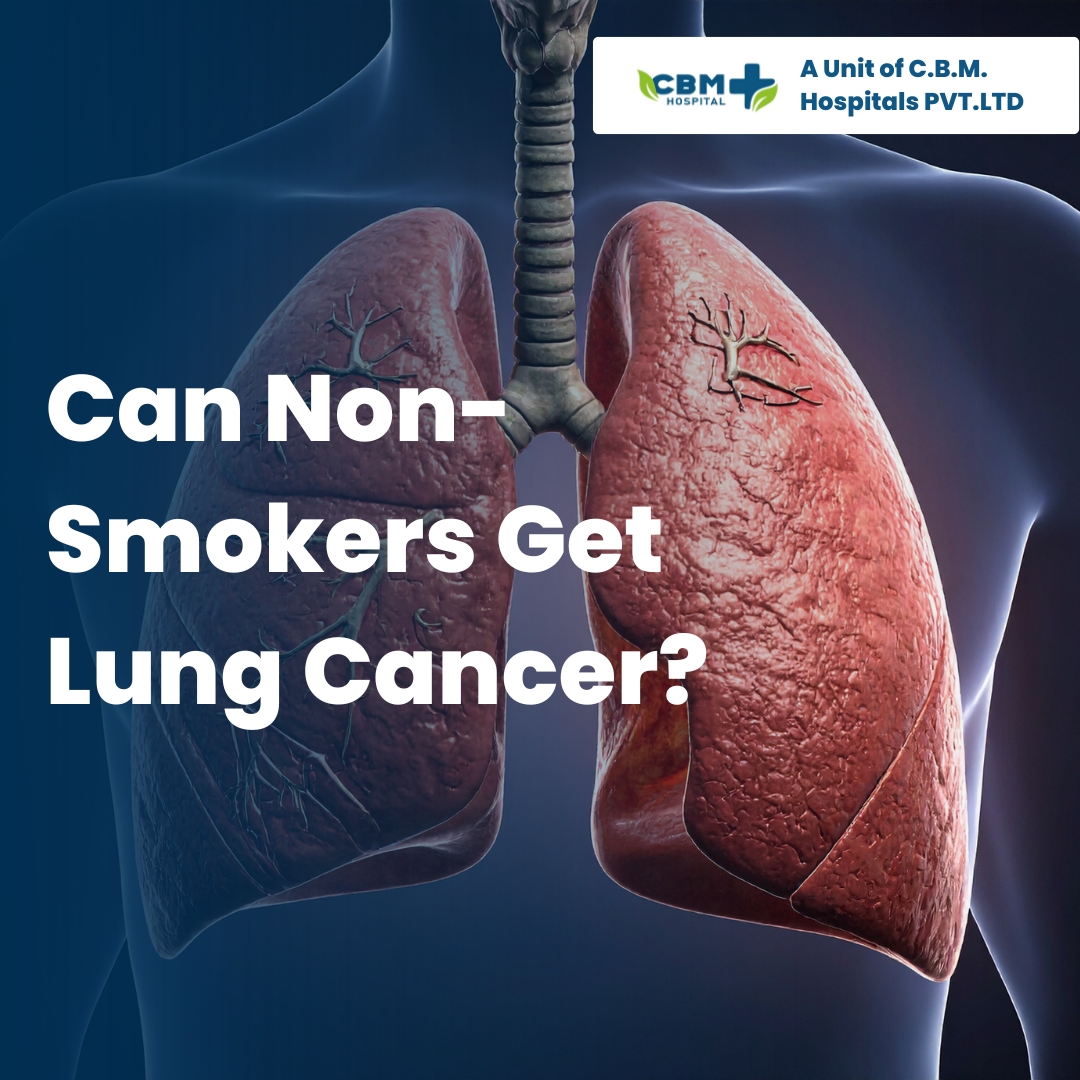
Can Non-Smokers Get Lung Cancer?-

Yes. Non-smokers can develop lung cancer, although smoking remains the leading risk factor. A person who has never smoked can still develop lung cancer because of exposure to secondhand smoke, radon, air pollution, workplace hazards, genetic changes, or other factors. This is why lung cancer should not automatically be ruled out simply because someone has never smoked. How Common Is Lung Cancer in Non-Smokers? Lung cancer in people who have never smoked is a recognized medical condition. In fact, lung cancer among never-smokers can have different biological characteristics from smoking-related lung cancer. Some non-smokers develop specific genetic changes in their cancer cells that can help doctors determine which treatments may work best. What Causes Lung Cancer in Non-Smokers? There is usually no single identifiable cause. Several factors may contribute. 1. Secondhand Smoke Regular exposure to cigarette smoke from other people can increase lung cancer risk, even if you never smoke yourself. Reducing exposure to tobacco smoke is therefore important for both smokers and non-smokers. 2. Air Pollution Long-term exposure to outdoor air pollution has been associated with an increased risk of lung cancer. Fine particulate matter can penetrate deep into the lungs and contribute to chronic respiratory damage. 3. Radon Exposure Radon is a naturally occurring radioactive gas that can accumulate indoors. Long-term exposure to high levels of radon can increase lung cancer risk. 4. Workplace Exposure Some occupations may involve exposure to substances associated with lung cancer, including: Asbestos Silica Certain industrial chemicals Diesel exhaust Other occupational carcinogens Appropriate workplace safety measures and protective equipment can help reduce exposure. 5. Genetic Factors Some lung cancers are driven by specific genetic mutations or alterations in cancer cells. These changes can occur in people who have never smoked. This is one reason molecular testing can be important after a lung cancer diagnosis. What Are the Warning Signs of Lung Cancer? Lung cancer may not cause obvious symptoms in its early stages. When symptoms occur, they can include: A persistent or worsening cough Coughing up blood Chest pain Shortness of breath Repeated respiratory infections Unexplained weight loss Persistent fatigue Hoarseness Loss of appetite These symptoms do not necessarily mean lung cancer. Many common respiratory conditions can cause similar symptoms. However, persistent or unexplained symptoms should be evaluated by a doctor. Can Non-Smokers Reduce Their Risk? Although not every case of lung cancer can be prevented, you can reduce avoidable risks by: Avoiding tobacco smoke and secondhand smoke Following workplace safety precautions Testing for radon where appropriate Reducing exposure to significant air pollution when possible Maintaining a healthy lifestyle Discussing unusual or persistent respiratory symptoms with a doctor Should Non-Smokers Get Lung Cancer Screening? Routine low-dose CT screening is generally recommended for people at high risk because of their smoking history and age, rather than for every non-smoker. If you have never smoked but have significant risk factors—such as substantial occupational exposure or a strong family history—talk to your doctor about whether any specific evaluation is appropriate. How Is Lung Cancer Diagnosed? If lung cancer is suspected, doctors may use: Chest X-ray CT scan PET-CT in selected cases Bronchoscopy Biopsy Molecular or genetic testing A biopsy is generally needed to confirm the diagnosis. Molecular testing can also help identify genetic alterations that may guide targeted treatment. Treatment for Lung Cancer Treatment depends on the type and stage of lung cancer and the characteristics of the tumor. Depending on the individual case, treatment may include: Surgery Radiation therapy Chemotherapy Targeted therapy Immunotherapy A combination of treatments Advances in targeted therapy and immunotherapy have expanded treatment options, particularly for patients whose tumors contain specific molecular changes. Lung Cancer Care at Brij Lal Hospital At Brij Lal Hospital, patients can receive comprehensive evaluation for persistent respiratory symptoms and suspected lung cancer. Our multidisciplinary approach brings together experienced specialists and diagnostic services to support accurate diagnosis and individualized treatment planning. For patients looking for the Best Multispeciality Hospital in Haldwani- Uttarakhand, access to specialist consultations, imaging, pathology, and multidisciplinary cancer care can be important when evaluating complex conditions. Patients searching for the best hospital in Haldwani Uttarakhand can seek comprehensive respiratory and oncology care under experienced medical professionals. Frequently Asked Questions Can a healthy person who never smoked get lung cancer? Yes. Never-smokers can develop lung cancer, although their risk is generally much lower than that of people who smoke. Can secondhand smoke cause lung cancer? Yes. Long-term exposure to secondhand tobacco smoke increases lung cancer risk. Is lung cancer always caused by smoking? No. Smoking is the biggest preventable risk factor, but lung cancer can also occur in people who have never smoked. Should I worry about a persistent cough if I don’t smoke? A persistent cough has many possible causes and does not automatically indicate cancer. However, a cough that does not improve, especially when accompanied by coughing up blood, unexplained weight loss, chest pain, or breathlessness, should be evaluated by a healthcare professional. Conclusion Lung cancer can affect non-smokers as well as smokers. Secondhand smoke, air pollution, radon, occupational exposures, genetic changes, and other factors can contribute to risk. Being a non-smoker does not mean you should ignore persistent respiratory symptoms. If you develop a cough that doesn’t go away, unexplained weight loss, chest pain, breathing difficulties, or coughing up blood, seek medical evaluation. Early diagnosis can make an important difference in lung cancer treatment and outcomes.  

Can Regular Exercise Help Prevent Cancer?

Cancer prevention is not about one magic solution. Instead, it involves a combination of healthy lifestyle choices, regular medical check-ups, recommended screenings, and reducing known risk factors. One important habit that can make a difference is regular physical activity. So, can exercise actually help prevent cancer? Yes. Research shows that regular physical activity is associated with a lower risk of several types of cancer. While exercise cannot guarantee that someone will never develop cancer, staying active can be an important part of a healthy, cancer-conscious lifestyle. How Does Exercise Help Reduce Cancer Risk? Physical activity affects the body in several ways that may help lower cancer risk. 1. Helps Maintain a Healthy Weight Excess body weight is associated with an increased risk of several cancers. Regular exercise helps burn calories, maintain muscle mass, and support a healthy body weight. Maintaining a healthy weight is particularly important because obesity can influence hormones, inflammation, and metabolic processes that may contribute to cancer development. 2. Reduces Chronic Inflammation Long-term inflammation can contribute to cellular damage and other changes associated with cancer development. Regular physical activity can help improve overall metabolic health and may reduce chronic inflammation. 3. Supports Healthy Hormone Levels Exercise can influence hormones such as insulin and estrogen. Keeping these hormones within healthy ranges may help reduce the risk of certain cancers, particularly cancers influenced by hormonal factors. 4. Supports Immune Function Regular moderate physical activity supports normal immune-system function. A healthy immune system plays an important role in identifying and responding to abnormal cells and infections. 5. Promotes Better Digestive Health Physical activity can improve bowel movement and overall digestive health. Regular exercise is associated with a reduced risk of colorectal cancer. Which Cancers May Be Linked to Physical Activity? The strongest evidence currently links regular physical activity with a lower risk of several cancers, particularly: Colon cancer Breast cancer Endometrial cancer Research also suggests possible benefits for other cancers, although the strength of evidence varies. How Much Exercise Should You Do? You don’t need to become a professional athlete to benefit from physical activity. For most adults, health guidelines recommend aiming for around 150 to 300 minutes of moderate-intensity exercise per week, or 75 to 150 minutes of vigorous activity. You can choose activities you enjoy, such as: Brisk walking Cycling Swimming Jogging Dancing Playing sports Aerobic exercises Adding strength-training exercises at least twice a week can also support muscle and bone health. If you’re currently inactive, start slowly. Even increasing your daily movement can be beneficial. Can Exercise Help People Who Already Have Cancer? Exercise isn’t only important for prevention. For many people living with cancer, appropriate physical activity can also support overall well-being during and after treatment. Depending on the individual’s condition, exercise may help with: Cancer-related fatigue Muscle strength Physical fitness Mood Sleep Quality of life However, people undergoing chemotherapy, radiation therapy, surgery, or other cancer treatments should discuss their exercise plans with their healthcare team. The right level of activity depends on the type of cancer, treatment, symptoms, and general health. Exercise Alone Cannot Prevent Cancer It’s important to remember that exercise is one part of cancer prevention—not a guarantee against cancer. Other important steps include: Avoiding tobacco in all forms Limiting alcohol consumption Maintaining a healthy weight Eating a balanced diet Protecting your skin from excessive UV exposure Getting recommended cancer screenings Receiving appropriate vaccinations, such as HPV vaccination Managing chronic health conditions Knowing your personal and family medical history These habits work together to reduce preventable cancer risks. What If You Don’t Have Time for a Workout? You don’t necessarily need a gym membership or a long workout session. Try incorporating more movement into your daily routine: Take a brisk walk after meals. Use stairs instead of elevators when practical. Walk short distances instead of driving. Take brief movement breaks during long periods of sitting. Do household activities that keep you moving. Spend some of your leisure time outdoors being physically active. The goal is to make physical activity a regular part of your lifestyle. When Should You Talk to a Doctor Before Exercising? Most healthy adults can gradually increase their physical activity. However, speak with a healthcare professional before starting a new exercise program if you have a significant heart or lung condition, recently underwent surgery, are receiving cancer treatment, or have symptoms that limit physical activity. A personalized exercise plan may be safer and more effective in these situations. Cancer Prevention and Care at Brij Lal Hospital At Brij Lal Hospital, our multidisciplinary healthcare team provides preventive health consultations, cancer screening, diagnostic services, and comprehensive cancer care. Regular health assessments can help identify risk factors and detect certain cancers at an earlier stage. For those looking for the Best Multispeciality Hospital in Haldwani- Uttarakhand, access to experienced specialists and appropriate screening and diagnostic facilities can support a comprehensive approach to cancer prevention and treatment. Patients searching for the best hospital in Haldwani Uttarakhand can seek preventive healthcare, cancer screening, specialist consultations, and personalized treatment planning. Frequently Asked Questions Can walking help reduce cancer risk? Yes. Walking is a form of physical activity and can contribute to the health benefits associated with an active lifestyle. Brisk walking is an easy way to work toward recommended weekly activity levels. Does exercise completely prevent cancer? No. Exercise can reduce the risk of certain cancers, but it cannot completely eliminate cancer risk. Age, genetics, infections, environmental exposures, and other factors also play a role. Is exercise safe during cancer treatment? Many people can remain physically active during cancer treatment, but the appropriate level of activity varies. Patients should follow recommendations from their oncologist or healthcare team. Is 30 minutes of exercise every day beneficial? Yes. Thirty minutes of moderate activity on most days can help you reach the commonly recommended weekly target of 150 minutes. Conclusion Regular exercise can be an important part of cancer prevention. Staying physically active helps maintain a healthy weight, supports metabolic and immune health, and is associated with a … Read more

Understanding Chemotherapy: What to Expect

A diagnosis of cancer can bring many questions, especially when chemotherapy becomes part of the treatment plan. Chemotherapy uses medicines to destroy cancer cells or slow their growth. It may be used alone or alongside surgery, radiation therapy, targeted therapy, or immunotherapy. Knowing what chemotherapy involves, what side effects may occur, and how treatment is monitored can help patients and families feel more prepared. What Is Chemotherapy? Chemotherapy is a cancer treatment that uses medicines designed to kill cancer cells or prevent them from multiplying. Depending on the type and stage of cancer, chemotherapy may be used to: Destroy cancer cells Shrink a tumor before surgery or radiation Reduce the risk of cancer returning after surgery Control cancer that has spread Relieve symptoms caused by advanced cancer The medicines used and the treatment schedule vary depending on the individual cancer. How Is Chemotherapy Given? Chemotherapy can be administered in different ways, including: Intravenously (IV): Through a vein, sometimes using a port or catheter Orally: As tablets or capsules Injection: Into a muscle or under the skin in selected situations Topically: For certain cancers affecting the skin Other routes: Depending on the specific cancer and medication Your oncologist will explain which approach is appropriate for your treatment. What Happens During a Chemotherapy Session? Before treatment, your healthcare team may check your: Blood counts Kidney and liver function Weight and vital signs Overall health and symptoms You may receive medicines before chemotherapy to help prevent nausea, allergic reactions, or other side effects. The chemotherapy itself may take anywhere from minutes to several hours, depending on the medicines being administered. Some patients can go home after treatment, while others may require hospitalization depending on their condition and treatment plan. What Are Chemotherapy Cycles? Chemotherapy is commonly given in cycles. A treatment period is followed by a recovery period, allowing healthy cells and the body to recover. For example, a patient may receive treatment on a particular day and then have several days or weeks before the next cycle. The number of cycles depends on the type of cancer, treatment goal, response to therapy, and overall health. Common Side Effects of Chemotherapy Chemotherapy affects rapidly dividing cells, which means some healthy cells can also be affected. Possible side effects include: Fatigue Nausea or vomiting Loss of appetite Hair loss Mouth sores Changes in taste Constipation or diarrhea Lowered blood-cell counts Increased risk of infection Skin or nail changes Not everyone experiences the same side effects. Some patients have only mild symptoms, while others may experience more significant effects. Does Chemotherapy Always Cause Hair Loss? No. Hair loss depends on the specific chemotherapy medicines and doses being used. Some treatments cause complete hair loss, while others may cause only mild thinning or no significant hair loss. Your oncology team can explain what to expect with your particular treatment. How Can Chemotherapy Side Effects Be Managed? Your medical team can prescribe medicines and recommend supportive measures to manage many side effects. Helpful strategies may include: Eating small, frequent meals Drinking adequate fluids as advised Getting enough rest Staying physically active when your doctor says it is safe Maintaining good oral hygiene Avoiding people who are sick when your immune system is weakened Following your prescribed medications carefully Never start supplements, herbal remedies, or alternative treatments without discussing them with your oncologist because some can interfere with cancer medicines. When Should You Contact Your Doctor? During chemotherapy, contact your cancer-care team promptly if you develop symptoms such as: Fever or chills Difficulty breathing Persistent vomiting or diarrhea Severe weakness Unusual bleeding or bruising Signs of infection Severe pain Confusion or significant changes in your condition Your oncology team should provide specific instructions about when to seek urgent care because risks vary depending on your treatment. Can You Continue Normal Activities During Chemotherapy? Many patients continue some normal activities during treatment, although energy levels may fluctuate. Depending on your health and treatment plan, you may be able to: Work with adjustments Take short walks Continue light exercise Spend time with family Maintain hobbies Listen to your body and discuss activity levels with your healthcare team. Nutrition During Chemotherapy Good nutrition can help support strength and recovery. Try to include appropriate amounts of: Protein Fruits and vegetables, when safe Whole grains Healthy fats Adequate fluids If eating becomes difficult because of nausea, mouth sores, or changes in taste, a doctor or oncology dietitian can provide individualized advice. Emotional Health During Chemotherapy Cancer treatment can affect emotional well-being as well as physical health. Patients may experience anxiety, sadness, frustration, or fear about the future. Support from family, friends, counselors, support groups, psychologists, or other professionals can be valuable. Tell your healthcare team if emotional symptoms are interfering with sleep, appetite, relationships, or daily activities. Chemotherapy at Brij Lal Hospital At Brij Lal Hospital, cancer patients can receive coordinated oncology care that includes evaluation, treatment planning, chemotherapy, monitoring, and supportive care. Our multidisciplinary approach allows specialists to consider the patient’s cancer type, treatment goals, overall health, and individual needs. For patients looking for the Best Multispeciality Hospital in Haldwani- Uttarakhand, experienced oncology specialists and appropriate diagnostic and supportive services are important when undergoing cancer treatment. Patients searching for the best hospital in Haldwani Uttarakhand can seek comprehensive cancer care and personalized treatment guidance. Frequently Asked Questions Is chemotherapy painful? The chemotherapy medicine itself does not always cause pain. If it is given through an IV, you may feel a needle prick or some discomfort. Tell the healthcare team immediately if you experience burning, significant pain, or swelling during an infusion. How long does chemotherapy take? Treatment duration varies. Some sessions may take less than an hour, while others can take several hours. The overall course may last weeks or months depending on the cancer and treatment plan. Can chemotherapy cure cancer? Chemotherapy can cure some cancers, while in other cases it is used to control the disease, reduce recurrence risk, or relieve symptoms. Its purpose depends on the individual cancer. … Read more

Can Too Much Sun Exposure Cause Skin Cancer?

Yes. Too much exposure to ultraviolet (UV) radiation from the sun can increase the risk of skin cancer. UV radiation can damage the DNA in skin cells. Over time, repeated or intense exposure can cause abnormal cells to grow uncontrollably and potentially develop into skin cancer. The good news is that many sun-related risk factors can be reduced through simple sun-protection habits and regular skin checks. How Does Sun Exposure Cause Skin Cancer? Sunlight contains two types of UV radiation that are particularly important for skin health: UVA: Can contribute to premature skin aging and DNA damage. UVB: Causes sunburn and directly damages skin-cell DNA. Repeated UV exposure can cause cumulative cellular damage. Severe sunburns, particularly during childhood and adolescence, can also contribute to a person’s lifetime skin cancer risk. Types of Skin Cancer The three major types of skin cancer are: 1. Basal Cell Carcinoma Basal cell carcinoma is the most common type of skin cancer. It often develops on areas that receive significant sun exposure, such as the face, ears, neck, and hands. It may appear as a pearly bump, a persistent sore, or a lesion that repeatedly bleeds or heals and returns. 2. Squamous Cell Carcinoma Squamous cell carcinoma can also develop on sun-exposed skin. It may appear as a rough, scaly patch, a firm growth, or a sore that does not heal. 3. Melanoma Melanoma develops from pigment-producing cells called melanocytes. It is less common than basal or squamous cell carcinoma but can be more aggressive and spread to other parts of the body. Who Is at Higher Risk? The risk of skin cancer can be higher in people who have: Frequent or prolonged sun exposure A history of repeated sunburns Fair skin that burns easily Numerous or unusual moles A personal or family history of skin cancer A weakened immune system Regular exposure to tanning beds However, people of all skin tones can develop skin cancer, so sun protection and awareness remain important for everyone. Warning Signs of Skin Cancer See a doctor if you notice a new or changing skin lesion, particularly one that: Changes in size, shape, or color Has an irregular border Contains multiple colors Continues to grow Bleeds or develops a crust Itches or hurts persistently Does not heal For melanoma, the ABCDE rule can be useful: A – Asymmetry: One half does not match the other. B – Border: Edges are irregular or poorly defined. C – Color: Uneven or multiple colors. D – Diameter: Larger than about 6 mm can be concerning, although melanomas may be smaller. E – Evolving: Any mole or spot that changes over time. How Can You Protect Your Skin? You can reduce UV exposure by: Avoiding prolonged direct sunlight, particularly around midday. Wearing long-sleeved clothing and a wide-brimmed hat. Using broad-spectrum sunscreen with an appropriate SPF. Reapplying sunscreen as directed, especially after swimming or sweating. Wearing UV-protective sunglasses. Avoiding tanning beds. Protecting children from excessive sun exposure and sunburn. Remember, sunscreen should be used along with, rather than instead of, shade and protective clothing. When Should You See a Dermatologist? Make an appointment if you notice a new, changing, bleeding, or non-healing skin lesion. A dermatologist can examine the area and, when necessary, perform a biopsy to determine whether it is cancerous. Early detection is particularly important because many skin cancers can be treated successfully when diagnosed early. Skin Cancer Care at Brij Lal Hospital At Brij Lal Hospital, patients can receive specialist evaluation for suspicious skin lesions and other dermatological concerns. Appropriate examination and diagnostic testing can help identify skin cancers at an early stage and guide further treatment. For people looking for the Best Multispeciality Hospital in Haldwani- Uttarakhand, access to experienced specialists and comprehensive diagnostic services can support timely evaluation of concerning skin changes. Patients searching for the best hospital in Haldwani Uttarakhand can seek coordinated medical care and specialist guidance. Frequently Asked Questions Can one sunburn cause skin cancer? A single sunburn does not mean that you will develop skin cancer. However, sunburn—particularly repeated or severe sunburns—can damage skin DNA and increase lifetime skin cancer risk. Does sunscreen completely prevent skin cancer? No. Sunscreen helps reduce UV exposure but does not provide complete protection. Seeking shade, wearing protective clothing, and avoiding excessive sun exposure are also important. Can dark-skinned people get skin cancer? Yes. Melanin provides some natural protection against UV radiation, but it does not eliminate the risk. Skin cancer can occur in people of all skin tones. Is every unusual mole cancerous? No. Many moles and skin growths are harmless. However, a new or changing lesion should be evaluated by a healthcare professional. Conclusion Excessive and repeated sun exposure is an important risk factor for skin cancer. Protecting your skin from UV radiation, avoiding tanning beds, monitoring existing moles, and getting suspicious skin changes checked early can help reduce risk and improve the chances of successful treatment. If you notice a skin spot that is changing, bleeding, growing, or failing to heal, don’t ignore it—consult a qualified dermatologist or healthcare professional.  

Blood Cancer: What Is Blood Cancer? Types, Symptoms & Treatment-

Blood cancer is a group of cancers that affect the blood cells, bone marrow, or lymphatic system. These cancers can interfere with the body’s ability to produce healthy blood cells, fight infections, and control bleeding. Although a diagnosis of blood cancer can be frightening, advances in cancer diagnosis, chemotherapy, targeted therapy, immunotherapy, and stem cell transplantation have improved treatment options for many patients. Understanding the different types, symptoms, risk factors, diagnosis, and treatment options can help patients seek medical attention at the right time. What Is Blood Cancer? Blood cancer occurs when abnormal blood-forming or immune cells grow uncontrollably and interfere with normal blood-cell production and function. Unlike many solid tumors, some blood cancers primarily affect the bone marrow, blood, or lymphatic tissues rather than forming a single solid mass. The three major types of blood cancer are: Leukemia Lymphoma Myeloma Each type behaves differently and requires a specialized approach to diagnosis and treatment. Types of Blood Cancer 1. Leukemia Leukemia affects blood-forming tissues, particularly the bone marrow, causing abnormal white blood cells to multiply uncontrollably. Major types include: Acute lymphoblastic leukemia (ALL) Acute myeloid leukemia (AML) Chronic lymphocytic leukemia (CLL) Chronic myeloid leukemia (CML) Acute leukemias generally progress rapidly and require prompt treatment, while chronic forms may develop more gradually. 2. Lymphoma Lymphoma begins in lymphocytes, a type of white blood cell involved in the immune system. The two main categories are: Hodgkin lymphoma Non-Hodgkin lymphoma Lymphoma commonly affects lymph nodes but can also involve other organs and tissues. 3. Multiple Myeloma Multiple myeloma develops in plasma cells, which are immune cells responsible for producing antibodies. Abnormal plasma cells can accumulate in the bone marrow and affect normal blood-cell production and bone health. Common Symptoms of Blood Cancer Symptoms vary depending on the type and stage of blood cancer. Common signs may include: Persistent fatigue or weakness Unexplained weight loss Recurrent infections Persistent fever or night sweats Easy bruising Frequent or unexplained bleeding Pale skin Swollen lymph nodes Bone or joint pain Shortness of breath Abdominal discomfort or fullness These symptoms can occur with many non-cancerous conditions, so having one or more symptoms does not mean that a person has blood cancer. What Causes Blood Cancer? In many cases, there is no single identifiable cause. Blood cancer develops through genetic changes that cause abnormal cells to grow or survive when they normally would not. Certain factors may increase risk, including: Increasing age for some blood cancers Previous chemotherapy or radiation exposure Certain inherited genetic conditions Exposure to particular chemicals Some viral infections A weakened immune system Family history of certain blood cancers Having a risk factor does not mean that cancer will definitely develop. How Is Blood Cancer Diagnosed? Diagnosis usually begins with a medical history, physical examination, and blood tests. Depending on the suspected cancer, investigations may include: Complete Blood Count (CBC) Peripheral blood smear Bone marrow aspiration or biopsy Lymph node biopsy Flow cytometry Cytogenetic and molecular testing CT, PET, or MRI scans Additional specialized tests These tests help determine the specific type of blood cancer and guide treatment decisions. Treatment for Blood Cancer Treatment depends on the type of blood cancer, its stage or risk category, genetic characteristics, and the patient’s overall health. Treatment may include: Chemotherapy Medicines are used to destroy cancer cells or stop them from multiplying. Targeted Therapy These medicines target specific molecules or pathways involved in cancer-cell growth. Immunotherapy Immunotherapy helps the immune system recognize and attack cancer cells. It is used for selected blood cancers. Radiation Therapy Radiation may be used in certain lymphomas and other situations to destroy cancer cells in specific areas. Stem Cell Transplantation A stem cell transplant may be recommended for selected patients, particularly with certain leukemias, lymphomas, or myeloma. Supportive Care Treatment may also include blood transfusions, antibiotics, medicines to control symptoms, and nutritional support when necessary. Can Blood Cancer Be Cured? Some blood cancers can be cured, while others can be controlled for many years with appropriate treatment. The outlook depends on: Type of blood cancer Stage or disease risk Genetic and molecular characteristics Response to treatment Age and overall health Early diagnosis and appropriate specialist care can significantly influence treatment outcomes. When Should You See a Doctor? Consult a healthcare professional if you have persistent or unexplained: Fatigue Fever Night sweats Weight loss Frequent infections Easy bruising or bleeding Swollen lymph nodes Bone pain These symptoms do not necessarily indicate cancer, but persistent or unexplained symptoms should be investigated. Blood Cancer Diagnosis and Treatment at Brij Lal Hospital At Brij Lal Hospital, patients can receive comprehensive evaluation and treatment for blood-related disorders through experienced physicians, oncologists, pathologists, and other specialists. Diagnostic services such as blood testing, imaging, pathology, and specialized investigations help support accurate diagnosis and treatment planning. For patients searching for the Best Multispeciality Hospital in Haldwani- Uttarakhand, access to experienced specialists and advanced diagnostic facilities is important when evaluating suspected blood cancer. Patients looking for the best hospital in Haldwani Uttarakhand can seek multidisciplinary care, personalized treatment planning, and ongoing follow-up for cancer and other complex medical conditions. Frequently Asked Questions Is blood cancer the same as leukemia? No. Leukemia is one type of blood cancer. Blood cancer is a broader term that also includes lymphoma and multiple myeloma. What is the first sign of blood cancer? There is no single first symptom. Fatigue, unexplained fever, recurrent infections, unusual bruising, swollen lymph nodes, and unexplained weight loss can occur, depending on the type. Can a CBC detect blood cancer? A CBC can identify abnormal blood-cell counts that may prompt further investigation, but a CBC alone usually cannot confirm blood cancer. Additional tests may be required. Is blood cancer treatable? Yes. Many blood cancers are treatable, and some can be cured. Treatment depends on the specific type and individual disease characteristics. Is blood cancer hereditary? Most blood cancers are not directly inherited. However, certain genetic conditions and family histories can increase the risk of some types. Conclusion Blood cancer includes several different … Read more