Cervical Cancer: Symptoms, Causes & Prevention-
Cervical cancer develops in the cells of the cervix, the lower part of the uterus that connects to the vagina. It is one of the most preventable forms of cancer because regular screening and HPV vaccination can significantly reduce the risk. Understanding the symptoms, causes, risk factors, screening methods, and prevention strategies can help women recognize potential warning signs and seek medical care early. What Is Cervical Cancer? Cervical cancer occurs when abnormal cells in the cervix begin to grow uncontrollably. Most cervical cancers are associated with persistent infection with certain high-risk types of human papillomavirus (HPV), a very common sexually transmitted infection. Cervical cancer often develops gradually. Precancerous cell changes may occur before cancer develops, which is why regular screening can be so effective at detecting abnormalities early. What Causes Cervical Cancer? The primary cause of cervical cancer is persistent infection with high-risk HPV types. Most HPV infections clear naturally through the immune system. However, when a high-risk HPV infection persists for years, it can cause abnormal changes in cervical cells. Some of these changes can eventually progress to cancer if they are not detected and treated. Other factors can increase the likelihood of cervical cancer developing. Risk Factors for Cervical Cancer Important risk factors include: Persistent high-risk HPV infection Smoking or tobacco use A weakened immune system Long-term use of certain hormonal contraceptives Multiple sexual partners or a partner with multiple sexual partners Early sexual activity Certain sexually transmitted infections Lack of regular cervical cancer screening Having a risk factor does not mean that a woman will develop cervical cancer. Symptoms of Cervical Cancer Early cervical cancer may cause no noticeable symptoms, which makes regular screening particularly important. As the disease progresses, possible symptoms include: Unusual vaginal bleeding Bleeding after sexual intercourse Bleeding between menstrual periods Heavier or longer menstrual periods Vaginal bleeding after menopause Unusual or foul-smelling vaginal discharge Pelvic pain Pain during sexual intercourse Lower back or abdominal pain in advanced cases Difficulty urinating or passing stools in advanced disease These symptoms can have many causes besides cancer, but persistent or unusual symptoms should be evaluated by a healthcare professional. Can Cervical Cancer Be Prevented? Yes. Cervical cancer is highly preventable through vaccination, screening, and treatment of precancerous changes. 1. HPV Vaccination The HPV vaccine protects against the HPV types responsible for most HPV-related cancers and can substantially reduce the risk of cervical cancer. Vaccination works best when given before exposure to HPV, but eligible individuals should discuss vaccination with a healthcare professional even if they are older. 2. Regular Cervical Cancer Screening Screening can detect HPV infection or abnormal cervical cells before cancer develops. Depending on age, medical history, and local guidelines, screening may involve: HPV testing Pap smear (Pap test) HPV and Pap co-testing in some settings Your gynecologist can recommend the appropriate screening method and interval for you. 3. Avoid Tobacco Smoking can increase the risk of cervical cancer and may make it harder for the body to clear HPV infection. Quitting smoking is an important step toward reducing cancer risk. 4. Practice Safer Sex Using condoms can reduce the risk of HPV transmission, although they cannot provide complete protection because HPV can infect areas not covered by a condom. 5. Treat Precancerous Changes Promptly Screening can identify abnormal cervical cells before they become cancerous. Appropriate follow-up and treatment can prevent many cervical cancers from developing. How Is Cervical Cancer Diagnosed? If screening results are abnormal or symptoms raise concern, your doctor may recommend further tests, such as: Pelvic examination Colposcopy Cervical biopsy Endocervical sampling Imaging tests when cancer is suspected or confirmed A biopsy is generally required to confirm cervical cancer. Treatment for Cervical Cancer Treatment depends on the stage of cancer, tumor characteristics, overall health, and individual circumstances. Treatment may include: Surgery Radiation therapy Chemotherapy Targeted therapy Immunotherapy in selected cases A combination of treatments When cervical cancer is detected early, treatment is generally more effective and may involve less extensive therapy. When Should You See a Gynecologist? Make an appointment if you experience: Unexplained vaginal bleeding Bleeding after intercourse Unusual vaginal discharge Pelvic pain Pain during intercourse Abnormal screening results Do not wait for symptoms to appear before getting recommended cervical cancer screening because early cervical cancer may not cause symptoms. Cervical Cancer Screening at Brij Lal Hospital At Brij Lal Hospital, women can access comprehensive gynecological care, including preventive health consultations, cervical cancer screening, diagnostic evaluation, and treatment planning. Our experienced gynecologists and multidisciplinary specialists focus on early detection and personalized care. For women looking for the Best Multispeciality Hospital in Haldwani- Uttarakhand, access to experienced gynecologists, diagnostic services, pathology, imaging, and multidisciplinary medical care can make screening and follow-up more convenient. Patients searching for the best hospital in Haldwani Uttarakhand can seek comprehensive women’s healthcare and cancer-related services under experienced medical specialists. Frequently Asked Questions Is cervical cancer curable? Cervical cancer can often be treated successfully, particularly when it is detected at an early stage. Treatment and prognosis depend on the stage and other individual factors. Can HPV cause cervical cancer? Yes. Persistent infection with certain high-risk HPV types is the main cause of cervical cancer. Does HPV always cause cancer? No. HPV infections are very common, and most clear naturally. Only persistent infection with certain high-risk types can lead to cellular changes that may eventually develop into cancer. Can cervical cancer be prevented? Yes. HPV vaccination, regular cervical cancer screening, avoiding tobacco, and appropriate follow-up of abnormal screening results can substantially reduce the risk. Does cervical cancer have symptoms in the early stages? Often, it does not. This is one reason regular screening is important even when you feel completely healthy. Conclusion Cervical cancer is a serious disease, but it is also one of the most preventable cancers. Persistent high-risk HPV infection is the main cause, while vaccination and regular screening provide powerful tools for prevention and early detection. Women should follow age- and risk-appropriate cervical cancer screening recommendations and consult a gynecologist if they experience … Read more

How Can Families Build Healthier Daily Habits?

How Can Families Build Healthier Daily Habits? – A healthy family lifestyle is built through small, consistent choices made every day. Healthy habits do not require major lifestyle changes overnight. Simple actions such as eating balanced meals, staying physically active, getting enough sleep, managing stress, and spending quality time together can improve the overall health and well-being of the entire family. When families adopt healthy habits together, it becomes easier for children and adults to maintain these habits over the long term. A supportive family environment can also help reduce the risk of lifestyle-related health problems and encourage better physical and mental well-being. Why Are Healthy Family Habits Important? Family members often influence one another’s lifestyle choices. Children frequently learn eating, activity, and sleep habits from their parents and other family members. Healthy daily habits may help families: Maintain a healthy weight Improve physical fitness Support heart health Reduce the risk of lifestyle-related diseases Improve sleep Manage stress Support mental well-being Build long-term healthy routines Developing healthy habits early can help create a strong foundation for lifelong health. 1. Eat More Balanced Meals Together A healthy diet is an important part of family well-being. Families should try to include a variety of nutritious foods in their daily meals. A balanced diet may include: Fresh fruits and vegetables Whole grains Pulses and legumes Healthy sources of protein Appropriate amounts of dairy or alternatives Adequate water Try to reduce excessive consumption of foods high in added sugar, salt, and unhealthy fats. Eating meals together can also help families develop healthier eating patterns and encourage mindful eating. 2. Make Physical Activity a Family Routine Regular physical activity is important for both children and adults. Families can make exercise more enjoyable by participating together. Some simple activities include: Walking Cycling Outdoor games Dancing Swimming Playing sports Family stretching sessions The type and amount of physical activity suitable for each person may vary based on age, fitness level, and health conditions. The goal is to make movement a regular part of everyday life. 3. Limit Excessive Screen Time Excessive screen time can contribute to a sedentary lifestyle and may affect sleep and daily routines. Families can create healthy technology habits by: Taking regular breaks from screens Avoiding screens during family meals Encouraging outdoor activities Keeping devices away during bedtime Creating age-appropriate screen-time routines for children The aim is not necessarily to eliminate technology but to maintain a healthy balance. 4. Prioritise Quality Sleep Adequate sleep is essential for physical and mental health. Poor sleep can affect mood, concentration, energy, and overall well-being. Families can improve sleep habits by: Maintaining regular sleep and wake times Following a relaxing bedtime routine Reducing screen use before bedtime Keeping the sleeping environment comfortable Avoiding excessive caffeine late in the day Sleep requirements vary depending on age and individual needs. 5. Stay Hydrated Drinking enough water is a simple but important daily habit. Water requirements may vary depending on age, physical activity, climate, and health conditions. Families can encourage better hydration by: Keeping water easily available Choosing water more often than sugary drinks Carrying reusable water bottles when appropriate Drinking more fluids during physical activity or hot weather People with specific medical conditions should follow their healthcare professional’s advice regarding fluid intake. 6. Teach Good Hygiene Habits Good personal hygiene can help reduce the spread of infections. Important habits include: Washing hands regularly Covering the mouth and nose when coughing or sneezing Keeping personal items clean Maintaining oral hygiene Following appropriate food safety practices Parents and caregivers can help children develop these habits by setting a good example. 7. Make Preventive Healthcare a Family Priority Preventive healthcare can help identify potential health problems before they become more serious. Families should discuss appropriate: Vaccinations Health checkups Dental checkups Eye examinations Age-appropriate screenings The need for specific tests and screenings depends on factors such as age, family history, lifestyle, and individual health risks. Regular preventive care is an important part of maintaining long-term health. 8. Support Mental and Emotional Well-Being A healthy family lifestyle includes mental and emotional health. Families can support emotional well-being by: Talking openly about feelings Listening without immediate judgement Spending quality time together Supporting one another during stressful periods Encouraging healthy coping strategies If a person experiences persistent emotional distress or mental health concerns, professional support may be appropriate. 9. Reduce Tobacco and Alcohol-Related Health Risks Avoiding tobacco products is one of the most important steps people can take to protect their health. Tobacco use increases the risk of several serious diseases. Adults should also follow responsible practices regarding alcohol, and individuals who do not drink should not feel pressured to start. Families can support healthier lifestyles by creating an environment that encourages healthy choices. 10. Create Healthy Habits Gradually Trying to change everything at once can make it difficult to maintain new routines. Instead, families can start with small goals such as: Adding one healthy meal each day Taking a short family walk Going to bed at a consistent time Drinking more water Reducing sugary snacks Spending less time on screens Small, consistent changes are often easier to maintain than sudden, major lifestyle changes. How Can Parents Encourage Healthy Habits in Children? Children often learn through observation. Parents and caregivers can encourage healthy habits by: Practising healthy behaviours themselves Involving children in meal planning Making physical activity enjoyable Avoiding negative comments about body weight Creating consistent routines Praising effort and healthy choices The focus should be on overall health and well-being rather than appearance alone. When Should Families Seek Medical Advice? Families should consult a healthcare professional when a family member experiences: Persistent or worsening symptoms Unexplained weight changes Ongoing fatigue Recurrent infections Difficulty breathing Persistent pain Changes in blood pressure or blood sugar Any concerning health symptoms Regular medical advice can help families make informed decisions about prevention and treatment. Building a Healthier Family in Haldwani Families looking for reliable healthcare support can benefit from access to experienced doctors, diagnostic services, and multiple medical specialties. … Read more

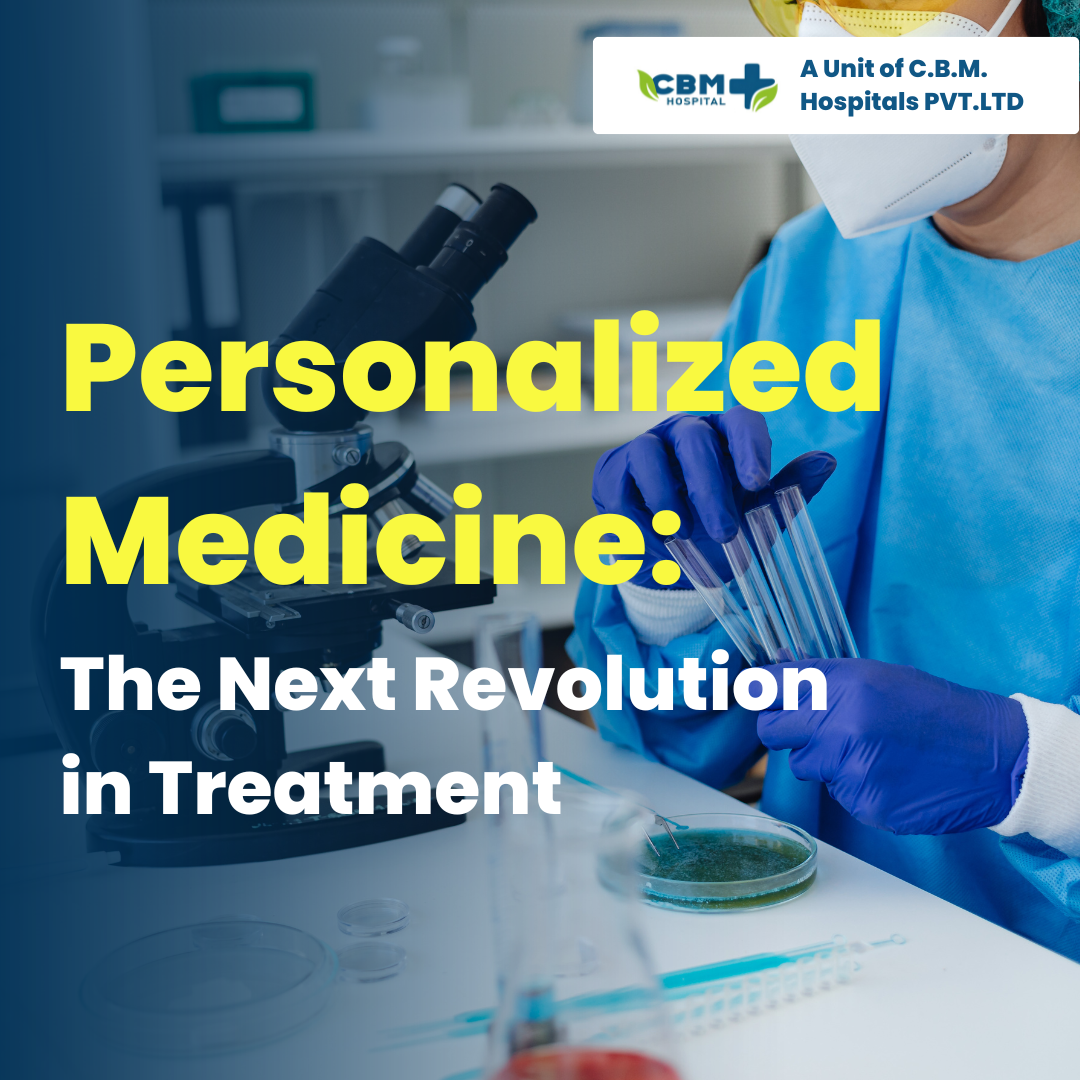
Personalized Medicine: The Next Revolution in Treatment

Personalized Medicine: The Next Revolution in Treatment- Healthcare is becoming increasingly personalised. Instead of using the same treatment approach for every patient with the same disease, modern medicine is moving towards understanding the unique characteristics of each individual. This approach is known as personalized medicine, also called precision medicine. It considers factors such as a person’s genetics, lifestyle, environment, medical history, and other health information to help doctors make more informed decisions about prevention, diagnosis, and treatment. As medical science and technology continue to advance, personalized medicine may become an important part of the future of healthcare. What Is Personalized Medicine? Personalized medicine is a healthcare approach that aims to provide medical care based on the individual characteristics of a patient. Traditional treatment approaches often follow general guidelines for people with the same condition. However, patients may respond differently to the same medicine or treatment. Personalized medicine may consider: Genetic information Family medical history Age and gender Lifestyle factors Environmental exposure Existing medical conditions Response to previous treatments By considering these factors, doctors may be able to develop a more individualised approach to patient care. How Does Personalized Medicine Work? Personalized medicine combines medical information with advanced technologies and scientific research. Doctors and researchers may use information from: Genetic testing Blood tests Medical imaging Patient medical history Family health history Lifestyle information Molecular testing This information may help healthcare professionals better understand a disease and identify treatment options that may be more suitable for a particular patient. It is important to remember that personalized medicine is not appropriate or necessary for every patient or every medical condition. Its use depends on the specific clinical situation and the advice of qualified healthcare professionals. The Role of Genetics in Personalized Treatment Genetics can influence how a person develops certain diseases and how their body responds to specific medicines. For example, genetic information may sometimes help doctors understand: A person’s risk of developing certain inherited conditions How a patient may respond to a particular medicine Whether certain treatments may be more suitable The likelihood of developing some diseases Genetic information should always be interpreted by qualified healthcare professionals. Genetic testing does not automatically predict a person’s future health with certainty. Personalized Medicine in Cancer Care Cancer is one of the areas where personalized medicine has become particularly important. Although two people may have cancer in the same organ, the biological characteristics of their cancers may be different. Molecular and genetic testing may help doctors understand specific features of certain cancers. Depending on the type of cancer and available testing, this information may help doctors consider: Targeted therapies Specific treatment approaches Treatment response Potential treatment options Cancer treatment decisions should always be made by qualified oncology professionals after evaluating the patient’s complete medical condition. Personalized Medicine and Chronic Diseases Personalized healthcare may also support the management of chronic conditions such as: Diabetes Heart disease High blood pressure Asthma Certain neurological conditions Patients with the same diagnosis may have different risk factors, symptoms, treatment responses, and lifestyle needs. By considering individual patient information, healthcare professionals can develop more appropriate and patient-focused management plans. Benefits of Personalized Medicine 1. More Individualised Treatment Personalized medicine focuses on the individual rather than relying only on a general treatment approach. 2. Better Understanding of Disease Risk In certain situations, genetic and medical information may help identify potential risks and support preventive healthcare. 3. Improved Treatment Selection Patient-specific information may help healthcare professionals consider which treatment options could be more suitable. 4. Reduced Unnecessary Treatment In some cases, a more targeted approach may help reduce the use of treatments that are unlikely to benefit a particular patient. 5. More Informed Healthcare Decisions Detailed information about a patient’s condition may support better communication and decision-making between doctors and patients. Personalized Medicine and Preventive Healthcare One of the important possibilities of personalized medicine is its role in disease prevention. If a person has certain risk factors for a particular condition, healthcare professionals may recommend: Regular health screenings Lifestyle modifications Monitoring of specific health indicators Preventive medical care However, having a genetic risk does not necessarily mean that a person will develop a particular disease. Risk assessment should always be discussed with a qualified medical professional. Challenges of Personalized Medicine Although personalized medicine offers significant potential, several challenges remain. Cost and Accessibility Advanced genetic and molecular testing may not be available or affordable for every patient. Data Privacy Genetic and medical information is highly personal. Proper protection and responsible use of patient data are essential. Complexity of Medical Information Genetic results can be complex and should be interpreted by trained healthcare professionals. Ethical Considerations The use of genetic information raises important questions about privacy, consent, data security, and responsible medical decision-making. Will Personalized Medicine Replace Traditional Healthcare? No. Personalized medicine is not a replacement for doctors or traditional medical care. It is an approach that can complement: Medical history Physical examination Diagnostic testing Clinical expertise Patient preferences The most effective healthcare decisions require a combination of scientific information and professional medical judgement. The Future of Personalized Medicine Advances in genetics, artificial intelligence, medical research, and diagnostic technology may continue to expand the role of personalized medicine. In the future, healthcare may become increasingly focused on: Predicting disease risk Preventing illness Detecting disease earlier Selecting more suitable treatments Monitoring individual responses to treatment The goal is to move healthcare towards a more precise, proactive, and patient-centred model. Personalized Healthcare in Haldwani As modern healthcare continues to evolve, patients increasingly seek hospitals that offer comprehensive medical care supported by experienced specialists and advanced diagnostic services. A Best Multispeciality Hospital in Haldwani, Uttarakhand can provide access to multiple medical specialties and coordinated healthcare services under one roof. At Brij Lal Hospital & Research Centre, patient-focused healthcare combines medical expertise, diagnostic support, and comprehensive treatment services. As healthcare advances, technologies that support more individualised treatment may continue to contribute to improved patient care. Conclusion Personalized medicine represents an important development in modern healthcare. By considering a … Read more

AI in Modern Healthcare

AI in Modern Healthcare: Benefits for Patients- Artificial Intelligence (AI) is rapidly transforming modern healthcare. From helping doctors analyse medical images to supporting faster diagnosis and improving patient monitoring, AI is becoming an important part of the healthcare system. However, AI is not designed to replace doctors. Instead, it can support healthcare professionals by helping them analyse information, identify patterns, and make more informed clinical decisions. As healthcare technology continues to develop, patients are increasingly benefiting from faster, more personalised, and more efficient healthcare services. Understanding the role of AI in healthcare can help patients appreciate how technology is supporting modern medical care. What Is Artificial Intelligence in Healthcare? Artificial Intelligence refers to computer systems that can analyse large amounts of information, identify patterns, and perform tasks that traditionally require human intelligence. In healthcare, AI can be used to support: Medical diagnosis Medical image analysis Patient monitoring Drug research and development Personalised treatment planning Hospital administration Health data analysis AI tools are designed to assist trained healthcare professionals. The final diagnosis and treatment decisions should always involve qualified doctors and appropriate clinical evaluation. How Is AI Being Used in Modern Healthcare? 1. Supporting Faster Diagnosis AI can analyse large amounts of medical information quickly. In certain areas, AI-assisted systems may help doctors identify patterns in medical images, laboratory data, and other clinical information. For example, AI technology may support the analysis of: X-rays CT scans MRI scans Ultrasound images Pathology images These tools can help healthcare professionals identify areas that may require closer examination. However, AI results must be interpreted and verified by qualified medical professionals. 2. Helping Detect Diseases Earlier Early detection is important for many medical conditions. AI can help analyse patterns that may be difficult to identify quickly through manual review alone. Early identification of potential health problems may allow doctors to: Perform additional diagnostic tests Begin treatment earlier Monitor a patient’s condition more closely Develop an appropriate care plan Early diagnosis is particularly important in conditions such as cancer, heart disease, stroke, and other serious illnesses. 3. Personalised Healthcare Every patient is different. Age, medical history, lifestyle, genetics, and other factors can influence health and treatment. AI can help analyse patient data to support more personalised healthcare planning. This may help doctors better understand individual risk factors and consider treatment options that are more suitable for a patient’s specific needs. However, personalised care still depends on the expertise, experience, and clinical judgement of healthcare professionals. 4. Improved Patient Monitoring AI-powered systems and wearable devices can help monitor certain health measurements, depending on the technology and clinical setting. These may include: Heart rate Blood pressure Blood glucose levels Oxygen saturation Physical activity Continuous monitoring may help healthcare professionals identify changes in a patient’s health and respond when necessary. 5. Supporting Remote Healthcare AI can also support digital healthcare services and remote patient monitoring. This may be useful for patients who require regular follow-up or have difficulty travelling frequently for routine care. Technology can help healthcare teams manage information and identify situations that may require further medical attention. However, remote healthcare should not replace emergency medical care when a patient has serious or life-threatening symptoms. 6. Reducing Administrative Work Healthcare professionals spend significant time managing documentation and administrative tasks. AI-based tools may help organise information, assist with documentation, and improve workflow efficiency. When routine administrative work becomes more efficient, healthcare professionals may be able to dedicate more time to patient care and communication. 7. Supporting Medical Research AI can process large amounts of scientific and medical data. This may help researchers study diseases, identify potential treatment targets, and analyse health trends. AI is also being explored in areas such as: Drug discovery Clinical research Disease modelling Medical research Public health planning These applications may contribute to the development of new approaches to healthcare in the future. What Are the Benefits of AI in Healthcare for Patients? The potential benefits of AI-supported healthcare include: Faster Analysis of Medical Information AI can process large amounts of data rapidly, helping healthcare professionals review information more efficiently. Earlier Identification of Health Problems AI-assisted systems may help identify patterns that require further medical evaluation. More Personalised Care Patient information can be analysed to support individualised healthcare planning. Improved Monitoring Technology may help monitor patients and identify changes in certain health measurements. Better Healthcare Efficiency AI can help support administrative and operational processes in hospitals and healthcare facilities. Can AI Replace Doctors? No. AI cannot replace the human expertise, clinical judgement, communication, and compassion provided by qualified healthcare professionals. Healthcare decisions require consideration of many factors, including: The patient’s symptoms Medical history Physical examination Diagnostic test results Treatment risks and benefits Patient preferences AI may support doctors by providing data analysis and identifying patterns, but trained healthcare professionals remain essential for diagnosis, treatment planning, and patient care. Why Patients Should Not Rely Only on AI for Medical Advice Online AI tools can provide general health information, but they cannot replace a proper medical consultation. Patients should avoid using AI to: Self-diagnose serious symptoms Start or stop prescription medicines Replace emergency medical care Interpret complex medical reports without professional guidance Delay a consultation with a doctor If you have persistent, severe, or unusual symptoms, consult a qualified healthcare professional. The Future of AI in Healthcare The future of healthcare is likely to involve closer collaboration between medical professionals and advanced technologies. AI may continue to support diagnosis, medical research, patient monitoring, hospital operations, and personalised care. However, responsible use of AI requires attention to: Patient privacy Data security Accuracy Medical ethics Human oversight Responsible clinical decision-making Technology should be used to improve healthcare while keeping patient safety and human care at the centre. AI and Modern Healthcare in Haldwani As medical technology continues to evolve, patients increasingly look for healthcare facilities that combine experienced doctors, modern diagnostic services, advanced treatment options, and patient-focused care. A Best Multispeciality Hospital in Haldwani, Uttarakhand can help patients access coordinated care across multiple medical specialties. At Brij Lal … Read more

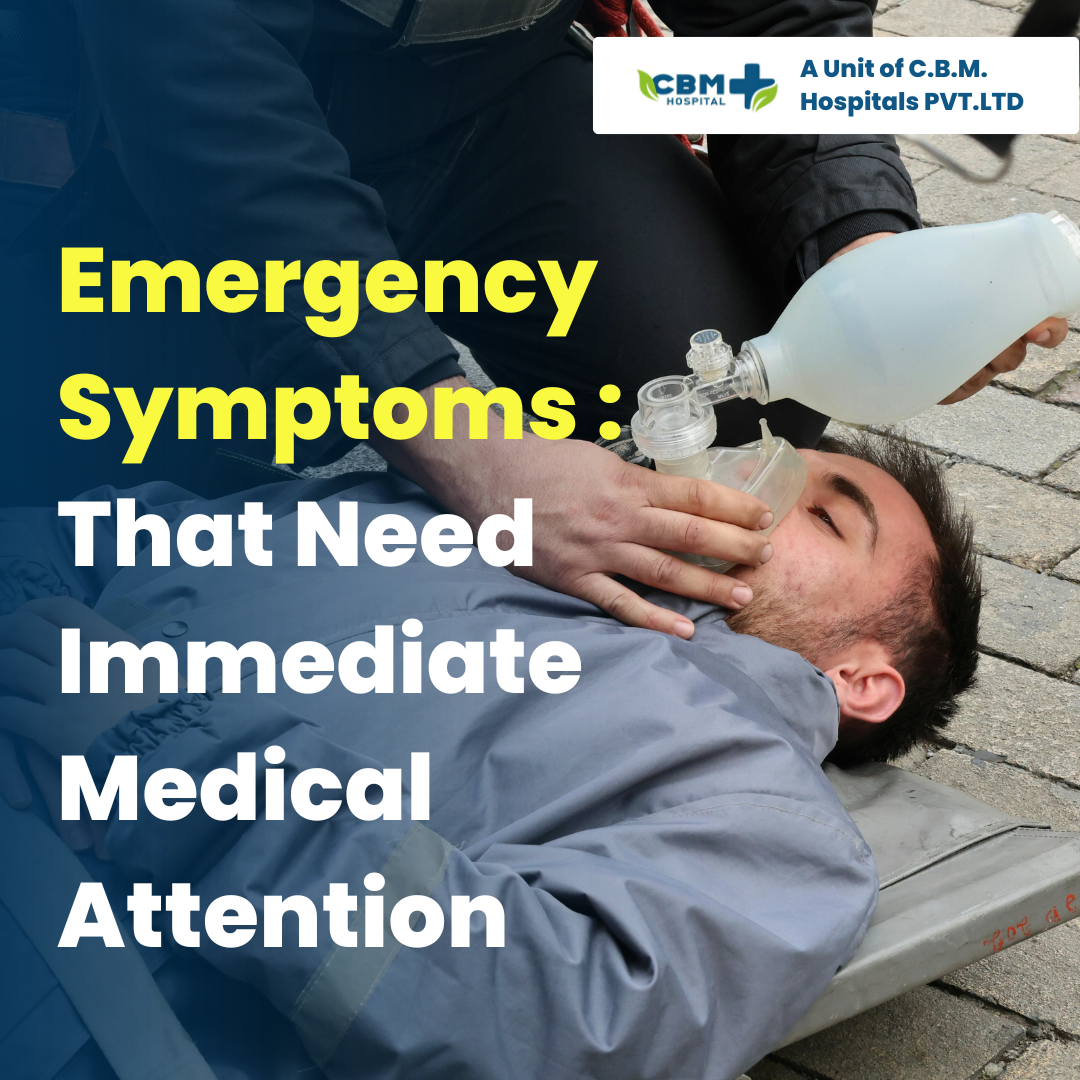
Emergency Symptoms : That Need Immediate Medical Attention

Emergency Symptoms : That Need Immediate Medical Attention – Medical emergencies can happen without warning. In many situations, recognising the symptoms early and seeking immediate medical care can make a significant difference in treatment and recovery. Some conditions, such as heart attacks, strokes, severe allergic reactions, and serious injuries, require urgent medical attention and should never be ignored. Knowing the warning signs of an emergency can help you act quickly when every minute matters. If you or someone around you experiences sudden, severe, or unusual symptoms, it is important to seek emergency medical care without delay. What Is a Medical Emergency? A medical emergency is a serious health condition that requires immediate medical evaluation and treatment. Delaying care can sometimes lead to serious complications or become life-threatening. Emergency symptoms may involve the: Heart and blood circulation Brain and nervous system Respiratory system Digestive system Major injuries Severe infections Allergic reactions Emergency Symptoms That Need Immediate Medical Attention 1. Sudden Chest Pain or Pressure Sudden chest pain, tightness, pressure, or heaviness can be a warning sign of a heart attack or another serious heart condition. The pain may sometimes spread to the arm, shoulder, back, neck, or jaw. Seek immediate medical attention if chest pain is accompanied by: Difficulty breathing Cold sweating Nausea or vomiting Dizziness Severe weakness Fainting Never ignore sudden or unexplained chest discomfort, especially if it is severe or persistent. 2. Difficulty Breathing Severe or sudden difficulty breathing requires urgent medical care. A person may feel unable to breathe properly, experience chest tightness, or develop severe shortness of breath. Breathing problems may be associated with serious conditions such as heart problems, asthma attacks, severe infections, lung disorders, or serious allergic reactions. If a person is struggling to breathe, do not wait for the symptoms to improve on their own. 3. Signs of a Stroke A stroke is a medical emergency in which blood flow to part of the brain is interrupted or bleeding occurs in the brain. Early treatment is extremely important. Remember the BE FAST warning signs: B – Balance: Sudden loss of balance or coordination E – Eyes: Sudden vision problems F – Face: Drooping or weakness on one side of the face A – Arms: Sudden weakness or numbness in one arm S – Speech: Slurred speech or difficulty speaking T – Time: Seek emergency medical help immediately Even if the symptoms improve after a few minutes, immediate medical evaluation is necessary. 4. Sudden Loss of Consciousness Fainting or becoming unresponsive without an obvious reason can indicate a serious underlying problem. It may be associated with heart conditions, neurological problems, low blood sugar, or other medical emergencies. If a person does not regain consciousness quickly, emergency medical help should be sought immediately. 5. Severe or Sudden Abdominal Pain Sudden, severe, or worsening abdominal pain should not be ignored. It may be associated with conditions such as appendicitis, internal bleeding, intestinal obstruction, or other serious problems. Immediate medical attention is especially important when abdominal pain is accompanied by: Persistent vomiting Blood in vomit or stool Abdominal swelling High fever Fainting Severe weakness 6. Uncontrolled Bleeding Heavy bleeding that does not stop with direct pressure is an emergency. Major blood loss can cause weakness, dizziness, shock, and loss of consciousness. Emergency medical care is particularly important after serious injuries, accidents, or when bleeding is associated with severe weakness or confusion. 7. Serious Head Injury A head injury may sometimes appear minor initially but can lead to serious complications. Seek immediate medical attention after a significant head injury, especially if the person develops: Loss of consciousness Repeated vomiting Severe or worsening headache Confusion Seizures Unusual sleepiness Weakness or numbness Prompt evaluation is important because some brain injuries may not show immediate symptoms. 8. Severe Allergic Reaction A severe allergic reaction can develop rapidly and may become life-threatening. Symptoms may include: Swelling of the face, lips, tongue, or throat Difficulty breathing Widespread skin rashes or hives Dizziness Fainting A person experiencing these symptoms needs immediate emergency medical attention. 9. Seizures A first-time seizure, a seizure lasting several minutes, repeated seizures, or a seizure associated with an injury requires urgent medical evaluation. During a seizure, do not try to force anything into the person’s mouth. Keep the person safe from nearby objects and seek emergency medical help. 10. Sudden and Severe Headache A sudden, extremely severe headache that develops rapidly may be a warning sign of a serious neurological condition. Immediate medical attention is especially important if the headache is accompanied by: Vomiting Loss of consciousness Confusion Weakness or numbness Vision problems Difficulty speaking 11. Severe Poisoning or Overdose Accidental or intentional ingestion of medicines, chemicals, pesticides, or other harmful substances requires immediate medical attention. Do not wait for symptoms to appear. Take the person to an emergency medical facility as soon as possible and, if available, provide information about the substance consumed. 12. High Fever with Serious Symptoms Fever can occur due to many conditions, but high fever accompanied by serious symptoms requires urgent evaluation. Seek medical attention if fever is associated with: Confusion Difficulty breathing Severe weakness Seizures Stiff neck Rapid worsening of symptoms Why Immediate Medical Care Is Important In many emergencies, early diagnosis and treatment can help prevent complications. Conditions such as stroke, heart attack, severe infections, and major injuries may require rapid assessment, diagnostic tests, specialist consultation, and emergency treatment. Choosing a hospital with emergency care facilities and access to multiple medical specialties can be important during a medical crisis. A Best Multispeciality Hospital in Haldwani, Uttarakhand can provide access to coordinated care from different specialists when patients require urgent evaluation and treatment. When Should You Visit the Emergency Department? You should seek immediate emergency medical care if symptoms are: Sudden and severe Rapidly worsening Affecting breathing Associated with chest pain Causing loss of consciousness Associated with stroke symptoms Causing uncontrolled bleeding Associated with seizures Causing severe allergic reactions When in doubt, it is safer to seek medical attention rather than waiting for serious … Read more

Postpartum Recovery: What Every New Mother Should Know

Postpartum Recovery: What Every New Mother Should Know-  The postpartum period, often called the “fourth trimester,” is a time of significant physical and emotional changes for a new mother. While welcoming a baby is a joyful experience, the body also needs time to heal and adjust after pregnancy and childbirth. Understanding postpartum recovery can help mothers take better care of themselves and seek medical help when needed. What Is Postpartum Recovery? Postpartum recovery refers to the period after childbirth when a woman’s body gradually returns to its pre-pregnancy state. This recovery process generally lasts for several weeks to months and varies from person to person. Factors such as the type of delivery, overall health, and pregnancy complications can influence recovery time. Physical healing is only one aspect of postpartum recovery. Emotional well-being, adequate rest, proper nutrition, and support from family members also play crucial roles. Physical Changes After Delivery Following childbirth, the body undergoes several changes as it begins the healing process. Vaginal Bleeding and Discharge It is normal to experience vaginal bleeding, known as lochia, after delivery. Initially, the bleeding may be heavy and bright red, gradually becoming lighter over the following weeks. This discharge is part of the body’s natural process of shedding the tissues and blood that supported pregnancy. Uterine Contractions Many women experience mild abdominal cramps after delivery. These contractions help the uterus return to its normal size and are often more noticeable during breastfeeding. Perineal Discomfort Women who have had a vaginal delivery may experience soreness or discomfort in the area between the vagina and anus. Recovery usually improves gradually with proper care and hygiene. Recovery After Cesarean Delivery Mothers who have undergone a cesarean section generally require a longer recovery period. Mild pain and tenderness around the incision site are common, and activity may need to be limited during the initial weeks. Breast Changes and Breastfeeding Breastfeeding is beneficial for both mother and baby, but it can also present some challenges during the early days. Breasts may become swollen, tender, or feel heavy as milk production increases. Some mothers may experience nipple soreness while learning proper breastfeeding techniques. Frequent feeding, proper positioning, and maintaining good hydration can make breastfeeding more comfortable and support milk production. Emotional Changes After Childbirth The postpartum period can bring a range of emotions. Hormonal fluctuations, physical exhaustion, and adapting to a new routine can affect emotional well-being. Many mothers experience mood swings, anxiety, or tearfulness during the first few days after delivery, commonly referred to as the “baby blues.” These feelings usually improve within a short period. However, persistent sadness, loss of interest, excessive worry, difficulty bonding with the baby, or feelings of hopelessness may indicate postpartum depression and require medical attention. The Importance of Rest and Sleep Sleep deprivation is common for new mothers due to the baby’s feeding and sleeping patterns. Although uninterrupted sleep may be difficult, adequate rest is essential for physical healing and emotional health. Sleeping when the baby sleeps, accepting help from family members, and avoiding unnecessary physical strain can support recovery. Nutrition During Postpartum Recovery Proper nutrition plays a vital role in helping the body recover after childbirth. A balanced diet rich in proteins, fruits, vegetables, whole grains, and healthy fats supports tissue healing and replenishes energy stores. Adequate hydration is equally important, particularly for breastfeeding mothers. Iron-rich foods may be beneficial for women who experienced blood loss during delivery. Calcium and vitamin-rich foods also contribute to bone health and overall well-being. Physical Activity After Delivery Light movement and gentle walking can improve circulation and reduce the risk of complications such as blood clots. However, strenuous activities and heavy lifting should generally be avoided during the early recovery period. The timing for returning to exercise varies depending on the type of delivery and individual recovery. Consulting a healthcare professional before resuming regular exercise is advisable. Importance of Follow-Up Care Postpartum check-ups are essential to monitor recovery and address any concerns that may arise after delivery. During these visits, healthcare providers evaluate physical healing, emotional well-being, breastfeeding concerns, and overall health. These appointments also provide an opportunity to discuss family planning, nutrition, and newborn care. Regular postpartum care at the Best Multispeciality Hospital in Haldwani, Uttarakhand helps ensure that mothers receive comprehensive support during recovery. Warning Signs That Need Medical Attention While most women recover without major complications, certain symptoms require prompt medical evaluation. These include: Heavy vaginal bleeding High fever Severe abdominal pain Difficulty breathing Chest pain Redness or discharge from a cesarean incision Persistent sadness or thoughts of self-harm Early medical intervention can prevent complications and promote a safer recovery. Building a Support System The transition to motherhood can be physically and emotionally demanding. Having support from family members, friends, and healthcare providers can make a significant difference. Seeking help with household responsibilities, newborn care, and emotional support allows mothers to focus on recovery and bonding with their baby. Conclusion Postpartum recovery is a gradual process that involves physical healing, emotional adjustment, and adapting to life with a newborn. Every mother’s experience is unique, and recovery should be approached with patience and self-care. Adequate rest, proper nutrition, emotional support, and regular medical follow-ups contribute significantly to a healthy postpartum journey. At Brij Lal Hospital & Research Centre, mothers receive comprehensive postpartum and maternity care designed to support recovery after childbirth. Recognized as the Best Hospital in Haldwani, Uttarakhand and a Best Multispeciality Hospital in Haldwani, Uttarakhand, the hospital remains committed to providing compassionate care and helping mothers navigate the postpartum period with confidence and well-being.  

Myths and Facts About Infertility

Myths and Facts About Infertility – Infertility is a common health concern that affects millions of couples worldwide. Despite increasing awareness, many myths and misconceptions still surround infertility, often causing unnecessary stress, guilt, and delays in seeking medical help. Understanding the facts about infertility is essential for making informed decisions and getting timely treatment. What Is Infertility? Infertility is generally defined as the inability to achieve pregnancy after one year of regular, unprotected intercourse. For women above the age of 35, medical evaluation is often recommended after six months of trying to conceive. Infertility can affect both men and women and may result from a wide range of medical, hormonal, genetic, or lifestyle-related factors. Myth 1: Infertility Is Always a Woman’s Problem Fact: One of the biggest misconceptions is that infertility is solely a female issue. In reality, male factors contribute to a significant number of infertility cases. Problems related to sperm count, sperm movement, hormonal imbalances, infections, and certain medical conditions can affect male fertility. Because infertility can involve either partner or both, evaluation of both individuals is important when a couple experiences difficulty conceiving. Myth 2: If You Already Have One Child, You Cannot Be Infertile Fact: Having one child does not guarantee future fertility. Some couples experience secondary infertility, which refers to difficulty conceiving after previously having one or more children. Age-related changes, hormonal disorders, medical conditions, lifestyle factors, or complications from previous pregnancies can contribute to secondary infertility. Myth 3: Age Affects Only Women’s Fertility Fact: Women’s fertility naturally declines with age, especially after the age of 35. However, age also affects male fertility. As men grow older, sperm quality, quantity, and genetic integrity may gradually decline. Advanced maternal and paternal age can increase the risk of pregnancy complications and may reduce the chances of successful conception. Myth 4: Stress Alone Causes Infertility Fact: Stress can affect overall health and may influence hormonal balance, but it is rarely the sole cause of infertility. Conditions such as ovulation disorders, blocked fallopian tubes, endometriosis, polycystic ovary syndrome (PCOS), thyroid disorders, and male factor infertility are often responsible. While managing stress is beneficial, medical evaluation is important to identify the actual cause of infertility. Myth 5: Infertility Means You Will Never Have Children Fact: Infertility does not mean parenthood is impossible. Many causes of infertility can be treated successfully with medications, lifestyle changes, surgical procedures, or assisted reproductive technologies. Advancements in reproductive medicine have significantly improved pregnancy outcomes for many couples who previously struggled with infertility. Myth 6: Irregular Periods Always Cause Infertility Fact: Irregular menstrual cycles can sometimes indicate ovulation problems, but they do not automatically mean a woman is infertile. Some women with irregular periods conceive naturally, while others may need treatment to regulate ovulation. Proper evaluation helps determine whether irregular cycles are affecting fertility. Myth 7: Healthy Lifestyle Has No Impact on Fertility Fact: Lifestyle plays an important role in reproductive health. Smoking, excessive alcohol consumption, obesity, poor diet, lack of exercise, and inadequate sleep can negatively affect both male and female fertility. Maintaining a healthy lifestyle supports hormonal balance and improves the chances of conception. Myth 8: Fertility Treatments Always Lead to Multiple Pregnancies Fact: Many people believe fertility treatments always result in twins or triplets. However, advances in reproductive medicine allow specialists to carefully monitor treatment and minimize the risk of multiple pregnancies. Treatment plans are personalized according to each couple’s needs and medical condition. Myth 9: Infertility Is Rare Fact: Infertility is more common than many people realize. Millions of couples worldwide experience fertility challenges. Seeking timely medical advice can improve treatment outcomes and reduce emotional stress associated with delayed diagnosis. When Should You See a Doctor? Couples should consider seeking medical advice if: They have been trying to conceive for one year without success. The woman is above 35 years of age and has been trying for six months. Menstrual cycles are absent or highly irregular. There is a history of miscarriages. Either partner has known reproductive health issues. Early evaluation can help identify underlying causes and provide appropriate treatment options. How Is Infertility Diagnosed? Diagnosis may involve a detailed medical history, physical examination, hormone testing, ultrasound evaluation, ovulation assessment, semen analysis, and other specialized investigations depending on individual circumstances. At the Best Multispeciality Hospital in Haldwani, Uttarakhand, comprehensive fertility evaluation helps identify the cause of infertility and guide personalized treatment strategies. Conclusion Infertility is surrounded by myths that often create confusion, anxiety, and misconceptions. The truth is that infertility can affect both men and women, and many causes are treatable with timely medical intervention. Age, lifestyle, and underlying medical conditions all play important roles in fertility, making early evaluation essential. At Brij Lal Hospital & Research Centre, couples receive compassionate care, advanced diagnostic services, and expert guidance for fertility-related concerns. Recognized as the Best Hospital in Haldwani, Uttarakhand and a Best Multispeciality Hospital in Haldwani, Uttarakhand, the hospital is committed to helping couples understand their reproductive health and access appropriate treatment options with confidence and care.  

Know the Difference: Heat Stroke vs. Dehydration

Heat Stroke vs. Dehydration: Know the Difference- Introduction Extreme heat can have a significant impact on the body and may lead to serious health problems if proper precautions are not taken. During the summer months, cases of dehydration and heat-related illnesses increase considerably, affecting people of all age groups. Although heat stroke and dehydration are often used interchangeably, they are two different conditions. Dehydration occurs when the body loses more fluids than it takes in, while heat stroke is a medical emergency that develops when the body’s temperature rises to dangerously high levels and its cooling mechanisms fail. Understanding the difference between heat stroke and dehydration is essential because early recognition and timely intervention can help prevent serious complications and even save lives. What Is Dehydration? Dehydration occurs when the body loses excessive amounts of water and essential electrolytes through sweating, vomiting, diarrhea, or inadequate fluid intake. Without enough fluids, the body cannot perform its normal functions efficiently. Common Causes of Dehydration Inadequate water intake Excessive sweating Prolonged exposure to high temperatures Vomiting or diarrhea Intense physical activity Fever and certain medical conditions Symptoms of Dehydration The signs and symptoms of dehydration may include: Excessive thirst Dry mouth and lips Dark-colored urine Reduced urination Fatigue and weakness Headache Dizziness Muscle cramps Dry skin Mild dehydration often improves with adequate fluid intake and rest. However, severe dehydration may require medical attention. What Is Heat Stroke? Heat stroke is a serious heat-related illness that occurs when the body’s temperature rises significantly and the body loses its ability to regulate heat effectively. It is considered a medical emergency and requires immediate treatment. Heat stroke can develop after prolonged exposure to high temperatures, excessive physical activity in hot environments, or severe dehydration. Symptoms of Heat Stroke Common symptoms of heat stroke include: High body temperature Hot, dry, or flushed skin Confusion or disorientation Severe headache Rapid heartbeat Difficulty breathing Nausea or vomiting Dizziness Fainting Seizures or loss of consciousness Without immediate medical care, heat stroke can cause serious complications affecting the brain, heart, kidneys, and other organs. Heat Stroke vs. Dehydration: Key Differences Dehydration Occurs due to excessive fluid loss Usually causes thirst and dry mouth Body temperature may remain normal or slightly elevated Symptoms often improve with fluid replacement Mild cases can frequently be managed at home Heat Stroke Occurs when the body can no longer regulate its temperature Causes a dangerously high body temperature May lead to confusion, fainting, or unconsciousness Requires immediate medical attention Can become life-threatening if treatment is delayed Who Is at Higher Risk? Certain groups are more vulnerable to both dehydration and heat stroke, including: Older adults Infants and young children Outdoor workers Athletes Pregnant women Individuals with chronic medical conditions People taking certain medications Individuals who spend long periods in hot environments These individuals should take additional precautions during periods of extreme heat. How to Prevent Dehydration and Heat Stroke Stay Hydrated Drink adequate amounts of water throughout the day, even if you do not feel thirsty. Increase fluid intake during hot weather and physical activity. Avoid Direct Sun Exposure Limit outdoor activities during the hottest part of the day whenever possible. Wear Lightweight Clothing Loose-fitting and light-colored clothing can help the body remain cool and reduce heat absorption. Avoid Excessive Physical Exertion Take regular breaks if engaging in outdoor activities or exercise during warm weather. Eat Water-Rich Foods Include fruits and vegetables with high water content, such as watermelon, oranges, cucumber, and coconut water, in your diet. Never Ignore Early Symptoms Symptoms such as excessive thirst, weakness, dizziness, headache, confusion, or reduced urination should be addressed promptly to prevent complications. When Should You Seek Medical Attention? Immediate medical attention is necessary if a person experiences: High body temperature Confusion or disorientation Fainting or loss of consciousness Difficulty breathing Seizures Persistent vomiting Severe weakness or inability to drink fluids Prompt treatment can help prevent serious complications and improve recovery outcomes. Why Choose Brij Lal Hospital & Research Centre? At Brij Lal Hospital & Research Centre, we understand the importance of early recognition and timely management of heat-related illnesses. Our experienced specialists and advanced medical facilities provide comprehensive emergency care and personalized treatment for dehydration, heat stroke, and other seasonal health concerns. Our commitment to quality healthcare and patient-centered services has made us the Best Multispeciality Hospital in Haldwani- Uttarakhand and a trusted destination for individuals seeking the best hospital in haldwani. Conclusion Although heat stroke and dehydration may share some similar symptoms, they are distinct conditions that require different levels of medical attention. Dehydration primarily results from excessive fluid loss, while heat stroke is a life-threatening emergency caused by the body’s inability to regulate temperature. Recognizing the differences between these conditions and taking preventive measures such as staying hydrated, avoiding excessive heat exposure, and seeking timely medical care can help protect your health during hot weather.   If you or your loved ones experience symptoms of dehydration or heat stroke, seek timely medical care at Brij Lal Hospital & Research Centre. Early diagnosis and prompt treatment can help prevent serious complications and support a faster recovery.  

Monsoon Diseases in India: Prevention and Treatment Guide

Monsoon Diseases: Prevention & Treatment- Introduction The monsoon season brings relief from the summer heat and rejuvenates the environment. However, it also creates conditions that increase the risk of various infections and diseases. Waterlogging, increased humidity, and the growth of bacteria, viruses, and mosquitoes make people more vulnerable to health problems during this time of the year. Children, older adults, pregnant women, and individuals with weakened immunity are particularly susceptible to monsoon-related illnesses. Many of these diseases spread rapidly and can lead to serious complications if not identified and treated promptly. Understanding common monsoon diseases, their symptoms, preventive measures, and treatment options can help individuals stay healthy and seek timely medical care when needed. Why Do Diseases Increase During the Monsoon? The rainy season creates an environment that supports the growth of disease-causing microorganisms. Stagnant water becomes a breeding ground for mosquitoes, while contaminated food and water increase the risk of infections. High humidity levels can also encourage the spread of bacteria and viruses, leading to a rise in seasonal illnesses. Common Monsoon Diseases in India Dengue Dengue is a mosquito-borne viral infection that commonly increases during the monsoon season. Symptoms may include high fever, severe headache, muscle and joint pain, skin rash, nausea, and extreme weakness. Malaria Malaria spreads through the bite of infected mosquitoes and remains one of the most common monsoon diseases in India. Symptoms include fever with chills, sweating, headache, body aches, and fatigue. Viral Fever Viral fever is widespread during the rainy season and often causes symptoms such as fever, weakness, sore throat, headache, and body pain. Most cases improve with adequate rest and supportive treatment. Typhoid Typhoid is caused by bacterial contamination of food and water. Common symptoms include prolonged fever, abdominal pain, weakness, loss of appetite, and digestive disturbances. Gastroenteritis Consumption of contaminated food and water can lead to stomach infections and gastroenteritis. Symptoms may include nausea, vomiting, diarrhea, abdominal cramps, and dehydration. Leptospirosis Leptospirosis is a bacterial infection that can spread through contact with water contaminated by animal urine. Symptoms often include fever, muscle pain, headache, vomiting, and fatigue. Respiratory Infections Increased humidity and sudden temperature changes can trigger respiratory infections, including the common cold, sore throat, sinus infections, and worsening of asthma symptoms. Early Warning Signs That Should Not Be Ignored Seek medical attention if you experience: High fever lasting more than two days Persistent vomiting or diarrhea Difficulty breathing Severe weakness or dehydration Unexplained rashes Severe abdominal pain Confusion or dizziness Reduced urine output Early diagnosis and treatment can significantly reduce the risk of complications. How to Prevent Monsoon Diseases Maintain Proper Hand Hygiene Wash your hands regularly with soap and water, especially before eating and after using the washroom. Proper hand hygiene can significantly reduce the spread of infections. Drink Safe Water Consume clean and properly filtered drinking water. Avoid drinking water from questionable sources and ensure that stored water remains covered. Eat Fresh and Hygienic Food Avoid consuming uncovered street food and foods that may have been exposed to contamination. Eating freshly prepared meals can reduce the risk of food-borne infections. Prevent Mosquito Breeding Do not allow water to collect in containers, flower pots, coolers, or open areas around the home. Eliminating stagnant water can help reduce mosquito breeding. Use Protective Measures Against Mosquitoes Wear full-sleeved clothing, use mosquito repellents, and consider mosquito nets to protect against mosquito bites. Strengthen Immunity A balanced diet, adequate hydration, sufficient sleep, and regular physical activity help support the immune system and improve resistance to infections. Keep Your Surroundings Clean Maintaining cleanliness inside and around the home helps reduce exposure to bacteria, viruses, and mosquitoes that spread monsoon-related diseases. Treatment of Common Monsoon Diseases Treatment depends on the underlying cause of the illness and its severity. Viral infections may require supportive care, including adequate rest and hydration. Bacterial infections may require medications prescribed by a healthcare professional. Conditions such as dengue and malaria require timely diagnosis and appropriate medical management to prevent complications. Self-medication should be avoided, especially in cases of high fever, persistent symptoms, or signs of dehydration. Seeking medical advice at an early stage can improve recovery and reduce health risks. Who Is at Higher Risk of Monsoon Diseases? Certain groups are more vulnerable to monsoon-related illnesses, including: Children Older adults Pregnant women Individuals with weakened immunity People with chronic medical conditions such as diabetes and respiratory diseases These individuals should take additional precautions and seek medical attention promptly if symptoms develop. Why Choose Brij Lal Hospital & Research Centre? At Brij Lal Hospital & Research Centre, we are committed to providing comprehensive healthcare services and timely treatment for seasonal illnesses. Our experienced specialists and advanced diagnostic facilities help in the early detection and effective management of monsoon-related diseases. Our dedication to quality healthcare and patient-centered services has made us the Best Multispeciality Hospital in Haldwani- Uttarakhand and a trusted destination for individuals seeking the best hospital in haldwani. Conclusion The monsoon season increases the risk of several infectious diseases, including dengue, malaria, typhoid, viral fever, and gastrointestinal infections. Maintaining good hygiene, preventing mosquito breeding, consuming safe food and water, and seeking timely medical care are essential steps for staying healthy during the rainy season.   If you or your loved ones experience persistent fever, weakness, stomach infections, or other symptoms of monsoon-related illnesses, consult the experts at Brij Lal Hospital & Research Centre. Early diagnosis and timely treatment can help prevent complications and ensure a faster recovery.  

Why Diabetes Is Increasing in India ?

Why Diabetes Is Rising in India and How to Prevent It – Introduction Diabetes has become one of the fastest-growing health concerns in India, affecting millions of people across different age groups. Once considered a condition that primarily affected older adults, diabetes is now increasingly being diagnosed in young adults and even teenagers. Rapid urbanization, changing lifestyles, unhealthy eating habits, and reduced physical activity have contributed significantly to the rising number of diabetes cases in the country. The condition often develops gradually and may not show noticeable symptoms during its early stages. Understanding the reasons behind the increasing prevalence of diabetes and adopting preventive measures can help individuals protect their health and reduce the risk of long-term complications. What Is Diabetes? Diabetes is a chronic condition that occurs when the body is unable to produce enough insulin or cannot use insulin effectively. Insulin is a hormone that helps regulate blood sugar levels. When blood sugar remains consistently high, it can affect multiple organs and increase the risk of serious health problems. The most common types of diabetes include Type 1 diabetes, Type 2 diabetes, and gestational diabetes. Among these, Type 2 diabetes accounts for the majority of diabetes cases in India. Why Is Diabetes Rising in India? Sedentary Lifestyle Modern lifestyles often involve prolonged sitting, limited physical activity, and increased screen time. Lack of regular exercise can contribute to weight gain and reduce the body’s ability to regulate blood sugar effectively. Unhealthy Dietary Habits The consumption of processed foods, sugary beverages, refined carbohydrates, and high-calorie meals has increased significantly in recent years. These dietary habits can lead to obesity and increase the risk of developing diabetes. Increasing Rates of Obesity Excess body weight, particularly around the abdomen, is one of the major risk factors for Type 2 diabetes. Obesity affects insulin sensitivity and makes it difficult for the body to maintain normal blood sugar levels. Stress and Mental Health Challenges Chronic stress can influence hormone levels and negatively impact blood sugar control. High stress levels are also associated with unhealthy eating habits and reduced physical activity. Genetic Predisposition A family history of diabetes significantly increases the likelihood of developing the condition. Individuals with diabetic parents or siblings should pay particular attention to preventive healthcare and regular screening. Lack of Regular Health Checkups Many people remain unaware that they have prediabetes or early-stage diabetes because the condition may not produce obvious symptoms initially. Delayed diagnosis often leads to complications and more complex treatment requirements. Early Warning Signs of Diabetes Diabetes may develop silently, but certain symptoms should never be ignored, including: Frequent urination Increased thirst Excessive hunger Unexplained weight loss Persistent fatigue Blurred vision Slow wound healing Frequent infections Tingling or numbness in the hands and feet Seeking medical attention when these symptoms appear can help ensure early diagnosis and timely management. Complications of Uncontrolled Diabetes Poorly managed diabetes can affect several organs and systems in the body. Potential complications include: Heart disease Stroke Kidney damage Eye problems and vision loss Nerve damage Poor wound healing Increased risk of infections Early detection and proper management can significantly reduce the risk of these complications. How to Prevent Diabetes Maintain a Healthy Weight Maintaining an ideal body weight can improve insulin sensitivity and reduce the risk of developing Type 2 diabetes. Follow a Balanced Diet A nutritious diet rich in fruits, vegetables, whole grains, lean proteins, and fiber helps regulate blood sugar levels and supports overall health. Exercise Regularly Regular physical activity helps improve blood sugar control, maintain a healthy weight, and enhance overall well-being. Even moderate activities such as walking can provide significant health benefits. Limit Sugar and Processed Foods Reducing the intake of sugary drinks, processed snacks, and refined carbohydrates can help prevent unnecessary spikes in blood sugar levels. Manage Stress Effectively Stress management techniques such as meditation, yoga, and adequate sleep can positively impact overall health and support better blood sugar regulation. Schedule Regular Health Screenings Routine health checkups and blood sugar tests can help identify prediabetes and diabetes at an early stage, allowing timely intervention and lifestyle modifications. Who Is at Higher Risk of Diabetes? The risk of diabetes is higher among individuals who: Have a family history of diabetes Are overweight or obese Lead a physically inactive lifestyle Have high blood pressure or high cholesterol Experience chronic stress Have a history of gestational diabetes Are above the age of 40 years People with these risk factors should prioritize preventive healthcare and regular medical evaluations. Why Choose Brij Lal Hospital & Research Centre? At Brij Lal Hospital & Research Centre, we believe that early diagnosis and preventive care play a crucial role in managing diabetes and reducing its complications. Our experienced specialists and advanced diagnostic facilities provide comprehensive diabetes screening, personalized treatment plans, and patient-centered healthcare services. Our commitment to quality healthcare and multidisciplinary expertise has made us the Best Multispeciality Hospital in Haldwani- Uttarakhand and a trusted destination for individuals seeking the best hospital in haldwani. Conclusion Diabetes is rising rapidly in India due to changing lifestyles, unhealthy eating habits, obesity, stress, and limited physical activity. Although the condition can lead to serious health complications, many cases can be prevented through healthy lifestyle choices, regular exercise, balanced nutrition, and routine health screenings.   If you have risk factors for diabetes or are experiencing symptoms such as increased thirst, frequent urination, or unexplained fatigue, consult the experts at Brij Lal Hospital & Research Centre. Early diagnosis and timely intervention can help you manage your health effectively and reduce the risk of long-term complications.