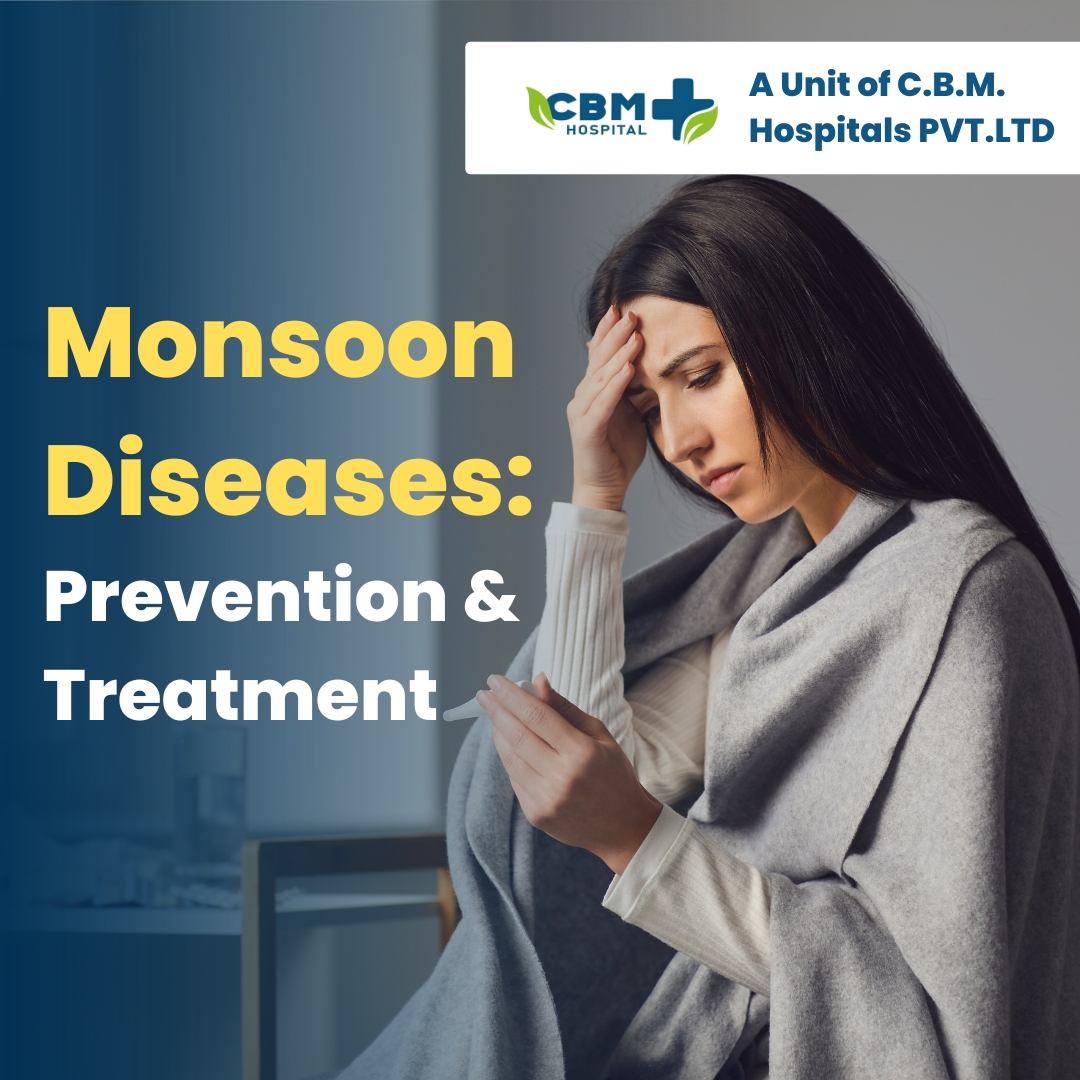
Monsoon Diseases: Prevention & Treatment-
Introduction
The monsoon season brings relief from the summer heat and rejuvenates the environment. However, it also creates conditions that increase the risk of various infections and diseases. Waterlogging, increased humidity, and the growth of bacteria, viruses, and mosquitoes make people more vulnerable to health problems during this time of the year.
Children, older adults, pregnant women, and individuals with weakened immunity are particularly susceptible to monsoon-related illnesses. Many of these diseases spread rapidly and can lead to serious complications if not identified and treated promptly.
Understanding common monsoon diseases, their symptoms, preventive measures, and treatment options can help individuals stay healthy and seek timely medical care when needed.
Why Do Diseases Increase During the Monsoon?
The rainy season creates an environment that supports the growth of disease-causing microorganisms. Stagnant water becomes a breeding ground for mosquitoes, while contaminated food and water increase the risk of infections. High humidity levels can also encourage the spread of bacteria and viruses, leading to a rise in seasonal illnesses.
Common Monsoon Diseases in India
Dengue
Dengue is a mosquito-borne viral infection that commonly increases during the monsoon season. Symptoms may include high fever, severe headache, muscle and joint pain, skin rash, nausea, and extreme weakness.
Malaria
Malaria spreads through the bite of infected mosquitoes and remains one of the most common monsoon diseases in India. Symptoms include fever with chills, sweating, headache, body aches, and fatigue.
Viral Fever
Viral fever is widespread during the rainy season and often causes symptoms such as fever, weakness, sore throat, headache, and body pain. Most cases improve with adequate rest and supportive treatment.
Typhoid
Typhoid is caused by bacterial contamination of food and water. Common symptoms include prolonged fever, abdominal pain, weakness, loss of appetite, and digestive disturbances.
Gastroenteritis
Consumption of contaminated food and water can lead to stomach infections and gastroenteritis. Symptoms may include nausea, vomiting, diarrhea, abdominal cramps, and dehydration.
Leptospirosis
Leptospirosis is a bacterial infection that can spread through contact with water contaminated by animal urine. Symptoms often include fever, muscle pain, headache, vomiting, and fatigue.
Respiratory Infections
Increased humidity and sudden temperature changes can trigger respiratory infections, including the common cold, sore throat, sinus infections, and worsening of asthma symptoms.
Early Warning Signs That Should Not Be Ignored
Seek medical attention if you experience:
- High fever lasting more than two days
- Persistent vomiting or diarrhea
- Difficulty breathing
- Severe weakness or dehydration
- Unexplained rashes
- Severe abdominal pain
- Confusion or dizziness
- Reduced urine output
Early diagnosis and treatment can significantly reduce the risk of complications.
How to Prevent Monsoon Diseases
Maintain Proper Hand Hygiene
Wash your hands regularly with soap and water, especially before eating and after using the washroom. Proper hand hygiene can significantly reduce the spread of infections.
Drink Safe Water
Consume clean and properly filtered drinking water. Avoid drinking water from questionable sources and ensure that stored water remains covered.
Eat Fresh and Hygienic Food
Avoid consuming uncovered street food and foods that may have been exposed to contamination. Eating freshly prepared meals can reduce the risk of food-borne infections.
Prevent Mosquito Breeding
Do not allow water to collect in containers, flower pots, coolers, or open areas around the home. Eliminating stagnant water can help reduce mosquito breeding.
Use Protective Measures Against Mosquitoes
Wear full-sleeved clothing, use mosquito repellents, and consider mosquito nets to protect against mosquito bites.
Strengthen Immunity
A balanced diet, adequate hydration, sufficient sleep, and regular physical activity help support the immune system and improve resistance to infections.
Keep Your Surroundings Clean
Maintaining cleanliness inside and around the home helps reduce exposure to bacteria, viruses, and mosquitoes that spread monsoon-related diseases.
Treatment of Common Monsoon Diseases
Treatment depends on the underlying cause of the illness and its severity. Viral infections may require supportive care, including adequate rest and hydration. Bacterial infections may require medications prescribed by a healthcare professional. Conditions such as dengue and malaria require timely diagnosis and appropriate medical management to prevent complications.
Self-medication should be avoided, especially in cases of high fever, persistent symptoms, or signs of dehydration. Seeking medical advice at an early stage can improve recovery and reduce health risks.
Who Is at Higher Risk of Monsoon Diseases?
Certain groups are more vulnerable to monsoon-related illnesses, including:
- Children
- Older adults
- Pregnant women
- Individuals with weakened immunity
- People with chronic medical conditions such as diabetes and respiratory diseases
These individuals should take additional precautions and seek medical attention promptly if symptoms develop.
Why Choose Brij Lal Hospital & Research Centre?
At Brij Lal Hospital & Research Centre, we are committed to providing comprehensive healthcare services and timely treatment for seasonal illnesses. Our experienced specialists and advanced diagnostic facilities help in the early detection and effective management of monsoon-related diseases.
Our dedication to quality healthcare and patient-centered services has made us the Best Multispeciality Hospital in Haldwani- Uttarakhand and a trusted destination for individuals seeking the best hospital in haldwani.
Conclusion
The monsoon season increases the risk of several infectious diseases, including dengue, malaria, typhoid, viral fever, and gastrointestinal infections. Maintaining good hygiene, preventing mosquito breeding, consuming safe food and water, and seeking timely medical care are essential steps for staying healthy during the rainy season.
If you or your loved ones experience persistent fever, weakness, stomach infections, or other symptoms of monsoon-related illnesses, consult the experts at Brij Lal Hospital & Research Centre. Early diagnosis and timely treatment can help prevent complications and ensure a faster recovery.