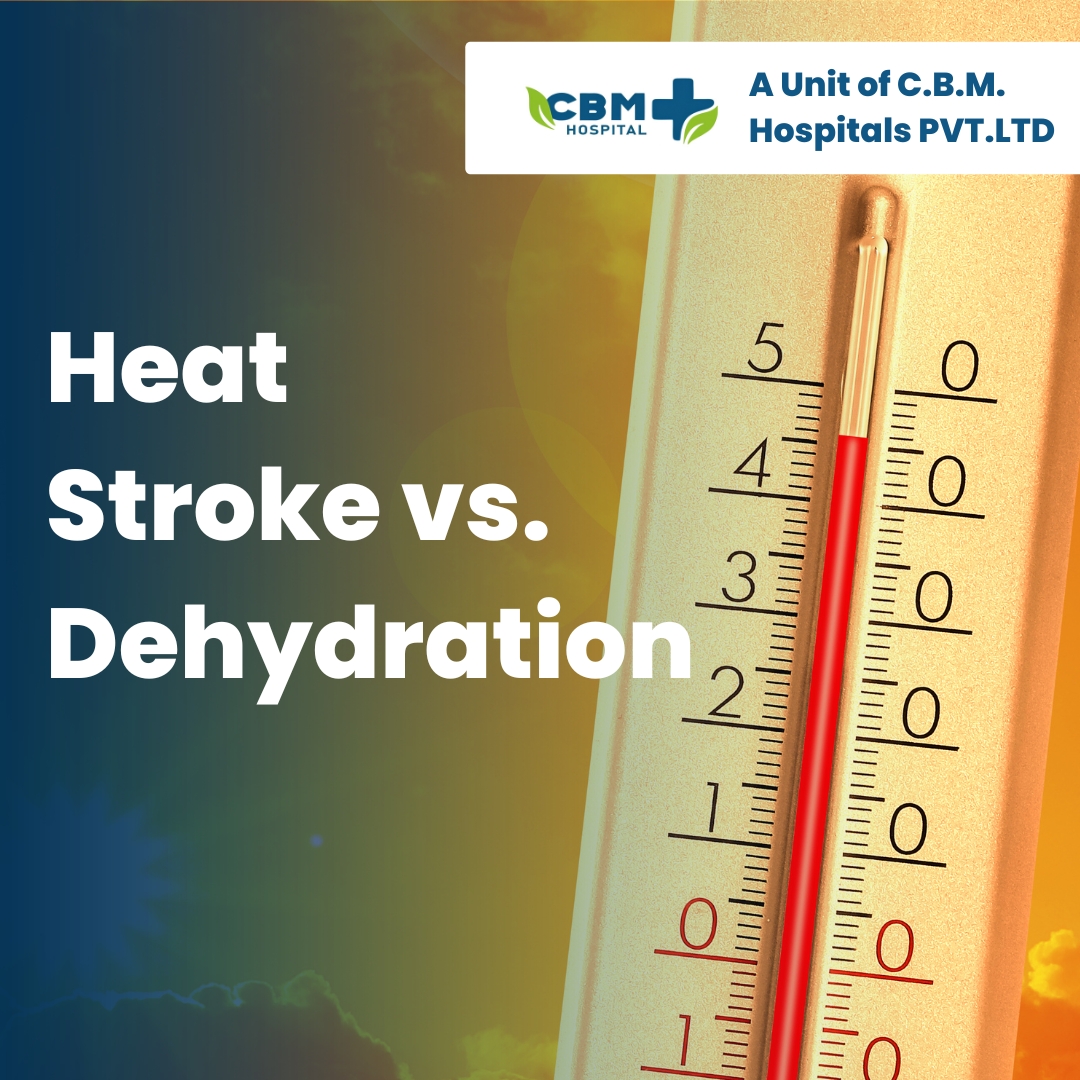
Heat Stroke vs. Dehydration: Know the Difference-
Introduction
Extreme heat can have a significant impact on the body and may lead to serious health problems if proper precautions are not taken. During the summer months, cases of dehydration and heat-related illnesses increase considerably, affecting people of all age groups.
Although heat stroke and dehydration are often used interchangeably, they are two different conditions. Dehydration occurs when the body loses more fluids than it takes in, while heat stroke is a medical emergency that develops when the body’s temperature rises to dangerously high levels and its cooling mechanisms fail.
Understanding the difference between heat stroke and dehydration is essential because early recognition and timely intervention can help prevent serious complications and even save lives.
What Is Dehydration?
Dehydration occurs when the body loses excessive amounts of water and essential electrolytes through sweating, vomiting, diarrhea, or inadequate fluid intake. Without enough fluids, the body cannot perform its normal functions efficiently.
Common Causes of Dehydration
- Inadequate water intake
- Excessive sweating
- Prolonged exposure to high temperatures
- Vomiting or diarrhea
- Intense physical activity
- Fever and certain medical conditions
Symptoms of Dehydration
The signs and symptoms of dehydration may include:
- Excessive thirst
- Dry mouth and lips
- Dark-colored urine
- Reduced urination
- Fatigue and weakness
- Headache
- Dizziness
- Muscle cramps
- Dry skin
Mild dehydration often improves with adequate fluid intake and rest. However, severe dehydration may require medical attention.
What Is Heat Stroke?
Heat stroke is a serious heat-related illness that occurs when the body’s temperature rises significantly and the body loses its ability to regulate heat effectively. It is considered a medical emergency and requires immediate treatment.
Heat stroke can develop after prolonged exposure to high temperatures, excessive physical activity in hot environments, or severe dehydration.
Symptoms of Heat Stroke
Common symptoms of heat stroke include:
- High body temperature
- Hot, dry, or flushed skin
- Confusion or disorientation
- Severe headache
- Rapid heartbeat
- Difficulty breathing
- Nausea or vomiting
- Dizziness
- Fainting
- Seizures or loss of consciousness
Without immediate medical care, heat stroke can cause serious complications affecting the brain, heart, kidneys, and other organs.
Heat Stroke vs. Dehydration: Key Differences
Dehydration
- Occurs due to excessive fluid loss
- Usually causes thirst and dry mouth
- Body temperature may remain normal or slightly elevated
- Symptoms often improve with fluid replacement
- Mild cases can frequently be managed at home
Heat Stroke
- Occurs when the body can no longer regulate its temperature
- Causes a dangerously high body temperature
- May lead to confusion, fainting, or unconsciousness
- Requires immediate medical attention
- Can become life-threatening if treatment is delayed
Who Is at Higher Risk?
Certain groups are more vulnerable to both dehydration and heat stroke, including:
- Older adults
- Infants and young children
- Outdoor workers
- Athletes
- Pregnant women
- Individuals with chronic medical conditions
- People taking certain medications
- Individuals who spend long periods in hot environments
These individuals should take additional precautions during periods of extreme heat.
How to Prevent Dehydration and Heat Stroke
Stay Hydrated
Drink adequate amounts of water throughout the day, even if you do not feel thirsty. Increase fluid intake during hot weather and physical activity.
Avoid Direct Sun Exposure
Limit outdoor activities during the hottest part of the day whenever possible.
Wear Lightweight Clothing
Loose-fitting and light-colored clothing can help the body remain cool and reduce heat absorption.
Avoid Excessive Physical Exertion
Take regular breaks if engaging in outdoor activities or exercise during warm weather.
Eat Water-Rich Foods
Include fruits and vegetables with high water content, such as watermelon, oranges, cucumber, and coconut water, in your diet.
Never Ignore Early Symptoms
Symptoms such as excessive thirst, weakness, dizziness, headache, confusion, or reduced urination should be addressed promptly to prevent complications.
When Should You Seek Medical Attention?
Immediate medical attention is necessary if a person experiences:
- High body temperature
- Confusion or disorientation
- Fainting or loss of consciousness
- Difficulty breathing
- Seizures
- Persistent vomiting
- Severe weakness or inability to drink fluids
Prompt treatment can help prevent serious complications and improve recovery outcomes.
Why Choose Brij Lal Hospital & Research Centre?
At Brij Lal Hospital & Research Centre, we understand the importance of early recognition and timely management of heat-related illnesses. Our experienced specialists and advanced medical facilities provide comprehensive emergency care and personalized treatment for dehydration, heat stroke, and other seasonal health concerns.
Our commitment to quality healthcare and patient-centered services has made us the Best Multispeciality Hospital in Haldwani- Uttarakhand and a trusted destination for individuals seeking the best hospital in haldwani.
Conclusion
Although heat stroke and dehydration may share some similar symptoms, they are distinct conditions that require different levels of medical attention. Dehydration primarily results from excessive fluid loss, while heat stroke is a life-threatening emergency caused by the body’s inability to regulate temperature.
Recognizing the differences between these conditions and taking preventive measures such as staying hydrated, avoiding excessive heat exposure, and seeking timely medical care can help protect your health during hot weather.
If you or your loved ones experience symptoms of dehydration or heat stroke, seek timely medical care at Brij Lal Hospital & Research Centre. Early diagnosis and prompt treatment can help prevent serious complications and support a faster recovery.