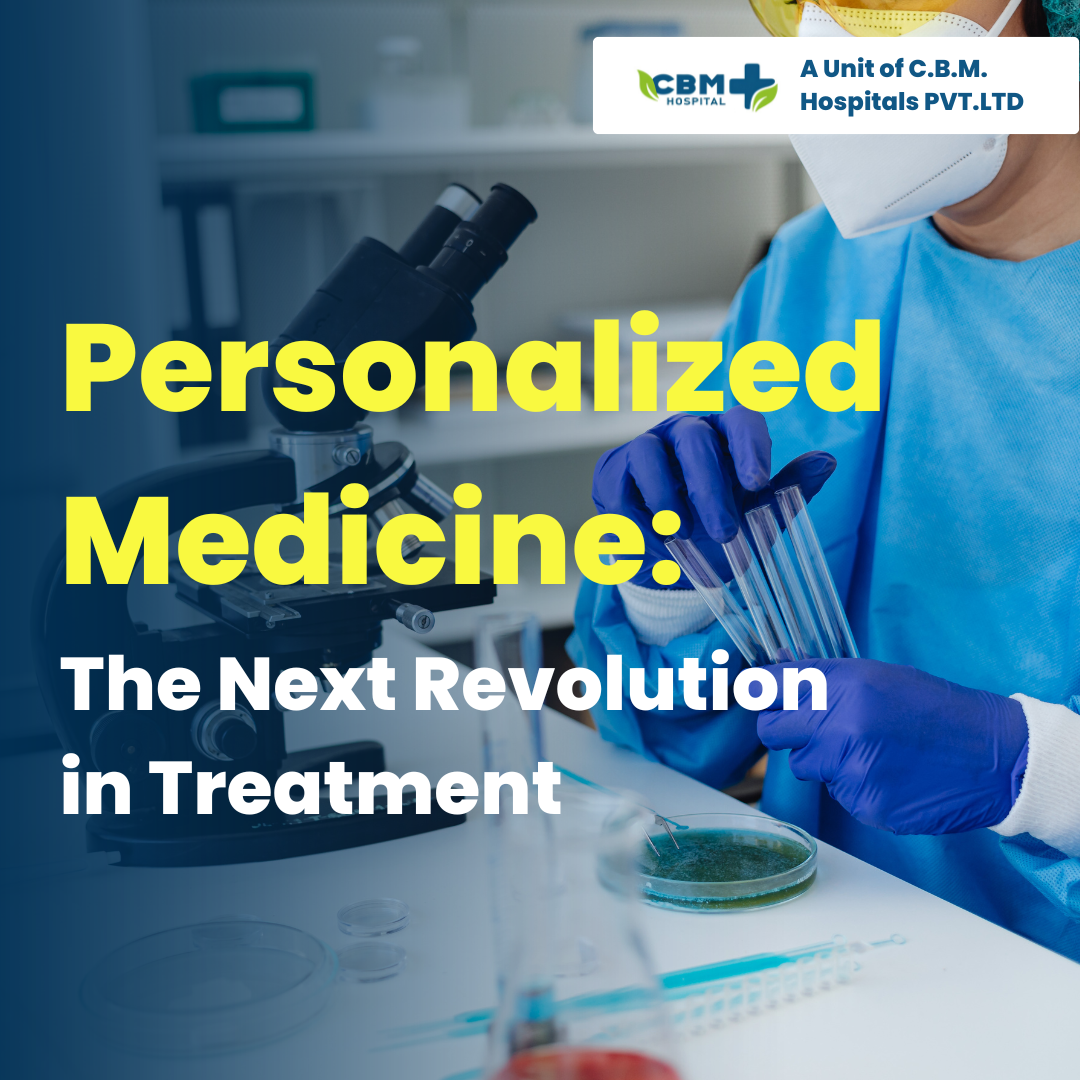
Personalized Medicine: The Next Revolution in Treatment-
Healthcare is becoming increasingly personalised. Instead of using the same treatment approach for every patient with the same disease, modern medicine is moving towards understanding the unique characteristics of each individual.
This approach is known as personalized medicine, also called precision medicine. It considers factors such as a person’s genetics, lifestyle, environment, medical history, and other health information to help doctors make more informed decisions about prevention, diagnosis, and treatment.
As medical science and technology continue to advance, personalized medicine may become an important part of the future of healthcare.
What Is Personalized Medicine?
Personalized medicine is a healthcare approach that aims to provide medical care based on the individual characteristics of a patient.
Traditional treatment approaches often follow general guidelines for people with the same condition. However, patients may respond differently to the same medicine or treatment.
Personalized medicine may consider:
- Genetic information
- Family medical history
- Age and gender
- Lifestyle factors
- Environmental exposure
- Existing medical conditions
- Response to previous treatments
By considering these factors, doctors may be able to develop a more individualised approach to patient care.
How Does Personalized Medicine Work?
Personalized medicine combines medical information with advanced technologies and scientific research.
Doctors and researchers may use information from:
- Genetic testing
- Blood tests
- Medical imaging
- Patient medical history
- Family health history
- Lifestyle information
- Molecular testing
This information may help healthcare professionals better understand a disease and identify treatment options that may be more suitable for a particular patient.
It is important to remember that personalized medicine is not appropriate or necessary for every patient or every medical condition. Its use depends on the specific clinical situation and the advice of qualified healthcare professionals.
The Role of Genetics in Personalized Treatment
Genetics can influence how a person develops certain diseases and how their body responds to specific medicines.
For example, genetic information may sometimes help doctors understand:
- A person’s risk of developing certain inherited conditions
- How a patient may respond to a particular medicine
- Whether certain treatments may be more suitable
- The likelihood of developing some diseases
Genetic information should always be interpreted by qualified healthcare professionals. Genetic testing does not automatically predict a person’s future health with certainty.
Personalized Medicine in Cancer Care
Cancer is one of the areas where personalized medicine has become particularly important.
Although two people may have cancer in the same organ, the biological characteristics of their cancers may be different. Molecular and genetic testing may help doctors understand specific features of certain cancers.
Depending on the type of cancer and available testing, this information may help doctors consider:
- Targeted therapies
- Specific treatment approaches
- Treatment response
- Potential treatment options
Cancer treatment decisions should always be made by qualified oncology professionals after evaluating the patient’s complete medical condition.
Personalized Medicine and Chronic Diseases
Personalized healthcare may also support the management of chronic conditions such as:
- Diabetes
- Heart disease
- High blood pressure
- Asthma
- Certain neurological conditions
Patients with the same diagnosis may have different risk factors, symptoms, treatment responses, and lifestyle needs.
By considering individual patient information, healthcare professionals can develop more appropriate and patient-focused management plans.
Benefits of Personalized Medicine
1. More Individualised Treatment
Personalized medicine focuses on the individual rather than relying only on a general treatment approach.
2. Better Understanding of Disease Risk
In certain situations, genetic and medical information may help identify potential risks and support preventive healthcare.
3. Improved Treatment Selection
Patient-specific information may help healthcare professionals consider which treatment options could be more suitable.
4. Reduced Unnecessary Treatment
In some cases, a more targeted approach may help reduce the use of treatments that are unlikely to benefit a particular patient.
5. More Informed Healthcare Decisions
Detailed information about a patient’s condition may support better communication and decision-making between doctors and patients.
Personalized Medicine and Preventive Healthcare
One of the important possibilities of personalized medicine is its role in disease prevention.
If a person has certain risk factors for a particular condition, healthcare professionals may recommend:
- Regular health screenings
- Lifestyle modifications
- Monitoring of specific health indicators
- Preventive medical care
However, having a genetic risk does not necessarily mean that a person will develop a particular disease. Risk assessment should always be discussed with a qualified medical professional.
Challenges of Personalized Medicine
Although personalized medicine offers significant potential, several challenges remain.
Cost and Accessibility
Advanced genetic and molecular testing may not be available or affordable for every patient.
Data Privacy
Genetic and medical information is highly personal. Proper protection and responsible use of patient data are essential.
Complexity of Medical Information
Genetic results can be complex and should be interpreted by trained healthcare professionals.
Ethical Considerations
The use of genetic information raises important questions about privacy, consent, data security, and responsible medical decision-making.
Will Personalized Medicine Replace Traditional Healthcare?
No. Personalized medicine is not a replacement for doctors or traditional medical care.
It is an approach that can complement:
- Medical history
- Physical examination
- Diagnostic testing
- Clinical expertise
- Patient preferences
The most effective healthcare decisions require a combination of scientific information and professional medical judgement.
The Future of Personalized Medicine
Advances in genetics, artificial intelligence, medical research, and diagnostic technology may continue to expand the role of personalized medicine.
In the future, healthcare may become increasingly focused on:
- Predicting disease risk
- Preventing illness
- Detecting disease earlier
- Selecting more suitable treatments
- Monitoring individual responses to treatment
The goal is to move healthcare towards a more precise, proactive, and patient-centred model.
Personalized Healthcare in Haldwani
As modern healthcare continues to evolve, patients increasingly seek hospitals that offer comprehensive medical care supported by experienced specialists and advanced diagnostic services. A Best Multispeciality Hospital in Haldwani, Uttarakhand can provide access to multiple medical specialties and coordinated healthcare services under one roof.
At Brij Lal Hospital & Research Centre, patient-focused healthcare combines medical expertise, diagnostic support, and comprehensive treatment services. As healthcare advances, technologies that support more individualised treatment may continue to contribute to improved patient care.
Conclusion
Personalized medicine represents an important development in modern healthcare. By considering a patient’s genetics, medical history, lifestyle, and other individual characteristics, healthcare professionals may be able to provide more informed and targeted approaches to prevention and treatment.
Although personalized medicine is still developing, it has the potential to transform healthcare by moving from a one-size-fits-all approach towards more individualised care.
For individuals searching for the best hospital in Haldwani, choosing a healthcare facility with experienced specialists, reliable diagnostic services, and a patient-centred approach is essential for comprehensive medical care.
The future of treatment may not be about finding one solution for everyone. Instead, it may focus on finding the right healthcare approach for each individual patient.
Always consult a qualified healthcare professional before undergoing genetic testing or making decisions about medical treatment.