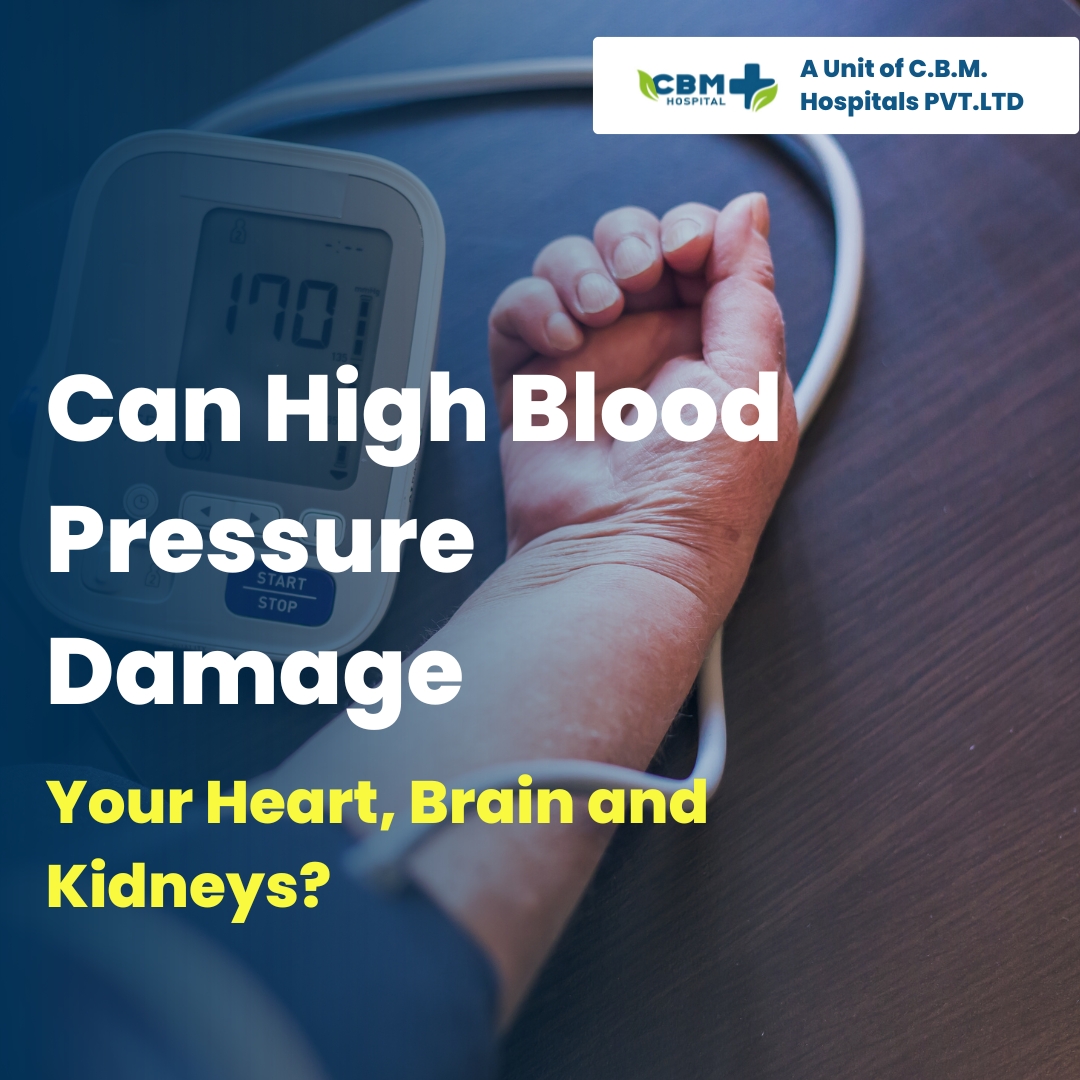
Can High Blood Pressure Damage Your Heart, Brain and Kidneys?
Yes. High blood pressure, or hypertension, can gradually damage the heart, brain, kidneys, and blood vessels if it remains uncontrolled. The concerning part is that hypertension often causes no obvious symptoms, so a person may feel perfectly well while damage is developing silently.
The good news is that controlling blood pressure can significantly reduce the risk of serious complications.
How Does High Blood Pressure Damage the Body?
Blood pressure is the force of blood pushing against the walls of your arteries. When this pressure remains too high for a long time, it puts continuous strain on blood vessels and organs.
Over time, this can cause arteries to become damaged or stiff and can make the heart work harder than it should.
High Blood Pressure and the Heart
Uncontrolled hypertension can make the heart work harder to pump blood. Over time, this extra workload may cause the heart muscle—particularly the left ventricle—to become thicker.
High blood pressure can increase the risk of:
- Coronary artery disease
- Heart attack
- Heart failure
- Enlargement or weakening of the heart
- Abnormal heart rhythms
It can also contribute to damage of the arteries that supply blood to the heart.
Can High Blood Pressure Damage the Brain?
Yes. The brain is highly dependent on a healthy blood supply, and prolonged high blood pressure can damage the blood vessels supplying it.
Hypertension increases the risk of:
- Stroke
- Transient ischemic attack (TIA)
- Small-vessel brain disease
- Cognitive impairment
- Vascular dementia
A sudden blockage or rupture of a blood vessel can cause a stroke, which is a medical emergency.
Warning signs such as sudden facial drooping, weakness or numbness on one side, difficulty speaking, sudden vision problems, or severe loss of balance require immediate medical attention.
How Does High Blood Pressure Affect the Kidneys?
The kidneys contain millions of tiny blood vessels that filter waste and excess fluid from the blood. High blood pressure can damage these delicate vessels and reduce kidney function over time.
Hypertension can contribute to:
- Chronic kidney disease
- Protein in the urine
- Progressive loss of kidney function
- Kidney failure in severe or advanced cases
There is also a two-way relationship: kidney disease can cause or worsen high blood pressure, while high blood pressure can further damage the kidneys.
Why Is High Blood Pressure Called a “Silent” Condition?
Many people with hypertension have no noticeable symptoms.
Headaches, dizziness, or fatigue can occur for many reasons and should not be relied upon to identify high blood pressure. The only reliable way to know your blood pressure is to measure it.
Regular blood pressure checks are particularly important if you have risk factors such as:
- Family history of hypertension
- Overweight or obesity
- Diabetes
- Kidney disease
- High-salt diet
- Physical inactivity
- Excessive alcohol consumption
- Tobacco use
How Can You Protect Your Heart, Brain and Kidneys?
The most important step is keeping blood pressure under control.
Helpful lifestyle measures include:
- Reduce excessive salt intake.
- Eat a balanced diet rich in vegetables, fruits, whole grains, and other nutritious foods.
- Exercise regularly.
- Maintain a healthy weight.
- Avoid smoking and tobacco.
- Limit alcohol.
- Get adequate sleep.
- Manage stress.
- Take prescribed blood-pressure medicines consistently.
If medication has been prescribed, do not stop it simply because your blood pressure has improved. Treatment decisions should be made with your doctor.
How Is High Blood Pressure Monitored?
Your doctor may recommend regular blood pressure measurements at home or in a healthcare setting. In some cases, ambulatory blood pressure monitoring may be used to measure blood pressure over an extended period.
Depending on your health and risk factors, your doctor may also check:
- Blood sugar
- Cholesterol
- Kidney function
- Urine protein
- Heart health
These assessments help identify early organ damage and other cardiovascular risk factors.
When Should You Seek Medical Help?
If your blood pressure is repeatedly above your recommended range, arrange a medical evaluation rather than waiting for symptoms.
Very high blood pressure accompanied by chest pain, severe shortness of breath, confusion, weakness or numbness, difficulty speaking, vision changes, or other sudden neurological symptoms requires urgent medical attention.
Hypertension Care at Brij Lal Hospital
At Brij Lal Hospital, patients can receive comprehensive evaluation and management of hypertension and related cardiovascular risk factors. Our multidisciplinary medical team can assess blood pressure, identify associated conditions, and develop an individualized treatment plan.
For people looking for the Best Multispeciality Hospital in Haldwani- Uttarakhand, comprehensive assessment is important because uncontrolled hypertension can affect multiple organs, including the heart, brain, and kidneys.
Patients searching for the best hospital in Haldwani Uttarakhand can seek specialist consultations, diagnostic evaluation, preventive healthcare, and long-term management of hypertension and cardiovascular conditions.
Frequently Asked Questions
Can high blood pressure be reversed?
Blood pressure can often be significantly improved through lifestyle changes and, when needed, medication. Whether treatment can eventually be reduced or stopped depends on the individual and should only be decided by a doctor.
Can high blood pressure cause kidney failure?
Long-term uncontrolled hypertension can damage the kidneys and contribute to chronic kidney disease. In advanced cases, severe kidney damage can lead to kidney failure.
Can high blood pressure cause a heart attack?
Yes. Hypertension is an important risk factor for coronary artery disease and heart attack.
Does high blood pressure always have symptoms?
No. Hypertension frequently has no symptoms, which is why regular blood pressure measurement is important.
Conclusion
High blood pressure is more than just a number on a blood-pressure monitor. When left uncontrolled for years, it can damage blood vessels and increase the risk of heart disease, stroke, cognitive problems, kidney disease, and other serious complications.
Because hypertension can remain silent, regular monitoring and early treatment are essential. A healthy lifestyle, appropriate medication, and routine medical follow-up can help protect your heart, brain, kidneys, and overall health.