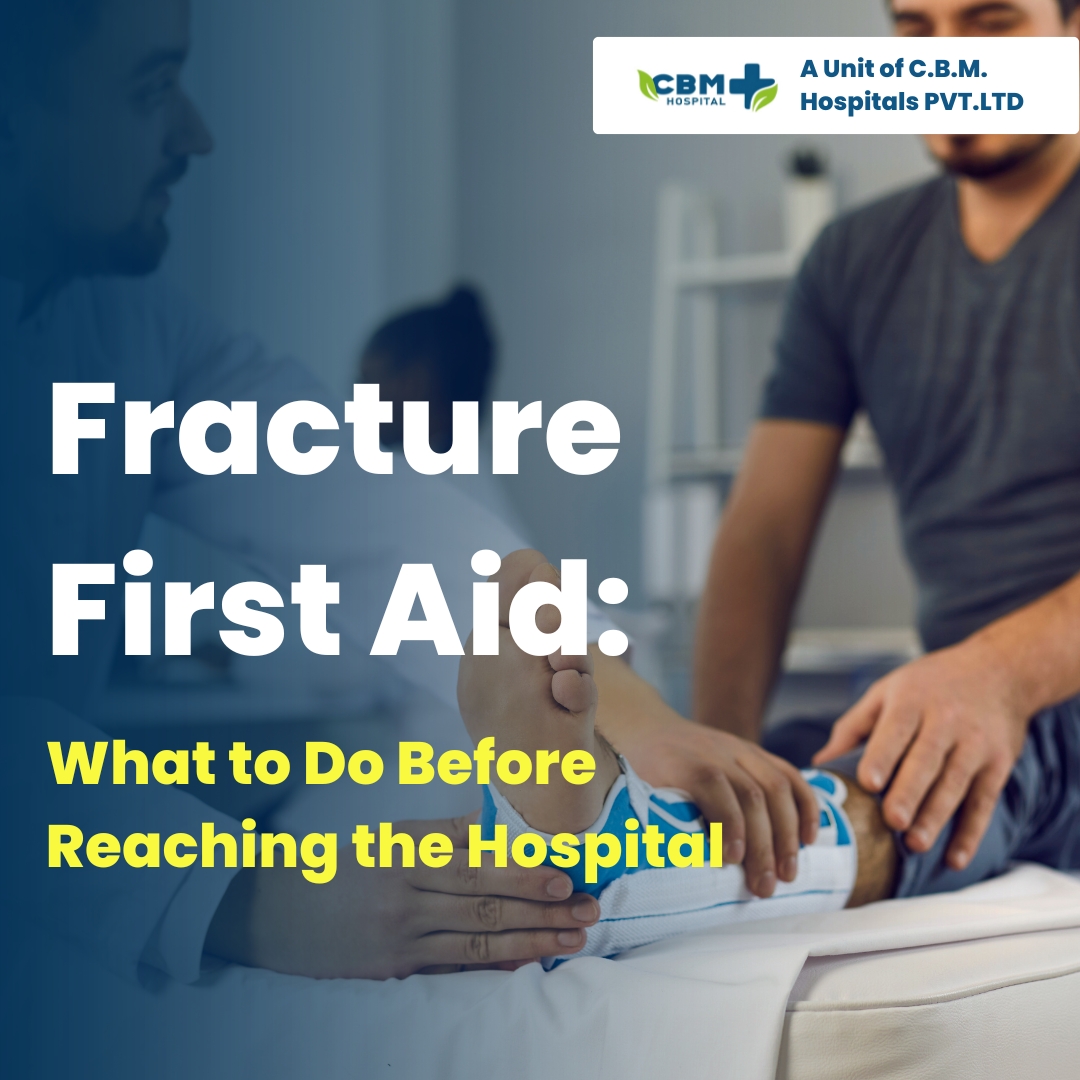
A fracture, or broken bone, can happen because of a fall, road accident, sports injury, or a direct blow. Knowing what to do immediately after a suspected fracture can help prevent further injury and reduce pain while waiting for medical care.
The most important rule is simple: keep the injured area still and get medical attention as soon as possible.
How Do You Know If It May Be a Fracture?
A broken bone may cause:
- Severe pain
- Swelling and bruising
- Difficulty moving the injured limb
- Inability to put weight on the limb
- An unusual shape or deformity
- Tenderness around the injury
- A grinding or snapping sensation
- Numbness or tingling
Sometimes a fracture is not obvious, so an injury should be medically assessed when there is significant pain, swelling, or difficulty using the affected body part.
What Should You Do Immediately?
1. Keep the Person Still
Do not unnecessarily move the injured person, particularly if a serious accident may have caused injuries to the head, neck, back, or spine.
If possible, keep the injured limb in the position in which you found it.
2. Immobilize the Injured Area
Try to prevent unnecessary movement.
A splint can sometimes be used to support the injured limb, but it should be applied carefully and without trying to straighten the bone.
If you are unsure how to splint the injury, it is safer to keep the area supported and seek professional medical help.
3. Do Not Try to Straighten the Bone
Never attempt to push a visibly displaced bone back into position.
Trying to straighten a fracture can damage nearby nerves, blood vessels, muscles, and other tissues.
4. Control External Bleeding
If the fracture is open and there is bleeding, cover the wound with a clean dressing or cloth and apply gentle pressure around the wound to control bleeding.
Do not push directly on exposed bone.
An open fracture requires urgent medical attention because of the increased risk of infection and tissue damage.
5. Apply a Cold Pack
A cold pack wrapped in a cloth can be applied around the injured area to help reduce swelling and pain.
Avoid placing ice directly against the skin, and do not apply it for prolonged periods.
6. Check Circulation
Look for signs that blood flow may be compromised, such as:
- Pale or bluish skin
- A cold limb
- Increasing numbness
- Tingling
- Weak or absent pulse when appropriately assessed
These can indicate a serious injury and require urgent medical attention.
What Should You NOT Do?
Avoid these common mistakes:
- Don’t try to straighten the bone.
- Don’t massage the injured area.
- Don’t force the person to walk on an injured limb.
- Don’t push an exposed bone back under the skin.
- Don’t apply ice directly to the skin.
- Don’t give food or drink if emergency surgery may be required, unless medical professionals advise otherwise.
When Is a Fracture an Emergency?
Seek emergency medical care immediately if there is:
- A visibly deformed limb
- An open fracture or exposed bone
- Heavy or uncontrolled bleeding
- Loss of sensation
- A cold, pale, or blue limb
- Severe swelling or pain
- Suspected injury to the head, neck, or spine
- Difficulty breathing or loss of consciousness after major trauma
A serious accident can involve internal injuries even when the fracture itself appears minor.
What Happens at the Hospital?
Once you reach the hospital, a doctor will examine the injury and assess circulation, sensation, and movement.
Imaging—usually an X-ray—may be performed to determine whether a bone is broken and whether it has moved out of its normal position. More complex injuries may require CT or MRI imaging.
Treatment depends on the type and location of the fracture and may include:
- Splinting or casting
- Reduction to realign the bone
- Internal fixation with plates, screws, or rods
- Surgery for certain complex fractures
- Physiotherapy and rehabilitation
Fracture Care at Brij Lal Hospital
At Brij Lal Hospital, patients with suspected fractures and orthopedic injuries can receive timely assessment, diagnostic imaging, orthopedic consultation, and appropriate treatment. The orthopedic team can evaluate the severity of the injury and determine whether conservative treatment or surgery is required.
For patients searching for the Best Multispeciality Hospital in Haldwani- Uttarakhand, access to emergency evaluation, diagnostic facilities, and orthopedic expertise is important when dealing with fractures and traumatic injuries.
Patients looking for the best hospital in Haldwani Uttarakhand can seek comprehensive orthopedic care, from initial diagnosis through treatment and rehabilitation.
Frequently Asked Questions
Should you move someone with a suspected fracture?
Avoid unnecessary movement of the injured area. After a major accident, do not move the person unless necessary for immediate safety, particularly if a spinal injury is possible.
Should you put ice on a fracture?
A cold pack wrapped in cloth can help reduce pain and swelling. Never place ice directly on the skin.
Can you walk on a fractured foot?
Do not put weight on an injured foot unless a healthcare professional has determined that it is safe. Some fractures may allow limited weight-bearing, while others require complete immobilization.
Does every fracture require surgery?
No. Many fractures can be treated with immobilization, such as a cast or splint. Surgery is considered when the fracture is unstable, significantly displaced, open, or otherwise requires surgical fixation.
Conclusion
Knowing basic fracture first aid can help protect the injured area until professional care is available. Keep the injury still, control bleeding if present, use a wrapped cold pack for swelling, and never attempt to straighten or reposition a broken bone.
Most importantly, seek medical evaluation promptly after a suspected fracture. Proper diagnosis and timely treatment can reduce complications and help the bone heal correctly.