Can High Blood Pressure Damage Your Heart, Brain and Kidneys?-
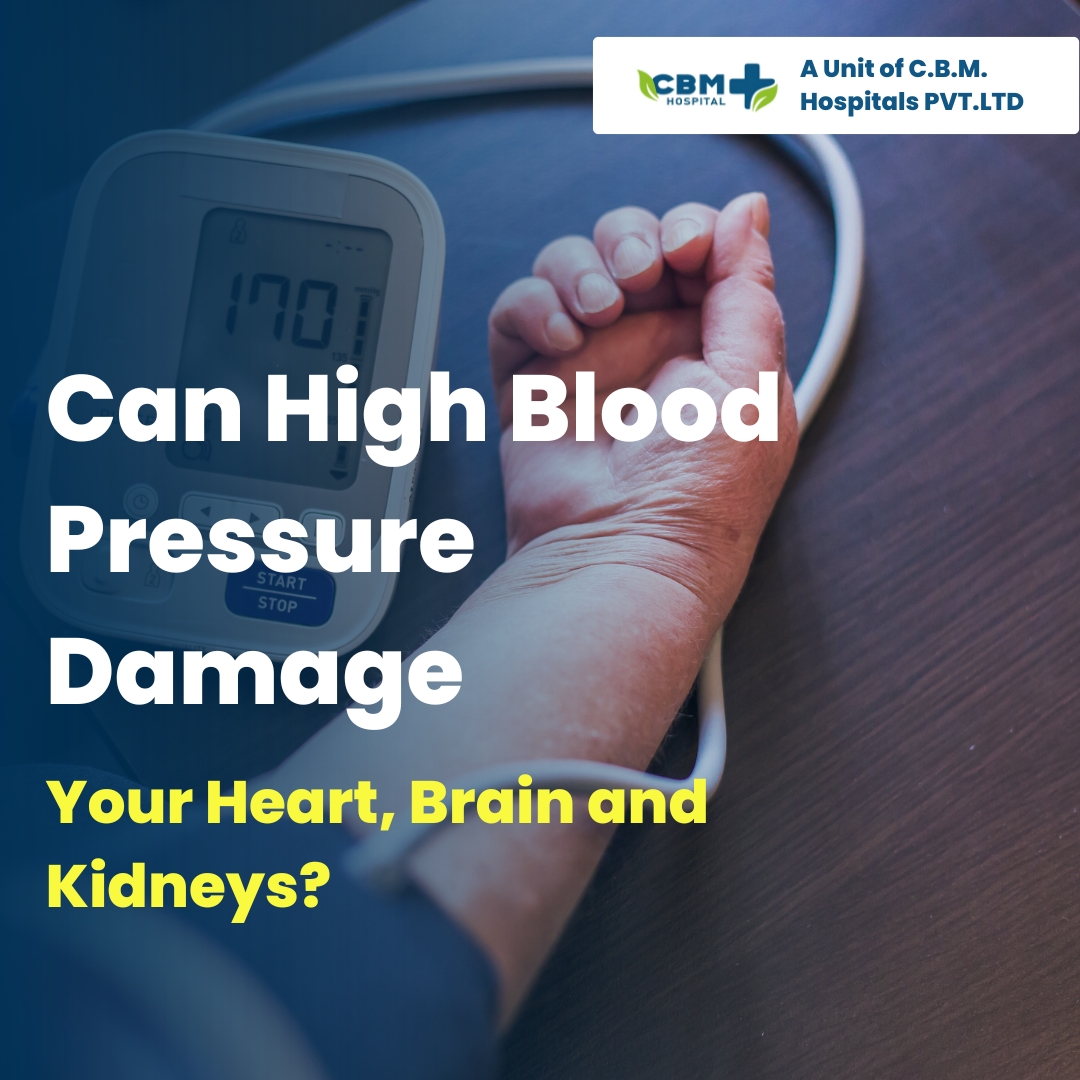
Can High Blood Pressure Damage Your Heart, Brain and Kidneys? Yes. High blood pressure, or hypertension, can gradually damage the heart, brain, kidneys, and blood vessels if it remains uncontrolled. The concerning part is that hypertension often causes no obvious symptoms, so a person may feel perfectly well while damage is developing silently. The good news is that controlling blood pressure can significantly reduce the risk of serious complications. How Does High Blood Pressure Damage the Body? Blood pressure is the force of blood pushing against the walls of your arteries. When this pressure remains too high for a long time, it puts continuous strain on blood vessels and organs. Over time, this can cause arteries to become damaged or stiff and can make the heart work harder than it should. High Blood Pressure and the Heart Uncontrolled hypertension can make the heart work harder to pump blood. Over time, this extra workload may cause the heart muscle—particularly the left ventricle—to become thicker. High blood pressure can increase the risk of: Coronary artery disease Heart attack Heart failure Enlargement or weakening of the heart Abnormal heart rhythms It can also contribute to damage of the arteries that supply blood to the heart. Can High Blood Pressure Damage the Brain? Yes. The brain is highly dependent on a healthy blood supply, and prolonged high blood pressure can damage the blood vessels supplying it. Hypertension increases the risk of: Stroke Transient ischemic attack (TIA) Small-vessel brain disease Cognitive impairment Vascular dementia A sudden blockage or rupture of a blood vessel can cause a stroke, which is a medical emergency. Warning signs such as sudden facial drooping, weakness or numbness on one side, difficulty speaking, sudden vision problems, or severe loss of balance require immediate medical attention. How Does High Blood Pressure Affect the Kidneys? The kidneys contain millions of tiny blood vessels that filter waste and excess fluid from the blood. High blood pressure can damage these delicate vessels and reduce kidney function over time. Hypertension can contribute to: Chronic kidney disease Protein in the urine Progressive loss of kidney function Kidney failure in severe or advanced cases There is also a two-way relationship: kidney disease can cause or worsen high blood pressure, while high blood pressure can further damage the kidneys. Why Is High Blood Pressure Called a “Silent” Condition? Many people with hypertension have no noticeable symptoms. Headaches, dizziness, or fatigue can occur for many reasons and should not be relied upon to identify high blood pressure. The only reliable way to know your blood pressure is to measure it. Regular blood pressure checks are particularly important if you have risk factors such as: Family history of hypertension Overweight or obesity Diabetes Kidney disease High-salt diet Physical inactivity Excessive alcohol consumption Tobacco use How Can You Protect Your Heart, Brain and Kidneys? The most important step is keeping blood pressure under control. Helpful lifestyle measures include: Reduce excessive salt intake. Eat a balanced diet rich in vegetables, fruits, whole grains, and other nutritious foods. Exercise regularly. Maintain a healthy weight. Avoid smoking and tobacco. Limit alcohol. Get adequate sleep. Manage stress. Take prescribed blood-pressure medicines consistently. If medication has been prescribed, do not stop it simply because your blood pressure has improved. Treatment decisions should be made with your doctor. How Is High Blood Pressure Monitored? Your doctor may recommend regular blood pressure measurements at home or in a healthcare setting. In some cases, ambulatory blood pressure monitoring may be used to measure blood pressure over an extended period. Depending on your health and risk factors, your doctor may also check: Blood sugar Cholesterol Kidney function Urine protein Heart health These assessments help identify early organ damage and other cardiovascular risk factors. When Should You Seek Medical Help? If your blood pressure is repeatedly above your recommended range, arrange a medical evaluation rather than waiting for symptoms. Very high blood pressure accompanied by chest pain, severe shortness of breath, confusion, weakness or numbness, difficulty speaking, vision changes, or other sudden neurological symptoms requires urgent medical attention. Hypertension Care at Brij Lal Hospital At Brij Lal Hospital, patients can receive comprehensive evaluation and management of hypertension and related cardiovascular risk factors. Our multidisciplinary medical team can assess blood pressure, identify associated conditions, and develop an individualized treatment plan. For people looking for the Best Multispeciality Hospital in Haldwani- Uttarakhand, comprehensive assessment is important because uncontrolled hypertension can affect multiple organs, including the heart, brain, and kidneys. Patients searching for the best hospital in Haldwani Uttarakhand can seek specialist consultations, diagnostic evaluation, preventive healthcare, and long-term management of hypertension and cardiovascular conditions. Frequently Asked Questions Can high blood pressure be reversed? Blood pressure can often be significantly improved through lifestyle changes and, when needed, medication. Whether treatment can eventually be reduced or stopped depends on the individual and should only be decided by a doctor. Can high blood pressure cause kidney failure? Long-term uncontrolled hypertension can damage the kidneys and contribute to chronic kidney disease. In advanced cases, severe kidney damage can lead to kidney failure. Can high blood pressure cause a heart attack? Yes. Hypertension is an important risk factor for coronary artery disease and heart attack. Does high blood pressure always have symptoms? No. Hypertension frequently has no symptoms, which is why regular blood pressure measurement is important. Conclusion High blood pressure is more than just a number on a blood-pressure monitor. When left uncontrolled for years, it can damage blood vessels and increase the risk of heart disease, stroke, cognitive problems, kidney disease, and other serious complications. Because hypertension can remain silent, regular monitoring and early treatment are essential. A healthy lifestyle, appropriate medication, and routine medical follow-up can help protect your heart, brain, kidneys, and overall health.  
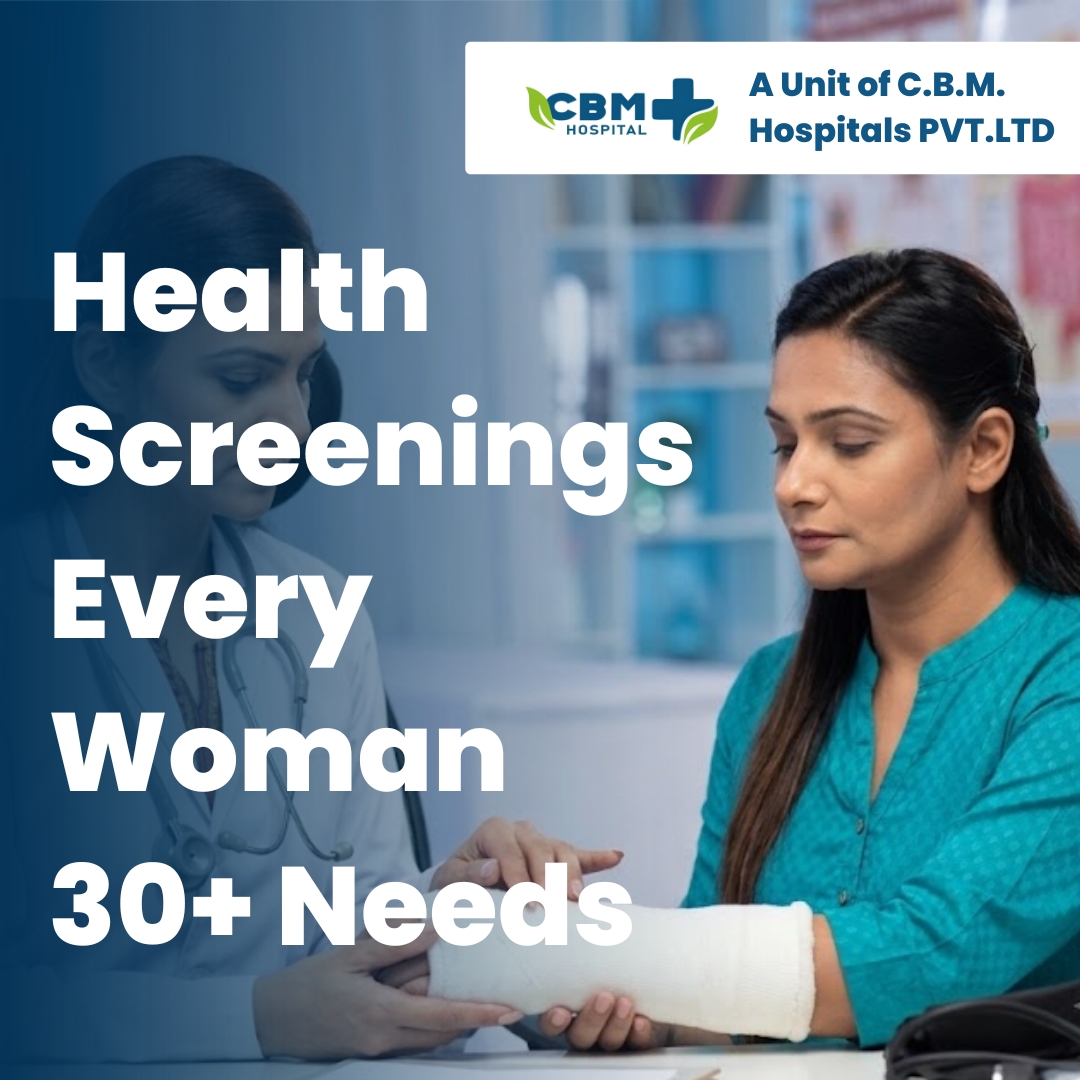
Essential Health Screenings Every Woman Needs After 30

Health Screenings Every Woman 30+ Needs- Introduction Turning 30 is an important milestone in a woman’s life and often brings new responsibilities and lifestyle changes. During this stage, maintaining good health becomes increasingly important, as certain medical conditions can develop silently without noticeable symptoms. Many health issues, including high blood pressure, diabetes, thyroid disorders, and certain types of cancer, may not show early warning signs. Regular health screenings can help identify potential concerns before they become serious and allow for timely treatment and better health outcomes. Preventive healthcare plays a crucial role in improving quality of life and reducing the risk of long-term complications. By scheduling routine health checkups and following healthy lifestyle habits, women can take proactive steps toward protecting their physical and emotional well-being. Why Are Health Screenings Important After 30? As women age, the body’s nutritional, hormonal, and metabolic needs change. Factors such as stress, sedentary lifestyles, unhealthy eating habits, and family history can increase the risk of various medical conditions. Regular health screenings help in: Detecting diseases at an early stage Identifying risk factors before complications arise Monitoring overall health and wellness Providing timely medical intervention Encouraging healthy lifestyle modifications Early detection often leads to more effective treatment and improved long-term health. Essential Health Screenings Every Woman Needs After 30  1. Blood Pressure Screening High blood pressure is often called a silent condition because it may not cause noticeable symptoms. Uncontrolled blood pressure can increase the risk of heart disease, stroke, and kidney problems. Regular monitoring helps identify abnormalities early and supports better heart health. 2. Blood Sugar Test Diabetes is becoming increasingly common among younger adults. A blood sugar test can help detect prediabetes and diabetes at an early stage, allowing individuals to make lifestyle changes and receive appropriate treatment if necessary. 3. Cholesterol Screening High cholesterol can lead to plaque buildup in the arteries and increase the risk of cardiovascular disease. Regular cholesterol checks help evaluate heart health and identify the need for preventive measures. 4. Thyroid Function Test Thyroid disorders are common among women and can affect metabolism, energy levels, menstrual cycles, and emotional well-being. Symptoms such as unexplained weight changes, fatigue, and hair loss should not be ignored. 5. Cervical Cancer Screening Cervical cancer screening plays an important role in detecting abnormal changes in the cervix before they develop into cancer. Routine screening and timely medical intervention can significantly improve outcomes. 6. Breast Health Screening Regular breast examinations and recommended screening tests help identify breast abnormalities at an early stage. Women should also be aware of changes such as lumps, skin changes, or unusual discharge and seek medical advice when necessary. 7. Bone Health Assessment Bone density gradually decreases with age, increasing the risk of osteoporosis and fractures. Women with risk factors such as nutritional deficiencies, hormonal changes, or a family history of osteoporosis should discuss bone health evaluations with their healthcare provider. 8. Body Mass Index and Weight Assessment Maintaining a healthy weight is essential for preventing several chronic conditions, including diabetes, heart disease, and joint problems. Regular assessment of body weight and body mass index helps identify potential health risks. 9. Eye Examination Eye health can be affected by aging, diabetes, prolonged screen time, and other medical conditions. Routine eye examinations help detect vision problems and other underlying health concerns. 10. Dental Checkups Oral health is closely connected to overall health. Regular dental examinations can help identify gum disease, infections, and other conditions that may affect general well-being. Who Should Prioritize Regular Health Screenings? Although every woman can benefit from preventive healthcare, regular screenings become especially important for individuals who have: A family history of diabetes, hypertension, or cancer Obesity or an inactive lifestyle High levels of stress Hormonal disorders Previous medical conditions requiring ongoing monitoring Personalized screening recommendations may vary based on age, medical history, and individual risk factors. How Often Should Women Get Health Screenings? The frequency of health screenings depends on several factors, including age, family history, and existing medical conditions. Some tests may be recommended annually, while others may be performed at different intervals based on individual healthcare needs. Consulting a healthcare professional can help determine an appropriate preventive health plan and ensure timely monitoring of overall well-being. Tips for Maintaining Good Health After 30 Adopting healthy habits can significantly improve long-term health and reduce the risk of chronic diseases. Women should focus on: Eating a balanced and nutritious diet Engaging in regular physical activity Managing stress effectively Maintaining a healthy body weight Getting adequate sleep Avoiding smoking and excessive alcohol consumption Scheduling routine preventive health checkups Simple lifestyle changes combined with regular health screenings can contribute to better health and improved quality of life. Why Choose Brij Lal Hospital & Research Centre? Preventive healthcare and early diagnosis are essential for maintaining long-term wellness. Brij Lal Hospital & Research Centre provides comprehensive healthcare services with experienced specialists and advanced diagnostic facilities to support women’s health needs. Our commitment to quality care and patient-centered services has made us the Best Multispeciality Hospital in Haldwani- Uttarakhand and a trusted destination for individuals seeking the best hospital in haldwani. Conclusion Women over the age of 30 should prioritize preventive healthcare and regular health screenings to detect potential health concerns before they become serious. Routine evaluations of blood pressure, blood sugar, cholesterol, thyroid function, cervical health, and overall wellness can significantly improve long-term health outcomes.   If you are above 30 and want to take a proactive approach toward your health, schedule a preventive health checkup at Brij Lal Hospital & Research Centre. Early detection and timely medical care can help you maintain a healthier and more fulfilling life.