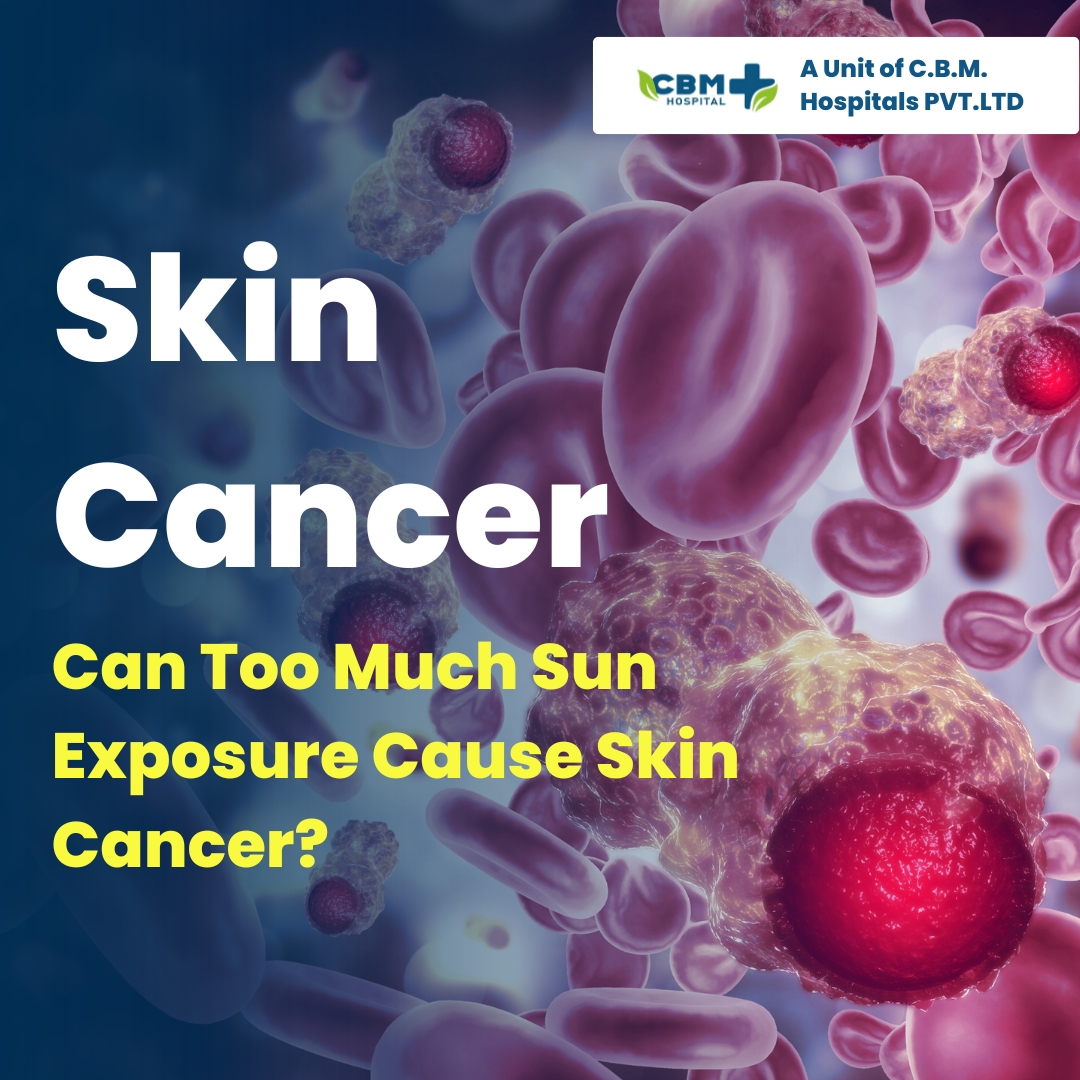
Yes. Too much exposure to ultraviolet (UV) radiation from the sun can increase the risk of skin cancer. UV radiation can damage the DNA in skin cells. Over time, repeated or intense exposure can cause abnormal cells to grow uncontrollably and potentially develop into skin cancer.
The good news is that many sun-related risk factors can be reduced through simple sun-protection habits and regular skin checks.
How Does Sun Exposure Cause Skin Cancer?
Sunlight contains two types of UV radiation that are particularly important for skin health:
- UVA: Can contribute to premature skin aging and DNA damage.
- UVB: Causes sunburn and directly damages skin-cell DNA.
Repeated UV exposure can cause cumulative cellular damage. Severe sunburns, particularly during childhood and adolescence, can also contribute to a person’s lifetime skin cancer risk.
Types of Skin Cancer
The three major types of skin cancer are:
1. Basal Cell Carcinoma
Basal cell carcinoma is the most common type of skin cancer. It often develops on areas that receive significant sun exposure, such as the face, ears, neck, and hands.
It may appear as a pearly bump, a persistent sore, or a lesion that repeatedly bleeds or heals and returns.
2. Squamous Cell Carcinoma
Squamous cell carcinoma can also develop on sun-exposed skin. It may appear as a rough, scaly patch, a firm growth, or a sore that does not heal.
3. Melanoma
Melanoma develops from pigment-producing cells called melanocytes. It is less common than basal or squamous cell carcinoma but can be more aggressive and spread to other parts of the body.
Who Is at Higher Risk?
The risk of skin cancer can be higher in people who have:
- Frequent or prolonged sun exposure
- A history of repeated sunburns
- Fair skin that burns easily
- Numerous or unusual moles
- A personal or family history of skin cancer
- A weakened immune system
- Regular exposure to tanning beds
However, people of all skin tones can develop skin cancer, so sun protection and awareness remain important for everyone.
Warning Signs of Skin Cancer
See a doctor if you notice a new or changing skin lesion, particularly one that:
- Changes in size, shape, or color
- Has an irregular border
- Contains multiple colors
- Continues to grow
- Bleeds or develops a crust
- Itches or hurts persistently
- Does not heal
For melanoma, the ABCDE rule can be useful:
- A – Asymmetry: One half does not match the other.
- B – Border: Edges are irregular or poorly defined.
- C – Color: Uneven or multiple colors.
- D – Diameter: Larger than about 6 mm can be concerning, although melanomas may be smaller.
- E – Evolving: Any mole or spot that changes over time.
How Can You Protect Your Skin?
You can reduce UV exposure by:
- Avoiding prolonged direct sunlight, particularly around midday.
- Wearing long-sleeved clothing and a wide-brimmed hat.
- Using broad-spectrum sunscreen with an appropriate SPF.
- Reapplying sunscreen as directed, especially after swimming or sweating.
- Wearing UV-protective sunglasses.
- Avoiding tanning beds.
- Protecting children from excessive sun exposure and sunburn.
Remember, sunscreen should be used along with, rather than instead of, shade and protective clothing.
When Should You See a Dermatologist?
Make an appointment if you notice a new, changing, bleeding, or non-healing skin lesion. A dermatologist can examine the area and, when necessary, perform a biopsy to determine whether it is cancerous.
Early detection is particularly important because many skin cancers can be treated successfully when diagnosed early.
Skin Cancer Care at Brij Lal Hospital
At Brij Lal Hospital, patients can receive specialist evaluation for suspicious skin lesions and other dermatological concerns. Appropriate examination and diagnostic testing can help identify skin cancers at an early stage and guide further treatment.
For people looking for the Best Multispeciality Hospital in Haldwani- Uttarakhand, access to experienced specialists and comprehensive diagnostic services can support timely evaluation of concerning skin changes. Patients searching for the best hospital in Haldwani Uttarakhand can seek coordinated medical care and specialist guidance.
Frequently Asked Questions
Can one sunburn cause skin cancer?
A single sunburn does not mean that you will develop skin cancer. However, sunburn—particularly repeated or severe sunburns—can damage skin DNA and increase lifetime skin cancer risk.
Does sunscreen completely prevent skin cancer?
No. Sunscreen helps reduce UV exposure but does not provide complete protection. Seeking shade, wearing protective clothing, and avoiding excessive sun exposure are also important.
Can dark-skinned people get skin cancer?
Yes. Melanin provides some natural protection against UV radiation, but it does not eliminate the risk. Skin cancer can occur in people of all skin tones.
Is every unusual mole cancerous?
No. Many moles and skin growths are harmless. However, a new or changing lesion should be evaluated by a healthcare professional.
Conclusion
Excessive and repeated sun exposure is an important risk factor for skin cancer. Protecting your skin from UV radiation, avoiding tanning beds, monitoring existing moles, and getting suspicious skin changes checked early can help reduce risk and improve the chances of successful treatment.
If you notice a skin spot that is changing, bleeding, growing, or failing to heal, don’t ignore it—consult a qualified dermatologist or healthcare professional.