
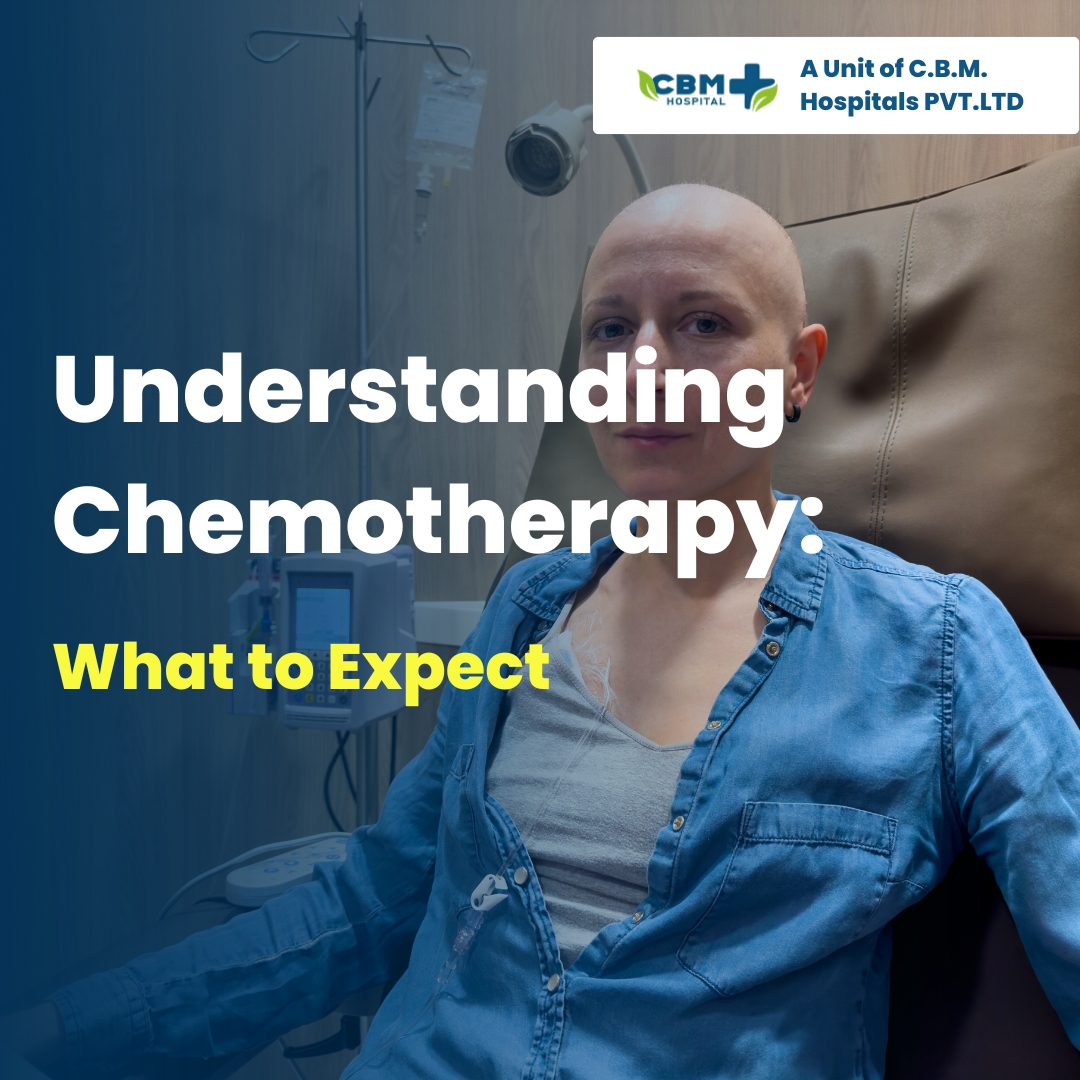
A diagnosis of cancer can bring many questions, especially when chemotherapy becomes part of the treatment plan. Chemotherapy uses medicines to destroy cancer cells or slow their growth. It may be used alone or alongside surgery, radiation therapy, targeted therapy, or immunotherapy.
Knowing what chemotherapy involves, what side effects may occur, and how treatment is monitored can help patients and families feel more prepared.
What Is Chemotherapy?
Chemotherapy is a cancer treatment that uses medicines designed to kill cancer cells or prevent them from multiplying.
Depending on the type and stage of cancer, chemotherapy may be used to:
- Destroy cancer cells
- Shrink a tumor before surgery or radiation
- Reduce the risk of cancer returning after surgery
- Control cancer that has spread
- Relieve symptoms caused by advanced cancer
The medicines used and the treatment schedule vary depending on the individual cancer.
How Is Chemotherapy Given?
Chemotherapy can be administered in different ways, including:
- Intravenously (IV): Through a vein, sometimes using a port or catheter
- Orally: As tablets or capsules
- Injection: Into a muscle or under the skin in selected situations
- Topically: For certain cancers affecting the skin
- Other routes: Depending on the specific cancer and medication
Your oncologist will explain which approach is appropriate for your treatment.
What Happens During a Chemotherapy Session?
Before treatment, your healthcare team may check your:
- Blood counts
- Kidney and liver function
- Weight and vital signs
- Overall health and symptoms
You may receive medicines before chemotherapy to help prevent nausea, allergic reactions, or other side effects.
The chemotherapy itself may take anywhere from minutes to several hours, depending on the medicines being administered.
Some patients can go home after treatment, while others may require hospitalization depending on their condition and treatment plan.
What Are Chemotherapy Cycles?
Chemotherapy is commonly given in cycles. A treatment period is followed by a recovery period, allowing healthy cells and the body to recover.
For example, a patient may receive treatment on a particular day and then have several days or weeks before the next cycle.
The number of cycles depends on the type of cancer, treatment goal, response to therapy, and overall health.
Common Side Effects of Chemotherapy
Chemotherapy affects rapidly dividing cells, which means some healthy cells can also be affected.
Possible side effects include:
- Fatigue
- Nausea or vomiting
- Loss of appetite
- Hair loss
- Mouth sores
- Changes in taste
- Constipation or diarrhea
- Lowered blood-cell counts
- Increased risk of infection
- Skin or nail changes
Not everyone experiences the same side effects. Some patients have only mild symptoms, while others may experience more significant effects.
Does Chemotherapy Always Cause Hair Loss?
No. Hair loss depends on the specific chemotherapy medicines and doses being used.
Some treatments cause complete hair loss, while others may cause only mild thinning or no significant hair loss. Your oncology team can explain what to expect with your particular treatment.
How Can Chemotherapy Side Effects Be Managed?
Your medical team can prescribe medicines and recommend supportive measures to manage many side effects.
Helpful strategies may include:
- Eating small, frequent meals
- Drinking adequate fluids as advised
- Getting enough rest
- Staying physically active when your doctor says it is safe
- Maintaining good oral hygiene
- Avoiding people who are sick when your immune system is weakened
- Following your prescribed medications carefully
Never start supplements, herbal remedies, or alternative treatments without discussing them with your oncologist because some can interfere with cancer medicines.
When Should You Contact Your Doctor?
During chemotherapy, contact your cancer-care team promptly if you develop symptoms such as:
- Fever or chills
- Difficulty breathing
- Persistent vomiting or diarrhea
- Severe weakness
- Unusual bleeding or bruising
- Signs of infection
- Severe pain
- Confusion or significant changes in your condition
Your oncology team should provide specific instructions about when to seek urgent care because risks vary depending on your treatment.
Can You Continue Normal Activities During Chemotherapy?
Many patients continue some normal activities during treatment, although energy levels may fluctuate.
Depending on your health and treatment plan, you may be able to:
- Work with adjustments
- Take short walks
- Continue light exercise
- Spend time with family
- Maintain hobbies
Listen to your body and discuss activity levels with your healthcare team.
Nutrition During Chemotherapy
Good nutrition can help support strength and recovery.
Try to include appropriate amounts of:
- Protein
- Fruits and vegetables, when safe
- Whole grains
- Healthy fats
- Adequate fluids
If eating becomes difficult because of nausea, mouth sores, or changes in taste, a doctor or oncology dietitian can provide individualized advice.
Emotional Health During Chemotherapy
Cancer treatment can affect emotional well-being as well as physical health. Patients may experience anxiety, sadness, frustration, or fear about the future.
Support from family, friends, counselors, support groups, psychologists, or other professionals can be valuable. Tell your healthcare team if emotional symptoms are interfering with sleep, appetite, relationships, or daily activities.
Chemotherapy at Brij Lal Hospital
At Brij Lal Hospital, cancer patients can receive coordinated oncology care that includes evaluation, treatment planning, chemotherapy, monitoring, and supportive care. Our multidisciplinary approach allows specialists to consider the patient’s cancer type, treatment goals, overall health, and individual needs.
For patients looking for the Best Multispeciality Hospital in Haldwani- Uttarakhand, experienced oncology specialists and appropriate diagnostic and supportive services are important when undergoing cancer treatment.
Patients searching for the best hospital in Haldwani Uttarakhand can seek comprehensive cancer care and personalized treatment guidance.
Frequently Asked Questions
Is chemotherapy painful?
The chemotherapy medicine itself does not always cause pain. If it is given through an IV, you may feel a needle prick or some discomfort. Tell the healthcare team immediately if you experience burning, significant pain, or swelling during an infusion.
How long does chemotherapy take?
Treatment duration varies. Some sessions may take less than an hour, while others can take several hours. The overall course may last weeks or months depending on the cancer and treatment plan.
Can chemotherapy cure cancer?
Chemotherapy can cure some cancers, while in other cases it is used to control the disease, reduce recurrence risk, or relieve symptoms. Its purpose depends on the individual cancer.
Will I have side effects?
Side effects vary considerably. Some people experience several side effects, while others have relatively few. Your oncology team will monitor you and help manage symptoms.
Can I eat normally during chemotherapy?
Many patients can continue eating normally, but appetite, taste, nausea, or mouth sores may affect eating. Your healthcare team can recommend dietary adjustments based on your symptoms.
Conclusion
Chemotherapy can be an important and highly effective part of cancer treatment, but every patient’s experience is different. Understanding the treatment schedule, possible side effects, warning signs, and available supportive care can make the process easier to navigate.
If chemotherapy has been recommended for you or a family member, discuss the treatment plan, expected benefits, possible side effects, and questions with your oncologist. Good communication with your cancer-care team is one of the most important parts of treatment.