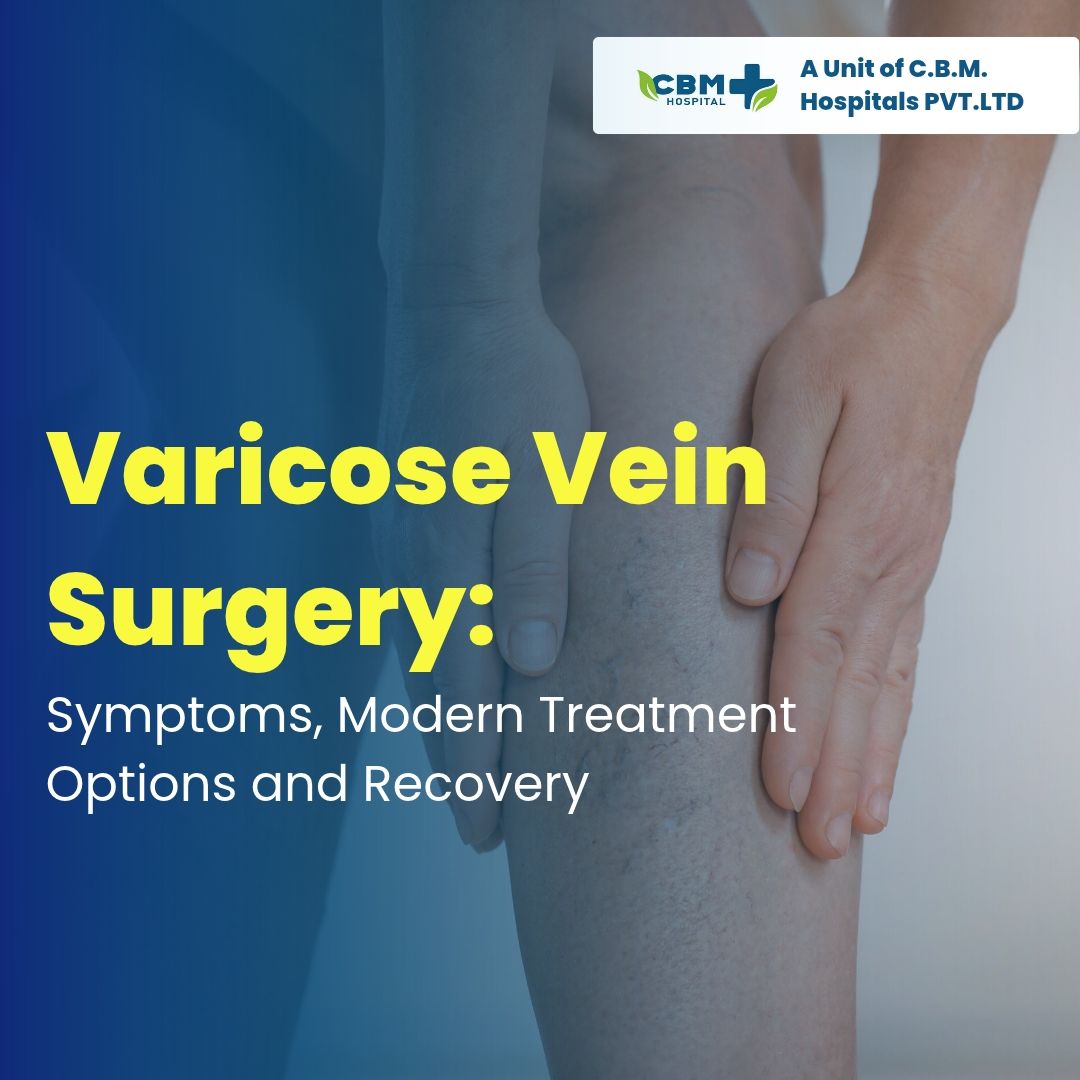
Varicose Vein Surgery: Symptoms, Modern Treatment Options and Recovery-
Varicose veins are enlarged, twisted veins that usually appear on the legs and feet. They develop when the valves inside the veins do not work properly, allowing blood to collect in the veins instead of flowing efficiently back towards the heart. Although varicose veins are often considered a cosmetic concern, they can also cause pain, heaviness, swelling, skin changes, and other complications. With advances in medical technology, several treatment options are available, ranging from lifestyle changes and compression stockings to minimally invasive procedures and surgery. The most appropriate treatment depends on the severity of symptoms, the condition of the veins, and the patient’s overall health. If you are experiencing persistent leg discomfort or visible enlarged veins, understanding the available treatments can help you make informed decisions with a qualified vascular specialist. What Are Varicose Veins? Varicose veins are veins that have become enlarged, swollen, and twisted, most commonly in the legs. Healthy veins contain valves that help blood travel towards the heart. When these valves weaken or become damaged, blood can flow backwards and accumulate inside the veins. This condition is known as chronic venous insufficiency when it causes persistent problems with blood returning from the legs. Varicose veins can affect people of different ages, although they are more common in adults, particularly those with a family history of the condition, people who stand for long periods, and individuals who are pregnant or overweight. Early assessment can help identify the severity of the condition and determine whether conservative care or a medical procedure is appropriate. Common Symptoms of Varicose Veins Varicose veins do not always cause symptoms. Some people notice only visible veins, while others experience discomfort that becomes more noticeable after standing or sitting for long periods. Common symptoms include: Visible, twisted veins: Enlarged blue, purple, or dark-coloured veins that appear close to the skin’s surface. Leg pain or aching: A dull ache or discomfort, particularly after prolonged standing. Heaviness in the legs: A feeling of tiredness or pressure that may worsen towards the end of the day. Swelling: Swelling around the ankles or lower legs, especially after extended periods of standing. Itching: Itching around the affected veins or surrounding skin. Night-time cramps: Some people experience muscle cramps or restlessness in their legs. Skin discolouration: The skin around the ankles may become darker or develop other changes. Slow-healing wounds: In advanced cases, ulcers can develop near the ankles. When Should You Consult a Doctor? Consult a healthcare professional if your veins are painful, swelling persists, skin changes develop, or symptoms interfere with daily activities. Seek urgent medical attention if a leg suddenly becomes swollen, painful, warm, or red, as these symptoms may indicate a blood clot. Sudden breathlessness or chest pain requires emergency medical care. If a varicose vein bleeds, apply firm, continuous pressure and seek urgent medical assistance. What Causes Varicose Veins? Several factors can contribute to the development of varicose veins. 1. Weak or Damaged Vein Valves The most common underlying problem is the failure of valves inside the veins. When these valves do not close properly, blood can flow backwards and collect in the affected veins. 2. Family History People with a family history of varicose veins may have a greater likelihood of developing the condition. 3. Prolonged Standing or Sitting Remaining in the same position for extended periods can contribute to leg discomfort and poor venous circulation. People whose work involves prolonged standing may be more likely to develop symptoms. 4. Pregnancy Pregnancy increases blood volume and changes hormone levels. The growing uterus can also place pressure on pelvic veins, contributing to the development or worsening of varicose veins. 5. Ageing As people get older, vein walls and valves may become less effective, increasing the risk of venous problems. 6. Excess Body Weight Additional body weight can increase pressure on the veins in the lower body and contribute to venous symptoms. Types of Varicose Vein Treatment Treatment depends on the severity of the condition, the symptoms, and the results of a clinical examination. Not every patient needs surgery. 1. Lifestyle Changes For mild symptoms, a doctor may recommend regular walking, maintaining a healthy weight, avoiding prolonged periods in one position, and elevating the legs when resting. These measures can help reduce discomfort and swelling, but they do not permanently eliminate established varicose veins. 2. Compression Stockings Compression stockings apply controlled pressure to the legs, helping blood flow towards the heart and reducing swelling and discomfort. They may be useful for symptom management, especially when a procedure is unsuitable or while awaiting treatment. The appropriate compression level should be discussed with a healthcare professional, particularly for people with circulation problems involving the arteries. 3. Endovenous Laser Ablation (EVLA) Endovenous laser ablation is a minimally invasive treatment that uses laser energy to close an affected vein. A thin catheter is inserted into the vein under ultrasound guidance. Laser energy heats the vein wall, causing the vein to close. Blood is then redirected through healthier veins. Potential benefits include: Small entry point rather than a large incision. Usually performed under local anaesthesia. Relatively short recovery compared with traditional surgery. Many patients can return to routine activities quickly. The suitability of laser treatment depends on the anatomy of the affected veins and the findings of an ultrasound examination. 4. Radiofrequency Ablation (RFA) Radiofrequency ablation uses heat generated by radiofrequency energy to close a problematic vein. Similar to laser ablation, a catheter is guided into the vein using ultrasound. RFA is a minimally invasive option that may help reduce symptoms, with recovery generally shorter than after traditional vein-stripping surgery. 5. Sclerotherapy Sclerotherapy involves injecting a medical solution into selected veins, causing them to close gradually. The body subsequently absorbs the treated vein. It may be used for smaller varicose veins, spider veins, or certain larger veins, depending on their size and location. Ultrasound-guided foam sclerotherapy may be appropriate for some patients with larger or deeper veins. Multiple treatment sessions may sometimes be needed. 6. Ambulatory Phlebectomy Ambulatory phlebectomy … Read more