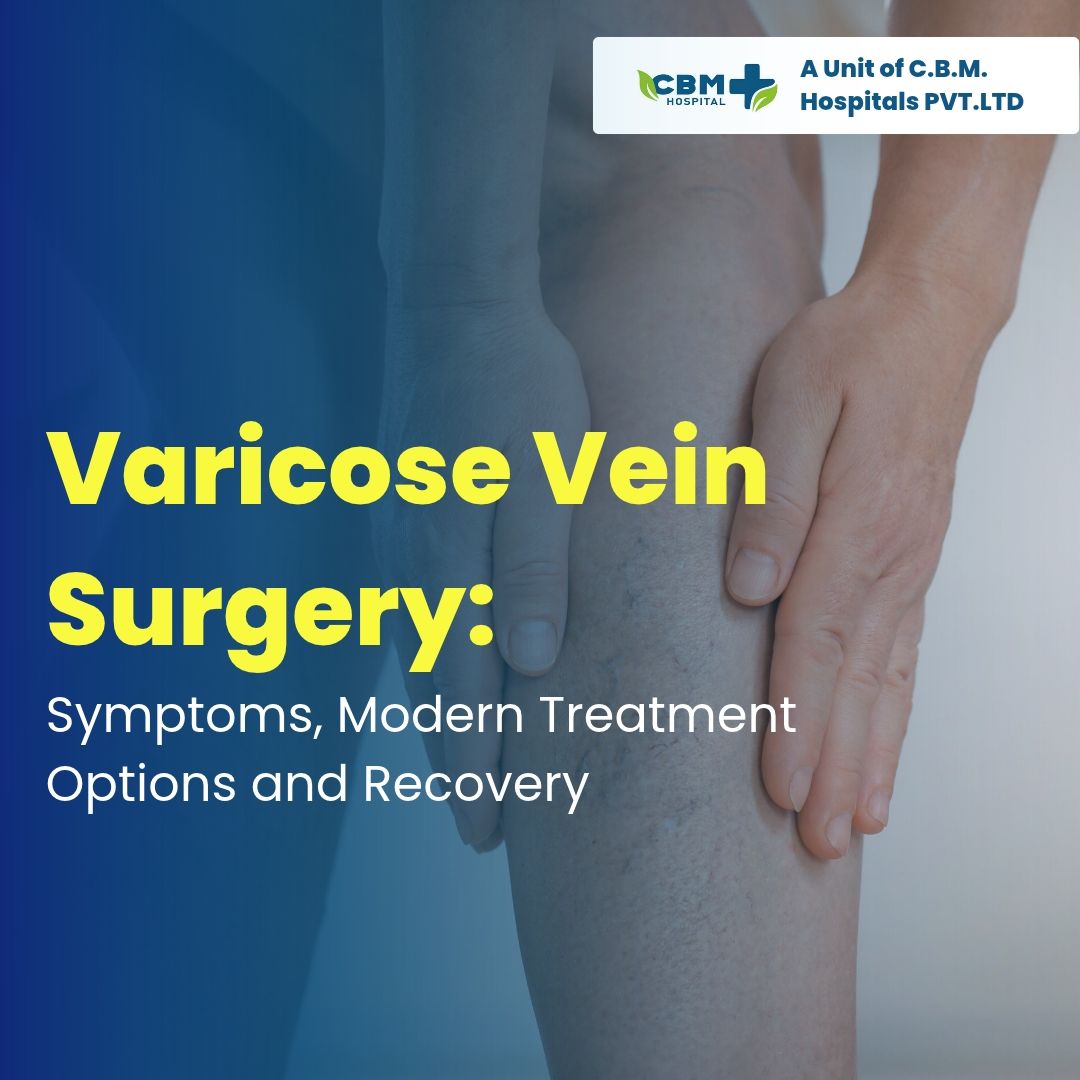
Varicose veins are enlarged, twisted veins that usually appear on the legs and feet. They develop when the valves inside the veins do not work properly, allowing blood to collect in the veins instead of flowing efficiently back towards the heart. Although varicose veins are often considered a cosmetic concern, they can also cause pain, heaviness, swelling, skin changes, and other complications.
With advances in medical technology, several treatment options are available, ranging from lifestyle changes and compression stockings to minimally invasive procedures and surgery. The most appropriate treatment depends on the severity of symptoms, the condition of the veins, and the patient’s overall health.
If you are experiencing persistent leg discomfort or visible enlarged veins, understanding the available treatments can help you make informed decisions with a qualified vascular specialist.
What Are Varicose Veins?
Varicose veins are veins that have become enlarged, swollen, and twisted, most commonly in the legs. Healthy veins contain valves that help blood travel towards the heart. When these valves weaken or become damaged, blood can flow backwards and accumulate inside the veins.
This condition is known as chronic venous insufficiency when it causes persistent problems with blood returning from the legs.
Varicose veins can affect people of different ages, although they are more common in adults, particularly those with a family history of the condition, people who stand for long periods, and individuals who are pregnant or overweight.
Early assessment can help identify the severity of the condition and determine whether conservative care or a medical procedure is appropriate.
Common Symptoms of Varicose Veins
Varicose veins do not always cause symptoms. Some people notice only visible veins, while others experience discomfort that becomes more noticeable after standing or sitting for long periods.
Common symptoms include:
- Visible, twisted veins: Enlarged blue, purple, or dark-coloured veins that appear close to the skin’s surface.
- Leg pain or aching: A dull ache or discomfort, particularly after prolonged standing.
- Heaviness in the legs: A feeling of tiredness or pressure that may worsen towards the end of the day.
- Swelling: Swelling around the ankles or lower legs, especially after extended periods of standing.
- Itching: Itching around the affected veins or surrounding skin.
- Night-time cramps: Some people experience muscle cramps or restlessness in their legs.
- Skin discolouration: The skin around the ankles may become darker or develop other changes.
- Slow-healing wounds: In advanced cases, ulcers can develop near the ankles.
When Should You Consult a Doctor?
Consult a healthcare professional if your veins are painful, swelling persists, skin changes develop, or symptoms interfere with daily activities.
Seek urgent medical attention if a leg suddenly becomes swollen, painful, warm, or red, as these symptoms may indicate a blood clot. Sudden breathlessness or chest pain requires emergency medical care. If a varicose vein bleeds, apply firm, continuous pressure and seek urgent medical assistance.
What Causes Varicose Veins?
Several factors can contribute to the development of varicose veins.
1. Weak or Damaged Vein Valves
The most common underlying problem is the failure of valves inside the veins. When these valves do not close properly, blood can flow backwards and collect in the affected veins.
2. Family History
People with a family history of varicose veins may have a greater likelihood of developing the condition.
3. Prolonged Standing or Sitting
Remaining in the same position for extended periods can contribute to leg discomfort and poor venous circulation. People whose work involves prolonged standing may be more likely to develop symptoms.
4. Pregnancy
Pregnancy increases blood volume and changes hormone levels. The growing uterus can also place pressure on pelvic veins, contributing to the development or worsening of varicose veins.
5. Ageing
As people get older, vein walls and valves may become less effective, increasing the risk of venous problems.
6. Excess Body Weight
Additional body weight can increase pressure on the veins in the lower body and contribute to venous symptoms.
Types of Varicose Vein Treatment
Treatment depends on the severity of the condition, the symptoms, and the results of a clinical examination. Not every patient needs surgery.
1. Lifestyle Changes
For mild symptoms, a doctor may recommend regular walking, maintaining a healthy weight, avoiding prolonged periods in one position, and elevating the legs when resting.
These measures can help reduce discomfort and swelling, but they do not permanently eliminate established varicose veins.
2. Compression Stockings
Compression stockings apply controlled pressure to the legs, helping blood flow towards the heart and reducing swelling and discomfort.
They may be useful for symptom management, especially when a procedure is unsuitable or while awaiting treatment. The appropriate compression level should be discussed with a healthcare professional, particularly for people with circulation problems involving the arteries.
3. Endovenous Laser Ablation (EVLA)
Endovenous laser ablation is a minimally invasive treatment that uses laser energy to close an affected vein.
A thin catheter is inserted into the vein under ultrasound guidance. Laser energy heats the vein wall, causing the vein to close. Blood is then redirected through healthier veins.
Potential benefits include:
- Small entry point rather than a large incision.
- Usually performed under local anaesthesia.
- Relatively short recovery compared with traditional surgery.
- Many patients can return to routine activities quickly.
The suitability of laser treatment depends on the anatomy of the affected veins and the findings of an ultrasound examination.
4. Radiofrequency Ablation (RFA)
Radiofrequency ablation uses heat generated by radiofrequency energy to close a problematic vein. Similar to laser ablation, a catheter is guided into the vein using ultrasound.
RFA is a minimally invasive option that may help reduce symptoms, with recovery generally shorter than after traditional vein-stripping surgery.
5. Sclerotherapy
Sclerotherapy involves injecting a medical solution into selected veins, causing them to close gradually. The body subsequently absorbs the treated vein.
It may be used for smaller varicose veins, spider veins, or certain larger veins, depending on their size and location. Ultrasound-guided foam sclerotherapy may be appropriate for some patients with larger or deeper veins.
Multiple treatment sessions may sometimes be needed.
6. Ambulatory Phlebectomy
Ambulatory phlebectomy involves removing prominent superficial varicose veins through tiny skin openings. It is often performed under local anaesthesia.
This technique may be used to treat bulging veins that remain after an underlying refluxing vein has been treated or as part of a combined treatment plan.
7. Vein Ligation and Stripping
Traditional vein surgery involves tying off and removing or stripping an affected vein. It may be considered when minimally invasive treatments are unsuitable or unavailable, or when the patient’s specific vein anatomy requires a different approach.
The procedure and recovery can differ from those of catheter-based treatments. A vascular specialist can explain the expected benefits, risks, and alternatives.
How Is Varicose Vein Surgery Performed?
The exact procedure depends on the treatment selected and the condition of the veins.
Step 1: Medical Consultation
The doctor asks about symptoms, medical history, family history, and any previous vein treatments. The legs are examined for enlarged veins, swelling, skin changes, and other signs of venous disease.
Step 2: Duplex Ultrasound
A duplex ultrasound is commonly used to assess blood flow, identify faulty valves, and determine which veins are affected. This information helps the specialist choose an appropriate treatment.
Step 3: Choosing the Procedure
Based on the examination and ultrasound findings, the doctor discusses available options, including conservative management, laser ablation, radiofrequency ablation, sclerotherapy, phlebectomy, or traditional surgery.
Step 4: Treatment
Depending on the procedure, treatment may involve a small catheter, injections, tiny skin openings, or surgical incisions. Anaesthesia requirements vary by technique.
Step 5: Post-Procedure Monitoring
The medical team provides instructions regarding walking, wound care, compression garments if needed, pain relief, and follow-up appointments. Some patients undergo a follow-up ultrasound depending on their treatment and individual risk factors.
Benefits of Modern Varicose Vein Treatment
Appropriate treatment can improve symptoms and help manage complications associated with venous disease.
Potential benefits include:
- Reduced leg aching and heaviness.
- Improvement in swelling and discomfort.
- Reduced prominence of treated veins.
- Improved ability to perform daily activities.
- Better management of certain venous skin changes.
- Healing of some venous ulcers when the underlying venous problem is treated appropriately.
- Reduced need for ongoing symptom-management measures in some patients.
Results vary, and treatment does not guarantee that new varicose veins will never develop. Some people need additional procedures or long-term monitoring.
Risks and Possible Complications
Varicose vein procedures are generally well established, but every treatment has potential risks.
Possible complications include:
- Bruising, tenderness, or temporary swelling.
- Skin irritation or changes in skin sensation.
- Inflammation of a treated vein.
- Skin burns or nerve irritation with certain thermal procedures.
- Bleeding or infection, particularly with surgical incisions.
- Blood clots, including deep vein thrombosis, in uncommon cases.
- Persistent symptoms or recurrence of varicose veins.
- Skin pigmentation or other cosmetic changes.
The likelihood of complications depends on the treatment, the patient’s medical history, and other individual factors. Discuss your personal risks with the treating specialist before deciding on a procedure.
Recovery After Varicose Vein Surgery
Recovery varies according to the procedure, the number of veins treated, and the patient’s overall health.
First 24–48 Hours
After many minimally invasive procedures, patients are encouraged to walk soon after treatment, as advised by their medical team. Mild bruising, tightness, tenderness, or discomfort may occur.
Follow the instructions provided about bathing, dressings, compression stockings, and medication.
First Week
Many patients return to routine daily activities within a few days after minimally invasive treatment. However, prolonged standing, strenuous exercise, and heavy lifting may need to be limited temporarily, depending on the procedure.
Follow your doctor’s specific instructions rather than relying on a general recovery timeline.
Two to Four Weeks
Bruising and tenderness often continue to settle. Patients can usually increase their activity gradually if recovery is progressing normally and the treating clinician has not advised restrictions.
Recovery after traditional surgery may take longer than after laser or radiofrequency treatment.
Long-Term Care
Regular physical activity, maintaining a healthy weight, taking breaks from prolonged standing or sitting, and elevating the legs when resting may help manage symptoms.
Follow-up appointments are important for assessing healing and identifying any persistent or recurrent venous problems.
Contact your healthcare provider if you develop increasing pain, spreading redness, fever, new significant swelling, or wound-related concerns. Sudden chest pain or breathlessness requires emergency care.
How Much Does Varicose Vein Surgery Cost in India?
The cost of varicose vein treatment varies depending on the procedure and the patient’s clinical needs. There is no single price that applies to everyone.
Factors that can affect the overall cost include:
- The number and location of affected veins.
- The treatment method selected.
- Ultrasound and other necessary investigations.
- Anaesthesia and facility charges.
- Medicines, compression garments, and follow-up visits.
- Whether one or multiple treatment sessions are required.
- The patient’s insurance coverage and eligibility.
Laser or radiofrequency procedures, sclerotherapy, and traditional surgery may have different cost structures. For an accurate estimate, request an itemised quotation from the treating hospital after clinical assessment.
Patients considering Brij Lal Hospital in Haldwani can contact the hospital directly to enquire about consultation availability, diagnostic evaluation, treatment options, estimated charges, and insurance or payment arrangements.
Why Choose the Right Hospital for Varicose Vein Treatment in Haldwani?
Selecting a suitable healthcare facility is an important part of planning treatment. Patients should look for qualified clinicians, appropriate diagnostic facilities, clear communication about treatment choices, and suitable follow-up care.
When comparing options for the Best Hospital in Haldwani, consider whether the hospital can arrange an appropriate vascular assessment, explain the benefits and limitations of available procedures, and discuss the risks and expected recovery time.
People searching for the Best Multispeciality Hospital in Haldwani should also check which relevant specialists and diagnostic services are available, how emergencies are managed, and whether the treatment plan is tailored to their medical condition.
Brij Lal Hospital can be contacted directly for current information about its available services, specialist consultations, and varicose vein treatment arrangements. Patients should confirm the specific procedure offered and the qualifications of the treating clinician before making a decision.
Frequently Asked Questions (FAQs)
1. Are varicose veins dangerous?
Many varicose veins are not immediately dangerous, but they can cause persistent pain, swelling, skin changes, bleeding, or ulcers. A medical assessment can help determine the severity and appropriate management.
2. Is surgery always necessary for varicose veins?
No. Some patients can manage mild symptoms with exercise, leg elevation, weight management, and compression stockings. Procedures may be recommended when symptoms persist, complications develop, or ultrasound findings indicate that intervention could help.
3. Is laser treatment better than traditional surgery?
Laser treatment is less invasive and often allows a quicker return to routine activities. However, the best option depends on vein anatomy, clinical findings, available expertise, and the patient’s individual needs. Traditional surgery may still be appropriate in selected cases.
4. How long does recovery take after varicose vein treatment?
Many patients resume routine activities within a few days after minimally invasive procedures. Recovery after traditional surgery may take longer. The treating clinician should provide a personalised recovery plan.
5. Can varicose veins return after surgery?
Yes. Treated veins may remain closed or be removed, but new varicose veins can develop over time. Follow-up care and management of contributing factors can help address ongoing symptoms.
6. Do varicose veins require a Doppler ultrasound?
Duplex ultrasound is commonly used when planning treatment because it helps identify faulty valves and map the affected veins. The clinician will determine which investigations are necessary.
7. Can exercise prevent varicose veins?
Walking and regular movement support circulation and may help relieve symptoms. However, exercise cannot guarantee prevention or reverse established valve damage.
8. When should varicose veins be treated?
Treatment may be considered when symptoms affect daily life, swelling persists, skin changes occur, ulcers develop, or bleeding happens. Sudden leg swelling and pain require urgent assessment because a blood clot may be responsible.
Conclusion
Varicose veins can range from a cosmetic concern to a condition that causes significant discomfort and skin complications. Modern treatments—including endovenous laser ablation, radiofrequency ablation, sclerotherapy, phlebectomy, and traditional surgery—offer different approaches depending on the patient’s condition.
An accurate diagnosis, often supported by duplex ultrasound, helps determine which treatment is appropriate. Early medical advice can also help patients understand their options, potential risks, expected recovery, and long-term care.
If you are experiencing persistent leg pain, heaviness, swelling, or visible enlarged veins, arrange an assessment with a qualified healthcare professional. For local enquiries, contact Brij Lal Hospital in Haldwani to confirm available consultation and treatment options.
SEO Keywords: Brij Lal Hospital, Best Hospital in Haldwani, Best Multispeciality Hospital in Haldwani, varicose vein surgery, varicose vein treatment in Haldwani, laser treatment for varicose veins, varicose vein symptoms, varicose vein recovery time, vascular specialist in Haldwani.