
Introduction
Clear vision is essential for reading, driving, recognising faces, and carrying out everyday activities. However, as people age, the natural lens inside the eye can become cloudy, leading to a condition known as a cataract. Cataracts may cause blurred vision, glare from bright lights, difficulty seeing at night, and faded colours. If left untreated, they can significantly affect a person’s quality of life.
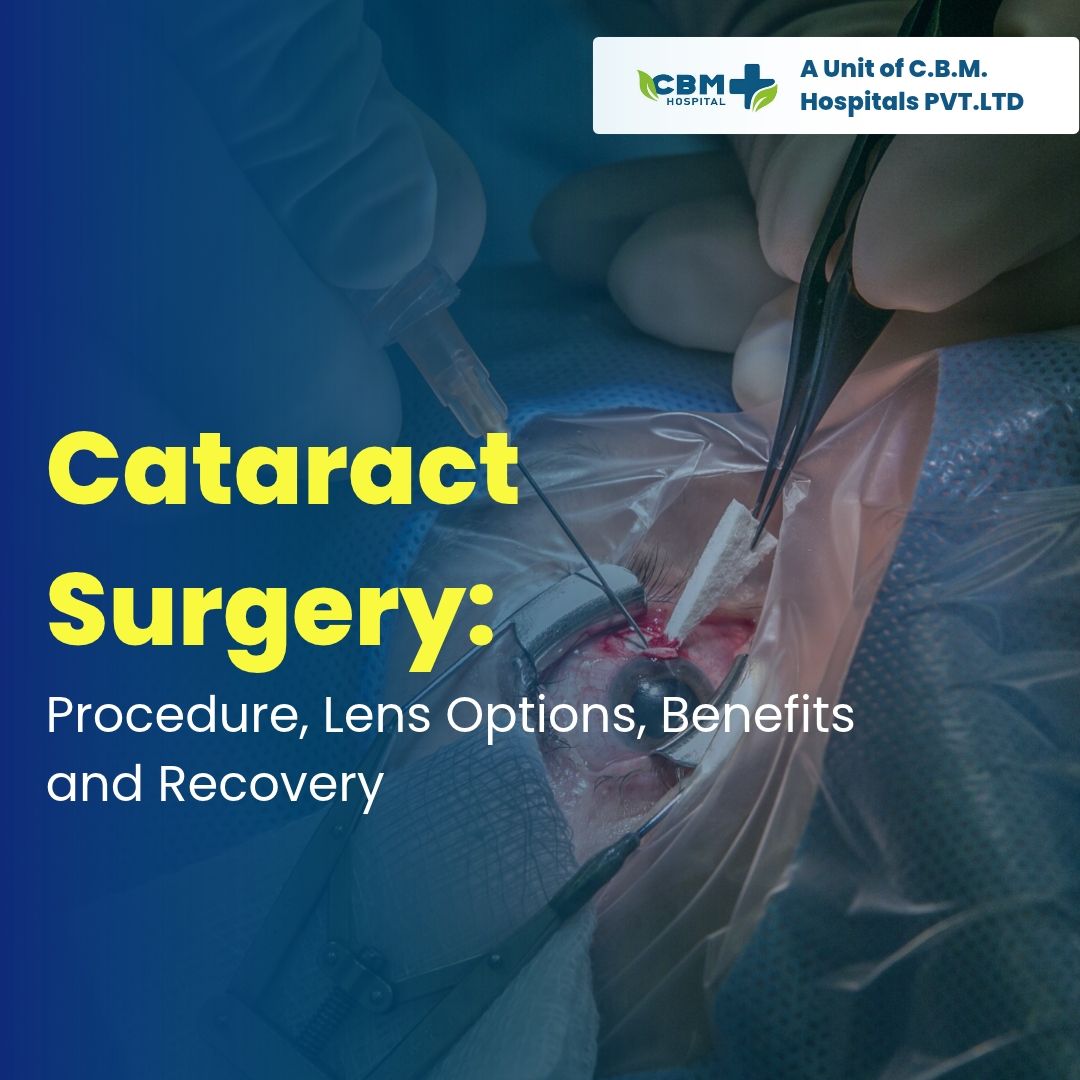
Cataract surgery is a common eye procedure in which the cloudy natural lens is removed and usually replaced with an artificial intraocular lens (IOL). Modern surgical techniques can help restore clearer vision and improve daily functioning.
Understanding the cataract surgery procedure, available lens options, benefits, possible risks, recovery time, and cost can help patients make informed decisions about their eye health. People seeking eye care at Brij Lal Hospital can consult an eye specialist to understand their condition and explore suitable treatment options.
What Is a Cataract?
A cataract develops when the natural lens inside the eye becomes cloudy. The lens normally focuses light onto the retina, allowing the brain to form clear images. When the lens becomes cloudy, light cannot pass through it properly, resulting in reduced or blurred vision.
Cataracts most commonly develop with age, but they can also occur because of eye injuries, certain medical conditions, long-term use of particular medicines, or previous eye surgery. In some cases, cataracts may be present from birth.
Common types of cataracts include:
- Nuclear cataracts: Develop in the central part of the lens and are commonly associated with ageing.
- Cortical cataracts: Begin around the outer edges of the lens and may cause glare.
- Posterior subcapsular cataracts: Develop near the back of the lens and may affect reading vision and sensitivity to bright light.
- Congenital cataracts: Present at birth or develop during childhood.
The symptoms and progression vary from person to person. An eye examination is necessary to determine whether a cataract is responsible for vision problems.
Cataract symptoms often develop gradually, so some people may not notice significant changes during the early stages.
1. Blurred or Cloudy Vision
One of the most common symptoms is vision that appears foggy, hazy, or unclear. Reading, watching television, and recognising faces may become more difficult.
2. Difficulty Seeing at Night
Cataracts can reduce visibility in low-light conditions. Driving at night may become more challenging, particularly when approaching headlights create glare.
3. Sensitivity to Bright Light
Bright sunlight, vehicle headlights, and indoor lighting may cause discomfort or glare.
4. Faded Colours
Colours may appear dull, yellowish, or less vibrant than before.
5. Frequent Changes in Glasses Prescription
Some people experience changes in their glasses prescription as cataracts progress. New glasses may help temporarily, but they cannot remove the cataract.
6. Double Vision in One Eye
A cataract may occasionally cause double or ghosted images in the affected eye.
If you experience sudden vision loss, severe eye pain, flashes of light, or a sudden increase in floaters, seek urgent eye assessment. These symptoms should not automatically be attributed to cataracts.
What Causes Cataracts?
Ageing is the most common cause of cataracts, but several other factors can contribute to their development.
These include:
- Increasing age.
- Diabetes and certain other medical conditions.
- Previous eye injuries or inflammation.
- Long-term use of corticosteroid medicines.
- Excessive exposure to ultraviolet radiation over time.
- Smoking.
- Previous eye surgery.
- Genetic factors and congenital conditions.
Not everyone with these risk factors will develop cataracts. Regular eye examinations can help identify lens changes and other conditions that may affect vision.
When Is Cataract Surgery Necessary?
Cataract surgery is generally recommended when the cloudy lens begins to interfere significantly with everyday activities and the expected benefits of surgery outweigh the risks.
An eye specialist may recommend surgery if cataracts make it difficult to:
- Read books, documents, or mobile phone screens.
- Drive safely, especially at night.
- Recognise faces or watch television.
- Work or perform household activities.
- Manage routine tasks independently.
Surgery is not always necessary immediately after a cataract is diagnosed. The decision depends on the degree of visual impairment, the patient’s needs, the health of the retina and other eye structures, and the results of the eye examination.
Cataract Surgery Procedure
Modern cataract surgery is usually performed as a short procedure, often under local anaesthesia using eye drops or an injection around the eye.
The exact technique depends on the patient’s condition and the surgeon’s assessment.
Step 1: Pre-Surgery Eye Examination
The eye specialist checks visual acuity, examines the lens, measures eye pressure when appropriate, and evaluates the retina and other eye structures.
Measurements of the eye are also taken to calculate the appropriate power of the artificial intraocular lens.
Step 2: Anaesthesia and Preparation
The eye is cleaned and prepared for surgery. Anaesthetic drops or another appropriate anaesthetic method help minimise discomfort during the procedure.
Patients should follow instructions about fasting and medicines if these are provided by their surgical team.
Step 3: Removal of the Cloudy Lens
The most common technique is phacoemulsification. The surgeon makes a small incision and uses an ultrasound instrument to break the cloudy lens into small pieces, which are then removed.
In selected cases, other surgical techniques may be recommended.
Step 4: Insertion of the Artificial Lens
An artificial intraocular lens is usually inserted into the natural lens capsule, where it helps focus light onto the retina.
Step 5: Post-Operative Monitoring
After surgery, the patient is monitored before discharge. Many people return home the same day, depending on their condition and the hospital’s instructions.
The surgeon provides eye-drop instructions, activity precautions, and a schedule for follow-up visits.
Lens Options for Cataract Surgery
Choosing an appropriate intraocular lens is an important part of planning cataract surgery. Different lenses offer different visual benefits, and the best option depends on eye health, lifestyle, budget, and visual expectations.
1. Monofocal Lens
A monofocal lens is designed to provide clear vision at one main distance, usually distance vision.
Patients may still need glasses for reading or other close-up activities. Monofocal lenses are widely used and may be suitable for many patients.
2. Multifocal Lens
Multifocal lenses are designed to provide vision at more than one distance, potentially reducing dependence on glasses for both near and distance activities.
However, they may cause glare, halos around lights, or reduced contrast in some situations. They are not suitable for every patient.
3. Extended Depth of Focus (EDOF) Lens
EDOF lenses are designed to provide a broader range of vision, particularly from distance to intermediate ranges.
Some patients may still require reading glasses for small print or close-up tasks. Results depend on the lens design and individual eye characteristics.
4. Toric Lens
Toric lenses are designed to correct corneal astigmatism along with cataract-related vision problems.
They may improve visual clarity for suitable patients, but accurate measurements and proper lens alignment are important.
5. Premium Intraocular Lenses
Some multifocal, EDOF, and toric lenses are offered as premium options. They may reduce dependence on glasses for selected activities, but they do not guarantee complete freedom from glasses.
Before choosing a lens, patients should discuss expected visual outcomes, potential side effects, additional costs, and whether their eyes are suitable for that option.
Benefits of Cataract Surgery
Cataract surgery can offer significant benefits when the cloudy lens is responsible for reduced vision.
Improved visual clarity: Removing the cloudy lens can help restore clearer vision, depending on the health of the retina and other eye structures.
Better colour perception: Colours may appear brighter and more natural after the cataract is removed.
Reduced glare: Many patients experience improvement in glare and light sensitivity caused by cataracts.
Improved daily activities: Clearer vision may make reading, recognising faces, and carrying out routine tasks easier.
Greater independence: Improved sight can help eligible patients manage daily activities more confidently.
Potential reduction in glasses dependence: Some lens options can reduce the need for glasses for certain distances, although glasses may still be required.
The outcome varies according to the severity of the cataract, the selected lens, and the presence of other eye conditions.
Risks and Possible Complications
Cataract surgery is commonly performed and generally has a high success rate, but no surgery is completely risk-free.
Possible complications include:
- Eye infection.
- Inflammation or swelling.
- Increased eye pressure.
- Bleeding inside the eye, rarely.
- Retinal detachment.
- Dislocation of the artificial lens.
- Persistent visual disturbances.
- Posterior capsule opacification, sometimes called a secondary cataract.
Posterior capsule opacification can develop months or years after surgery. It may cause vision to become cloudy again and can often be treated with a laser procedure.
Patients should seek urgent medical attention if they develop sudden loss of vision, severe eye pain, increasing redness, or a sudden increase in floaters or flashes after surgery.
Recovery After Cataract Surgery
Recovery varies depending on the patient’s eye health, surgical technique, and healing process.
First 24 Hours
Vision may be blurry immediately after surgery and gradually improve. Mild irritation, watering, or a gritty sensation may occur.
Patients should avoid rubbing or pressing on the operated eye and follow the instructions provided by the surgical team.
First Week
Many patients notice significant visual improvement within the first few days, although healing takes longer.
Prescribed eye drops help prevent infection and control inflammation. Patients should use them exactly as directed.
Avoid getting contaminated water or other irritants into the eye, and follow medical instructions regarding bathing, washing the face, and using eye protection.
First Two to Four Weeks
Vision generally continues to stabilise during this period. Many people resume routine activities relatively quickly, but the timing depends on their recovery and the surgeon’s advice.
Avoid swimming, eye rubbing, and strenuous activities until the eye specialist confirms they are safe.
Four to Six Weeks and Beyond
The eye may continue healing over several weeks. The specialist will assess visual recovery and determine whether a new glasses prescription is needed.
Some patients recover faster, while those with additional eye conditions may need longer follow-up.
Post-Surgery Eye Care Tips
Following the recommended care plan is important for protecting the operated eye.
- Use prescribed eye drops according to the schedule.
- Wash your hands before applying eye drops.
- Avoid rubbing or pressing on the eye.
- Use the protective eye shield if advised.
- Attend all follow-up appointments.
- Avoid driving until your vision meets the required standard and your doctor confirms it is safe.
- Contact your eye specialist if you notice unexpected changes in vision or increasing discomfort.
Do not stop prescribed eye drops early or use unprescribed medicines in the operated eye.
Cataract Surgery Cost in India
The cost of cataract surgery varies depending on the hospital, surgical technique, intraocular lens selected, diagnostic tests, and patient’s eye condition.
The total cost may include:
- Eye specialist consultation.
- Pre-operative eye examinations and measurements.
- Diagnostic investigations.
- Surgeon and operating theatre charges.
- Artificial intraocular lens.
- Medicines and eye drops.
- Post-operative consultations and follow-up care.
The lens selected can significantly influence the overall expense. Standard monofocal lenses and premium options may have different costs, while complex cases may require additional treatment.
Before proceeding, patients should request a detailed estimate and confirm which services are included. Those using health insurance should check coverage, exclusions, and pre-authorisation requirements.
For an accurate estimate at Brij Lal Hospital, contact the hospital directly and arrange an eye examination with an ophthalmologist.
Choosing an Eye Care Hospital in Haldwani
Selecting an appropriate eye care facility involves considering the ophthalmologist’s qualifications, availability of modern diagnostic and surgical equipment, infection-control practices, emergency support, and post-operative follow-up.
People searching for the Best Hospital in Haldwani or the Best Multispeciality Hospital in Haldwani should evaluate the available eye care services and discuss the recommended surgical approach with a qualified specialist.
Brij Lal Hospital is a local option patients may contact to enquire about ophthalmology consultations and cataract treatment services. Before deciding, ask about available lens options, expected visual outcomes, potential risks, follow-up arrangements, and the complete treatment cost.
The most appropriate lens and surgical technique depend on the patient’s eye measurements, lifestyle, budget, and overall eye health.
Frequently Asked Questions (FAQs)
1. How long does cataract surgery take?
The procedure commonly takes around 10–30 minutes for an uncomplicated case, although preparation and post-operative monitoring require additional time.
2. Is cataract surgery painful?
Most patients experience little or no significant pain during surgery because anaesthesia is used. Mild irritation or discomfort may occur afterward.
3. How long does it take to recover from cataract surgery?
Many patients notice improved vision within a few days, while complete healing and visual stabilisation can take several weeks.
4. Which lens is best for cataract surgery?
There is no single best lens for everyone. Monofocal, multifocal, EDOF, and toric lenses have different advantages and limitations. An ophthalmologist can recommend a suitable option after examining the eyes.
5. Can cataracts return after surgery?
The removed natural lens cannot develop another cataract. However, the capsule behind the artificial lens may become cloudy over time. This can often be treated with a laser procedure.
6. Can cataract surgery be performed on both eyes?
Yes. Cataracts can affect both eyes, but surgery is commonly performed on one eye at a time, with the second procedure scheduled according to the patient’s needs and the surgeon’s recommendation.
Conclusion
Cataracts can gradually reduce vision and affect everyday activities, but modern cataract surgery can help restore visual clarity for many patients. Understanding the procedure, lens choices, possible complications, recovery process, and costs can help individuals prepare for treatment.
An eye examination is the first step in determining whether surgery is necessary and which intraocular lens may be appropriate.
If blurred vision, glare, or difficulty seeing at night is affecting your daily life, consult a qualified ophthalmologist. Patients in Haldwani can contact Brij Lal Hospital to enquire about eye consultations and available cataract treatment options.
With appropriate evaluation, suitable lens selection, and proper post-operative care, many patients can achieve meaningful improvements in vision and quality of life.