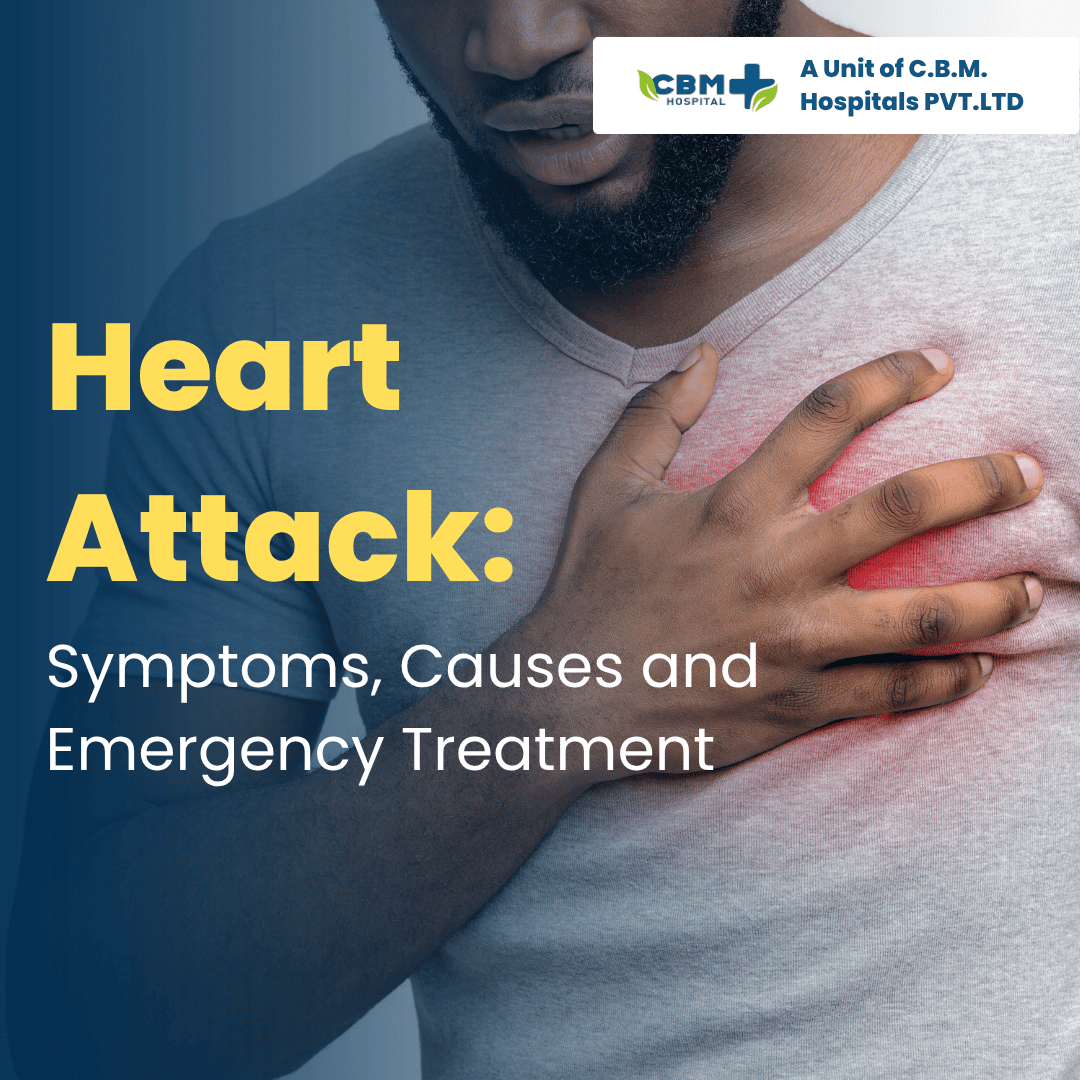
Heart Attack: Symptoms, Causes and Emergency Treatment
A heart attack, medically known as a myocardial infarction (MI), is a serious medical emergency that occurs when blood flow to part of the heart muscle becomes blocked. Without enough blood and oxygen, the affected heart muscle can become damaged. A heart attack can happen suddenly, and getting emergency medical treatment as quickly as possible can reduce heart damage and improve the chances of recovery. Understanding the symptoms, causes, risk factors, warning signs, diagnosis, emergency treatment, and prevention of heart attack can help you recognize this potentially life-threatening condition and seek immediate medical care. What Is a Heart Attack? The heart needs a continuous supply of oxygen-rich blood through the coronary arteries. A heart attack usually occurs when a coronary artery becomes blocked, most often because of a blood clot forming over a ruptured or damaged fatty plaque. When blood flow is reduced or completely blocked, the heart muscle supplied by that artery does not receive enough oxygen. If the blockage is not treated quickly, part of the heart muscle can become permanently damaged. A heart attack is different from cardiac arrest. During cardiac arrest, the heart suddenly stops pumping effectively. A heart attack can sometimes lead to cardiac arrest, but the two conditions are not the same. What Causes a Heart Attack? The most common underlying cause of a heart attack is coronary artery disease (CAD). Over time, cholesterol, fat, and other substances can build up inside the walls of coronary arteries. This process is called atherosclerosis. A plaque can sometimes rupture, causing a blood clot to form. If the clot blocks blood flow through a coronary artery, a heart attack can occur. Other, less common causes can include severe coronary artery spasm or spontaneous tearing of a coronary artery. Risk Factors for Heart Attack Several factors can increase the risk of heart disease and heart attack, including: High blood pressure High cholesterol Diabetes Smoking or tobacco use Obesity or excess body weight Physical inactivity Unhealthy diet Family history of heart disease Increasing age Excessive alcohol consumption Chronic stress Previous heart disease Having one or more risk factors does not mean that a person will definitely have a heart attack, but managing these factors can help reduce cardiovascular risk. What Are the Symptoms of a Heart Attack? Heart attack symptoms can vary from person to person. Some attacks begin suddenly, while others may start gradually. Common symptoms include: Pressure, tightness, squeezing, or pain in the chest Pain or discomfort spreading to the arm, shoulder, back, neck, jaw, or upper abdomen Shortness of breath Cold sweating Nausea or vomiting Dizziness or light-headedness Unusual weakness or tiredness A feeling of anxiety or impending danger Chest discomfort is one of the most important warning signs, but not every heart attack causes severe chest pain. Women, older adults, and people with diabetes may sometimes experience less typical symptoms, such as unusual fatigue, shortness of breath, nausea, or back and jaw discomfort. Warning Signs That Need Emergency Medical Attention A suspected heart attack should always be treated as a medical emergency. Call emergency medical services immediately if you or someone around you develops: Chest pressure or pain that lasts several minutes or keeps returning Chest discomfort with sweating or shortness of breath Pain spreading to the arm, jaw, neck, or back Sudden severe weakness or dizziness Fainting or loss of consciousness Severe breathing difficulty Do not wait for symptoms to disappear on their own. If a heart attack is suspected, getting emergency medical help quickly is more important than trying to travel to a hospital independently. What Should You Do During a Suspected Heart Attack? If someone develops symptoms that may indicate a heart attack: Call emergency medical services immediately. Keep the person seated or resting in a comfortable position. Avoid unnecessary physical activity. Follow the instructions provided by emergency medical professionals. If the person becomes unresponsive and is not breathing normally, begin CPR and use an AED if available, following emergency guidance. Do not delay emergency care while trying home remedies. How Is a Heart Attack Diagnosed? Doctors use several tests to determine whether a heart attack has occurred. Electrocardiogram (ECG) An ECG records the electrical activity of the heart. It can help doctors identify changes associated with a heart attack and determine the type of heart attack. Blood Tests Blood tests, particularly cardiac troponin, can help detect damage to heart muscle. Doctors may perform repeated blood tests because cardiac markers can change over time. Echocardiogram An echocardiogram uses ultrasound to create images of the heart. It can help assess heart function and identify areas that are not moving normally. Coronary Angiography Coronary angiography can show blockages or narrowing in the coronary arteries. It may be performed during emergency treatment when doctors need to identify and treat a blocked artery. Other investigations may be recommended depending on the patient’s condition. Emergency Treatment for a Heart Attack Treatment depends on the type of heart attack, the location and severity of the blockage, and how quickly the patient reaches medical care. The main goal is to restore blood flow to the heart as quickly as possible and prevent further heart muscle damage. Treatment may include medicines and procedures. Medicines Doctors may use medications to: Prevent or reduce blood clotting Improve blood flow Reduce the workload on the heart Control pain Manage blood pressure Treat abnormal heart rhythms The specific medicines used depend on the patient’s condition and should be given under medical supervision. Angioplasty and Stent Placement Percutaneous coronary intervention (PCI) is a common emergency treatment for certain heart attacks. During the procedure, a thin catheter is guided through a blood vessel to the blocked coronary artery. A balloon may be used to open the narrowed area, and a stent is commonly placed to help keep the artery open. Rapid restoration of blood flow can limit damage to the heart muscle. Thrombolytic Treatment In certain situations where timely PCI is not available, doctors may consider clot-dissolving medicines, also known as thrombolytics. Whether this treatment … Read more