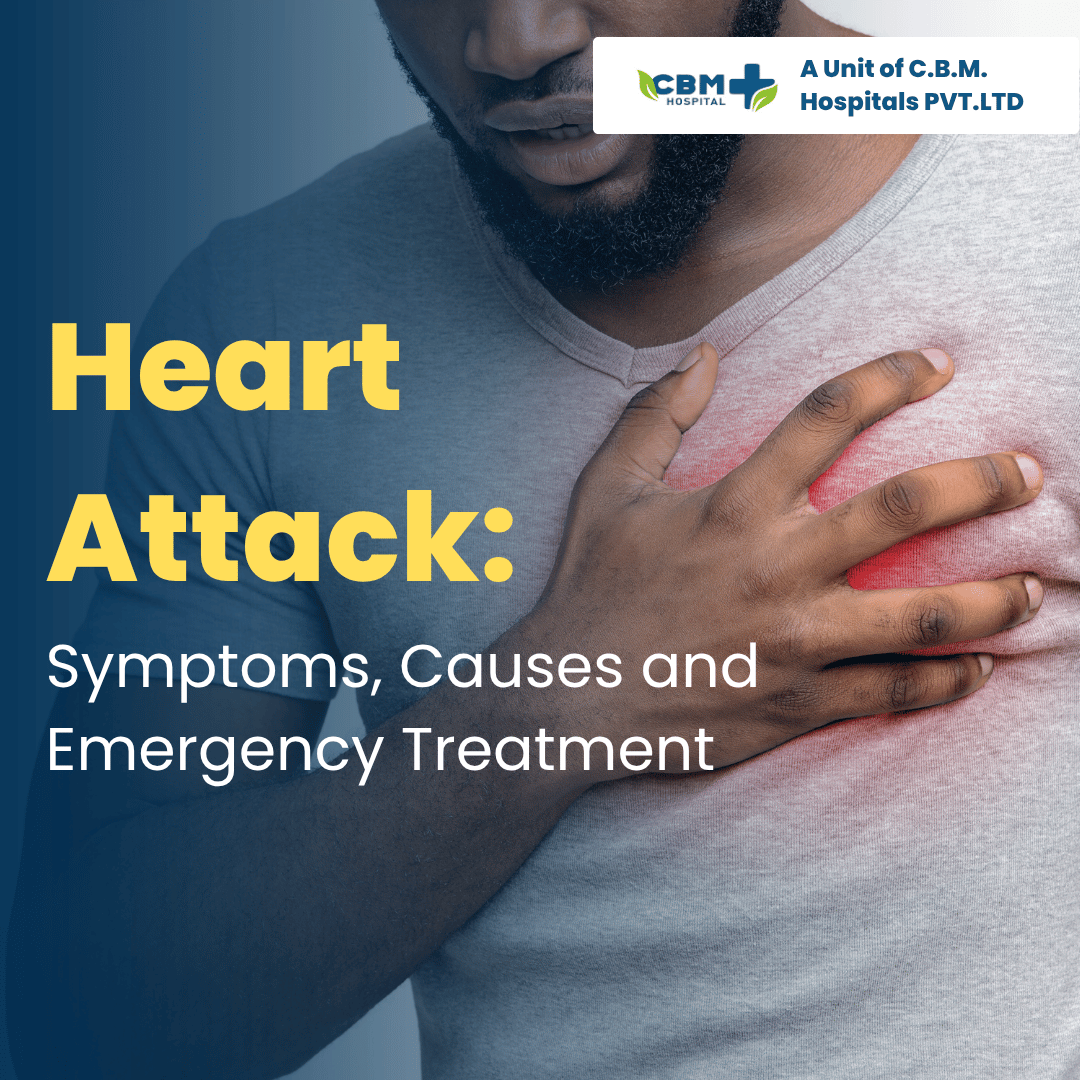
A heart attack, medically known as a myocardial infarction (MI), is a serious medical emergency that occurs when blood flow to part of the heart muscle becomes blocked. Without enough blood and oxygen, the affected heart muscle can become damaged.
A heart attack can happen suddenly, and getting emergency medical treatment as quickly as possible can reduce heart damage and improve the chances of recovery.
Understanding the symptoms, causes, risk factors, warning signs, diagnosis, emergency treatment, and prevention of heart attack can help you recognize this potentially life-threatening condition and seek immediate medical care.
What Is a Heart Attack?
The heart needs a continuous supply of oxygen-rich blood through the coronary arteries. A heart attack usually occurs when a coronary artery becomes blocked, most often because of a blood clot forming over a ruptured or damaged fatty plaque.
When blood flow is reduced or completely blocked, the heart muscle supplied by that artery does not receive enough oxygen. If the blockage is not treated quickly, part of the heart muscle can become permanently damaged.
A heart attack is different from cardiac arrest. During cardiac arrest, the heart suddenly stops pumping effectively. A heart attack can sometimes lead to cardiac arrest, but the two conditions are not the same.
What Causes a Heart Attack?
The most common underlying cause of a heart attack is coronary artery disease (CAD).
Over time, cholesterol, fat, and other substances can build up inside the walls of coronary arteries. This process is called atherosclerosis.
A plaque can sometimes rupture, causing a blood clot to form. If the clot blocks blood flow through a coronary artery, a heart attack can occur.
Other, less common causes can include severe coronary artery spasm or spontaneous tearing of a coronary artery.
Risk Factors for Heart Attack
Several factors can increase the risk of heart disease and heart attack, including:
- High blood pressure
- High cholesterol
- Diabetes
- Smoking or tobacco use
- Obesity or excess body weight
- Physical inactivity
- Unhealthy diet
- Family history of heart disease
- Increasing age
- Excessive alcohol consumption
- Chronic stress
- Previous heart disease
Having one or more risk factors does not mean that a person will definitely have a heart attack, but managing these factors can help reduce cardiovascular risk.
What Are the Symptoms of a Heart Attack?
Heart attack symptoms can vary from person to person. Some attacks begin suddenly, while others may start gradually.
Common symptoms include:
- Pressure, tightness, squeezing, or pain in the chest
- Pain or discomfort spreading to the arm, shoulder, back, neck, jaw, or upper abdomen
- Shortness of breath
- Cold sweating
- Nausea or vomiting
- Dizziness or light-headedness
- Unusual weakness or tiredness
- A feeling of anxiety or impending danger
Chest discomfort is one of the most important warning signs, but not every heart attack causes severe chest pain.
Women, older adults, and people with diabetes may sometimes experience less typical symptoms, such as unusual fatigue, shortness of breath, nausea, or back and jaw discomfort.
Warning Signs That Need Emergency Medical Attention
A suspected heart attack should always be treated as a medical emergency.
Call emergency medical services immediately if you or someone around you develops:
- Chest pressure or pain that lasts several minutes or keeps returning
- Chest discomfort with sweating or shortness of breath
- Pain spreading to the arm, jaw, neck, or back
- Sudden severe weakness or dizziness
- Fainting or loss of consciousness
- Severe breathing difficulty
Do not wait for symptoms to disappear on their own.
If a heart attack is suspected, getting emergency medical help quickly is more important than trying to travel to a hospital independently.
What Should You Do During a Suspected Heart Attack?
If someone develops symptoms that may indicate a heart attack:
- Call emergency medical services immediately.
- Keep the person seated or resting in a comfortable position.
- Avoid unnecessary physical activity.
- Follow the instructions provided by emergency medical professionals.
- If the person becomes unresponsive and is not breathing normally, begin CPR and use an AED if available, following emergency guidance.
Do not delay emergency care while trying home remedies.
How Is a Heart Attack Diagnosed?
Doctors use several tests to determine whether a heart attack has occurred.
Electrocardiogram (ECG)
An ECG records the electrical activity of the heart. It can help doctors identify changes associated with a heart attack and determine the type of heart attack.
Blood Tests
Blood tests, particularly cardiac troponin, can help detect damage to heart muscle.
Doctors may perform repeated blood tests because cardiac markers can change over time.
Echocardiogram
An echocardiogram uses ultrasound to create images of the heart. It can help assess heart function and identify areas that are not moving normally.
Coronary Angiography
Coronary angiography can show blockages or narrowing in the coronary arteries. It may be performed during emergency treatment when doctors need to identify and treat a blocked artery.
Other investigations may be recommended depending on the patient’s condition.
Emergency Treatment for a Heart Attack
Treatment depends on the type of heart attack, the location and severity of the blockage, and how quickly the patient reaches medical care.
The main goal is to restore blood flow to the heart as quickly as possible and prevent further heart muscle damage.
Treatment may include medicines and procedures.
Medicines
Doctors may use medications to:
- Prevent or reduce blood clotting
- Improve blood flow
- Reduce the workload on the heart
- Control pain
- Manage blood pressure
- Treat abnormal heart rhythms
The specific medicines used depend on the patient’s condition and should be given under medical supervision.
Angioplasty and Stent Placement
Percutaneous coronary intervention (PCI) is a common emergency treatment for certain heart attacks.
During the procedure, a thin catheter is guided through a blood vessel to the blocked coronary artery. A balloon may be used to open the narrowed area, and a stent is commonly placed to help keep the artery open.
Rapid restoration of blood flow can limit damage to the heart muscle.
Thrombolytic Treatment
In certain situations where timely PCI is not available, doctors may consider clot-dissolving medicines, also known as thrombolytics. Whether this treatment is appropriate depends on the type of heart attack, timing, medical history, and availability of other treatments.
What Happens After a Heart Attack?
Recovery continues after the emergency has been treated.
Doctors may recommend:
- Heart medicines
- Regular follow-up appointments
- Cardiac rehabilitation
- Healthy eating
- Gradual physical activity
- Smoking cessation
- Blood pressure control
- Cholesterol management
- Diabetes management when applicable
Cardiac rehabilitation is a structured program that can help patients safely improve fitness, understand risk factors, and reduce the risk of future cardiovascular problems.
Can a Heart Attack Be Prevented?
Many heart attacks can be prevented or their risk reduced by managing cardiovascular risk factors.
Helpful lifestyle measures include:
- Avoid smoking and tobacco.
- Maintain a healthy body weight.
- Eat a balanced diet rich in vegetables, fruits, whole grains, and other nutritious foods.
- Stay physically active.
- Manage blood pressure.
- Keep cholesterol under control.
- Manage diabetes appropriately.
- Limit excessive alcohol consumption.
- Get regular health check-ups when appropriate.
- Take prescribed medicines as directed.
If you have risk factors for heart disease, speak with a healthcare professional about an appropriate prevention plan.
Heart Attack Emergency Care at Brij Lal Hospital
At Brij Lal Hospital, patients with suspected heart-related emergencies can receive medical evaluation, diagnostic testing, specialist consultation, and appropriate emergency management based on their condition.
For patients searching for the Best Hospital in Haldwani, access to emergency services, cardiac evaluation, diagnostic facilities, specialist care, and appropriate treatment pathways can be important when dealing with a suspected heart attack.
People looking for the Best Multispeciality Hospital in Haldwani can seek medical evaluation for chest pain, heart-related symptoms, and other cardiovascular concerns.
However, if you suspect that you or someone else is having a heart attack, do not delay emergency medical care while searching for a hospital online. Contact your local emergency medical service immediately.
Frequently Asked Questions
What is the first sign of a heart attack?
Chest pressure, tightness, squeezing, or discomfort is a common warning sign. However, symptoms can vary and may include shortness of breath, sweating, nausea, dizziness, or pain in the arm, jaw, back, or neck.
Can a heart attack happen without chest pain?
Yes. Some people, particularly women, older adults, and people with diabetes, may experience less typical symptoms and may not have obvious chest pain.
Is every chest pain a heart attack?
No. Chest pain can have many causes, including muscle problems, acid reflux, lung conditions, and anxiety. However, potentially serious heart-related causes must be considered, especially when symptoms are sudden or accompanied by sweating, breathing difficulty, dizziness, or pain spreading to the arm or jaw.
How quickly should a heart attack be treated?
A suspected heart attack requires immediate emergency medical evaluation. The sooner blood flow can be restored when an artery is blocked, the more heart muscle may be protected.
Can a person recover after a heart attack?
Yes. Many people recover and return to active lives after a heart attack. Recovery depends on the extent of heart damage, treatment received, overall health, and adherence to medications and rehabilitation.
Can lifestyle changes reduce the risk of another heart attack?
Yes. Stopping tobacco use, exercising appropriately, following a heart-healthy diet, controlling blood pressure and cholesterol, managing diabetes, taking prescribed medicines, and attending cardiac rehabilitation can help reduce future cardiovascular risk.
Conclusion
A heart attack is a medical emergency caused by reduced or blocked blood flow to part of the heart muscle. Recognizing warning signs such as chest pressure, shortness of breath, sweating, nausea, dizziness, or pain spreading to the arm, jaw, neck, or back can help ensure timely treatment.
Emergency treatment may involve medicines, coronary angiography, angioplasty, and stent placement depending on the patient’s condition. Fast medical attention is critical because delays can increase heart muscle damage.
If you or someone around you develops symptoms that could indicate a heart attack, seek emergency medical care immediately. Do not wait for the symptoms to improve on their own.