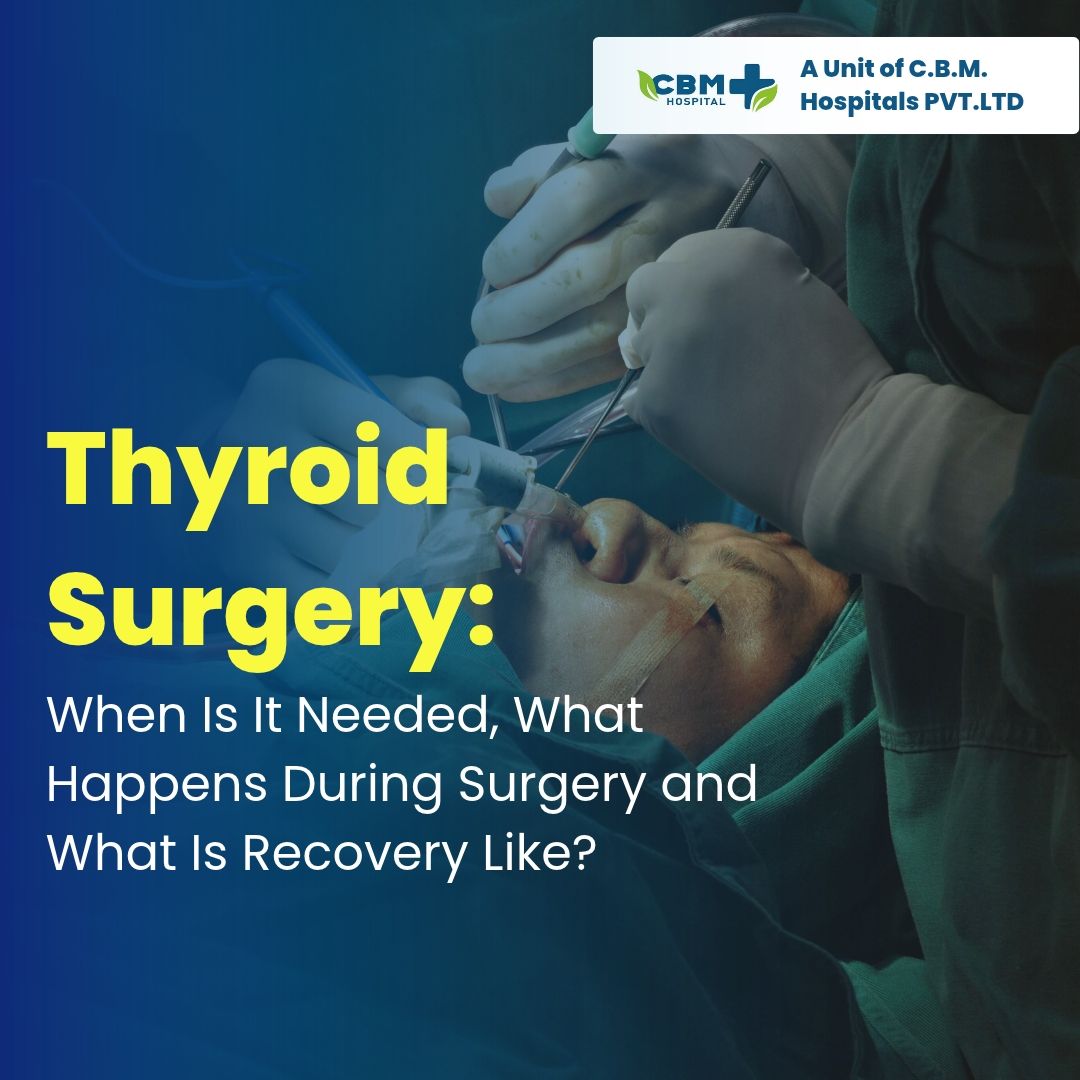
The thyroid is a small, butterfly-shaped gland located at the front of the neck, just below the voice box. It produces hormones that help regulate metabolism, body temperature, heart rate, energy levels, and several other important functions. When the thyroid develops nodules, becomes enlarged, or is affected by certain types of cancer, surgery may be recommended.
Thyroid surgery, also known as thyroidectomy, involves removing part or all of the thyroid gland. The procedure is commonly performed to treat selected thyroid cancers, large goitres, suspicious nodules, and some cases of an overactive thyroid.
Although the idea of neck surgery can feel worrying, understanding why surgery may be needed, how the procedure is performed, and what recovery involves can help patients prepare with greater confidence.
What Is Thyroid Surgery?
Thyroid surgery is an operation to remove a portion of the thyroid gland or the entire gland, depending on the underlying medical condition.
The thyroid is located near important structures, including the vocal cord nerves and the parathyroid glands, which help regulate calcium levels in the body. For this reason, thyroid surgery requires careful assessment and an appropriately trained surgical team.
The main types of thyroid surgery include:
- Thyroid lobectomy: Removal of one side, or lobe, of the thyroid.
- Total thyroidectomy: Removal of the entire thyroid gland.
- Subtotal thyroidectomy: Removal of most, but not all, of the thyroid tissue in selected situations.
- Completion thyroidectomy: Removal of the remaining thyroid tissue after an earlier operation, when medically indicated.
The choice of procedure depends on the diagnosis, size and location of the thyroid abnormality, cancer risk, thyroid function, and the patient’s overall health.
Not every thyroid problem requires surgery. Some conditions can be managed with medication, monitoring, radioactive iodine treatment, or other appropriate approaches.
When Is Thyroid Surgery Needed?
A doctor may recommend thyroid surgery when the potential benefits outweigh the risks of continuing with non-surgical treatment.
1. Thyroid Cancer
Thyroid surgery is an important treatment for many thyroid cancers. Depending on the type, size, and extent of the cancer, the surgeon may recommend removing one thyroid lobe or the entire gland.
In selected cases, lymph nodes in the neck may also need to be removed. Additional treatment, such as radioactive iodine, may be considered for certain cancers after surgery.
The treatment plan is individualised according to the cancer diagnosis and its risk features.
2. Suspicious Thyroid Nodules
Thyroid nodules are lumps that develop within the thyroid gland. Most are benign, but some require further investigation because of their appearance, growth, or biopsy results.
Doctors may recommend surgery when a nodule is suspicious for cancer, when testing is inconclusive and clinical concern remains, or when the nodule causes significant symptoms.
Evaluation may include thyroid ultrasound, blood tests, and fine-needle aspiration biopsy, depending on the circumstances.
3. Goitre or Enlarged Thyroid
A goitre is an enlargement of the thyroid gland. It can occur for several reasons, including iodine-related problems, autoimmune thyroid disease, and thyroid nodules.
A large goitre may cause pressure in the neck, difficulty swallowing, breathing problems, or a visible swelling. Surgery may be considered when the enlargement causes significant compression, concerning structural changes, or other symptoms that cannot be managed adequately with alternative treatments.
4. Hyperthyroidism
Hyperthyroidism occurs when the thyroid produces too much thyroid hormone. Causes include Graves’ disease, toxic nodules, and toxic multinodular goitre.
Medication and radioactive iodine are treatment options for some patients. Surgery may be appropriate when the thyroid is substantially enlarged, other treatments are unsuitable or unsuccessful, or a rapid and definitive treatment is preferred for a specific clinical reason.
Patients generally require appropriate preparation to control thyroid hormone levels before planned surgery.
5. Repeated or Persistent Thyroid Problems
Some thyroid conditions may require surgery when symptoms continue despite appropriate treatment or when the diagnosis raises concerns that need to be addressed surgically.
The decision should be made after reviewing investigations, treatment history, and the risks and benefits of the available options.
Common Symptoms of Thyroid Problems
Thyroid disorders can cause different symptoms depending on whether the gland is underactive, overactive, enlarged, or affected by a nodule.
Common symptoms may include:
- A lump or swelling at the front of the neck.
- Difficulty swallowing.
- A sensation of pressure in the neck.
- Breathing discomfort, particularly when lying down, if the gland is compressing the airway.
- Persistent hoarseness or changes in the voice.
- Unexplained weight changes.
- Fatigue or changes in energy levels.
- Sensitivity to heat or cold.
- A rapid heartbeat, tremors, or increased sweating in some cases of hyperthyroidism.
These symptoms do not automatically mean that surgery is necessary. Many can occur with conditions that are treated medically, and some people with thyroid nodules have no symptoms at all.
A new neck lump, persistent hoarseness, or progressive difficulty swallowing should be assessed by a healthcare professional. Significant breathing difficulty requires emergency medical attention.
How Is Thyroid Disease Diagnosed Before Surgery?
Before recommending thyroid surgery, the medical team evaluates the thyroid gland and determines the cause of the problem.
1. Medical History and Physical Examination
The doctor asks about symptoms, previous thyroid conditions, family history, medications, and any history of radiation exposure that may be relevant. The neck is examined for thyroid enlargement, nodules, and enlarged lymph nodes.
2. Thyroid Blood Tests
Blood tests commonly include thyroid-stimulating hormone (TSH). Depending on the situation, the doctor may also request free T4, T3, thyroid antibodies, or other tests.
These investigations help assess thyroid function, but normal thyroid hormone levels do not rule out a thyroid nodule or thyroid cancer.
3. Thyroid Ultrasound
Ultrasound uses sound waves to examine the thyroid gland. It helps assess the size of nodules, their appearance, and whether any neck lymph nodes look abnormal.
The findings help determine whether additional investigation or biopsy is required.
4. Fine-Needle Aspiration Biopsy
A fine-needle aspiration, or FNA, uses a thin needle to collect cells from a thyroid nodule for examination.
The results can help identify benign nodules, suspicious changes, or findings that require further evaluation. Not every nodule needs a biopsy, and some results may require additional assessment.
5. Additional Investigations
Depending on the diagnosis, the doctor may recommend a thyroid scan, CT imaging, vocal cord assessment, or other investigations. These tests are selected according to the patient’s symptoms and planned treatment.
What Happens During Thyroid Surgery?
The exact procedure depends on whether one thyroid lobe, the entire gland, or additional tissue needs to be removed.
Step 1: Preoperative Assessment
Before surgery, the medical team reviews test results, current medicines, allergies, and existing medical conditions. Patients receive instructions regarding fasting, medication adjustments, and other preparations.
If thyroid hormone levels are too high, the doctor may recommend treatment before planned surgery to reduce the risk of complications.
Step 2: Anaesthesia
Thyroid surgery is generally performed under general anaesthesia, meaning the patient is asleep and does not feel the operation.
The surgical team monitors the patient’s vital signs throughout the procedure.
Step 3: Surgical Incision
The surgeon usually makes an incision in the lower front of the neck, often along a natural skin crease. The thyroid gland is carefully exposed while protecting surrounding structures.
The incision size and surgical approach depend on the patient’s anatomy, the size of the gland, and the condition being treated.
Step 4: Removing the Thyroid Tissue
The surgeon removes the planned portion of the thyroid gland. Particular care is taken to protect the nerves that control the vocal cords and the parathyroid glands, which regulate calcium.
If thyroid cancer requires lymph node surgery, the surgeon may remove selected lymph nodes as part of the operation.
Step 5: Closing the Incision
After checking the surgical area, the surgeon closes the incision with appropriate sutures or other closure materials. A drain may be used in selected cases, but it is not necessary for every patient.
The removed tissue is sent for laboratory examination when indicated.
Step 6: Recovery Room Monitoring
After surgery, the patient is monitored while recovering from anaesthesia. The medical team checks breathing, pain, the surgical wound, voice changes, and other signs of possible complications.
Depending on the procedure and the patient’s condition, discharge may occur the same day or after an overnight or longer hospital stay.
Types of Thyroid Surgery
1. Thyroid Lobectomy
A lobectomy removes one side of the thyroid gland. It may be appropriate for selected nodules, certain small thyroid cancers, or other conditions limited to one lobe.
Some patients continue to produce sufficient thyroid hormone after surgery, while others need thyroid hormone replacement.
2. Total Thyroidectomy
A total thyroidectomy removes the entire thyroid gland. It may be recommended for certain thyroid cancers, some large or symptomatic goitres, and selected cases of hyperthyroidism.
Because the body can no longer produce thyroid hormone through the thyroid gland, patients require lifelong thyroid hormone replacement medication.
3. Completion Thyroidectomy
A completion thyroidectomy removes the remaining thyroid tissue after an earlier operation. It may be considered when the final diagnosis or other clinical findings indicate that further surgery would be beneficial.
The decision depends on the original pathology, cancer risk, and the potential benefits and risks of another operation.
Benefits of Thyroid Surgery
When appropriately recommended, thyroid surgery can provide several benefits:
- Removal of thyroid cancer or suspicious tissue.
- Reduction of pressure caused by an enlarged thyroid gland.
- Improvement in swallowing or breathing symptoms caused by compression.
- Definitive treatment for selected causes of hyperthyroidism.
- Removal of nodules that cause significant symptoms or require diagnostic clarification.
- An opportunity to examine removed tissue and establish a more definitive diagnosis.
The expected benefit depends on the underlying condition. Surgery does not guarantee that every symptom will disappear, and some patients need additional treatment or long-term monitoring.
Risks and Possible Complications of Thyroid Surgery
Thyroid surgery is a commonly performed operation, but it has potential risks that patients should understand before proceeding.
1. Voice Changes
The nerves that control the vocal cords lie close to the thyroid gland. Temporary hoarseness can occur after surgery, while nerve injury causing persistent voice changes is less common.
Some patients may experience changes in voice strength or pitch. The risk depends on the operation and the condition being treated.
2. Low Calcium Levels
The parathyroid glands are located near the thyroid and help regulate calcium. If their function is temporarily affected or the glands are damaged, blood calcium levels may fall.
Symptoms can include tingling around the mouth, tingling in the fingers, muscle cramps, or spasms. Calcium levels may need monitoring, and some patients require calcium or vitamin D supplements.
This complication is more relevant after total thyroidectomy than after removal of only one thyroid lobe.
3. Bleeding or Neck Haematoma
Bleeding can occur after surgery. A collection of blood in the neck is uncommon but can become dangerous if it presses on the airway.
Rapid neck swelling, difficulty breathing, or difficulty swallowing after surgery requires immediate emergency attention.
4. Infection
Infection at the incision site is possible but is generally uncommon. Increasing redness, warmth, drainage, fever, or worsening pain should be reported to the medical team.
5. Need for Thyroid Hormone Medication
After total thyroidectomy, lifelong thyroid hormone replacement is necessary. Following a lobectomy, medication may also be required if the remaining thyroid tissue does not produce enough hormone.
The dose is adjusted through follow-up blood tests.
Recovery After Thyroid Surgery
Recovery varies depending on the extent of surgery, the patient’s health, and whether complications occur.
First 24 Hours
The medical team monitors breathing, the neck wound, pain, voice, and calcium levels when appropriate.
Mild neck discomfort, stiffness, or a sore throat may occur after surgery. Patients are given guidance about eating, drinking, movement, and medication.
First Week
Many patients gradually return to light daily activities during the first week, depending on their condition and the surgeon’s instructions.
The incision should be kept and cared for according to the medical team’s instructions. Avoid strenuous exercise and heavy lifting until the treating clinician says it is safe.
Two to Four Weeks
Neck stiffness and discomfort usually improve gradually. Patients can often increase their normal activities as recovery progresses.
The timing of a return to work depends on the type of work, the extent of surgery, and how the patient feels.
Long-Term Recovery
The scar may continue to soften and fade over several months. The surgeon can advise on appropriate scar care and sun protection once the incision has healed.
Patients who need thyroid hormone replacement should take it as directed and attend follow-up appointments for blood tests and dose adjustments.
Seek urgent medical attention for breathing difficulty, rapidly increasing neck swelling, or severe symptoms suggesting low calcium. Contact the treating team for fever, wound concerns, persistent voice changes, or worsening symptoms.
Life After Thyroid Surgery
Most patients can return to their usual activities after recovery, although long-term care depends on the procedure and diagnosis.
Thyroid Hormone Replacement
People who undergo total thyroidectomy need lifelong levothyroxine, a medicine that replaces thyroid hormone. Some people who have a lobectomy also require it.
The dose is individualised using blood tests and clinical assessment. Patients should not stop or change the dose without medical advice.
Monitoring Calcium Levels
Patients who develop low calcium levels may require temporary or, less commonly, longer-term calcium and vitamin D supplementation. The medical team determines whether monitoring or treatment is needed.
Follow-Up for Thyroid Cancer
If surgery was performed for cancer, follow-up may include clinical examinations, blood tests, ultrasound, or additional treatment, depending on the cancer type and risk assessment.
Diet and Daily Activities
There is no single diet that every thyroid surgery patient must follow. A balanced diet and adequate hydration support general recovery. Follow specific instructions if the surgeon recommends temporary changes to food, activity, or medication.
How Much Does Thyroid Surgery Cost in India?
The cost of thyroid surgery varies depending on the type of operation, the patient’s condition, the hospital, and the medical care required.
Factors that can affect the total cost include:
- The type of thyroid surgery performed.
- Preoperative blood tests, ultrasound, biopsy, and other investigations.
- Anaesthesia and operating-room charges.
- Hospital stay and postoperative monitoring.
- Pathology examination and any additional treatment.
- Medicines, calcium monitoring, and follow-up appointments.
- Insurance coverage and eligibility.
A thyroid lobectomy may have a different cost from total thyroidectomy or surgery involving lymph node removal. For an accurate estimate, patients should request an itemised quotation after the diagnosis and treatment plan have been confirmed.
Patients considering Brij Lal Hospital in Haldwani can contact the hospital directly to enquire about thyroid-related consultations, available surgical services, estimated charges, and insurance or payment arrangements.
Choosing a Hospital for Thyroid Surgery in Haldwani
Choosing a suitable hospital is an important part of planning thyroid surgery. Patients should consider the qualifications and experience of the treating surgeon, access to appropriate diagnostic tests, anaesthesia and postoperative monitoring, and arrangements for managing possible complications.
When searching for the Best Hospital in Haldwani, ask whether the facility can provide an appropriate thyroid assessment, explain the available treatment options, and arrange follow-up care after surgery.
People comparing options for the Best Multispeciality Hospital in Haldwani should also check which relevant specialists and diagnostic services are available, whether emergency support is accessible, and how ongoing thyroid hormone management will be handled.
Brij Lal Hospital can be contacted directly for current information about its available services and specialist consultations. Before proceeding, confirm the specific procedure being offered, the treating clinician’s qualifications, the expected recovery process, and the total estimated cost.
Frequently Asked Questions (FAQs)
1. Is thyroid surgery always necessary for thyroid nodules?
No. Many thyroid nodules are benign and do not require surgery. Depending on their appearance, size, symptoms, and biopsy findings, the doctor may recommend observation, additional testing, or treatment.
2. How long does thyroid surgery take?
The duration depends on whether one thyroid lobe or the entire gland is removed and whether additional procedures are needed. Your surgeon can provide a more accurate estimate based on your diagnosis and planned operation.
3. Is thyroid surgery painful?
The operation is generally performed under general anaesthesia, so the patient does not feel the procedure. Some neck soreness, stiffness, or throat discomfort may occur afterward and usually improves gradually.
4. Will I need lifelong medication after thyroid surgery?
Lifelong thyroid hormone replacement is necessary after total thyroidectomy. After a lobectomy, some patients produce enough hormone naturally, while others require medication. Follow-up blood tests help determine whether treatment is needed.
5. Can I speak normally after thyroid surgery?
Many patients speak normally after recovery. Temporary hoarseness can occur, but persistent voice changes may require further assessment. Report significant or ongoing voice problems to your treating team.
6. How long does it take to recover from thyroid surgery?
Many patients resume light activities within several days, but complete recovery varies. Work, exercise, and other activities should be resumed according to the surgeon’s instructions.
7. Can thyroid problems return after surgery?
The answer depends on the operation and the original condition. Some thyroid tissue remains after a lobectomy, so certain problems can develop in the remaining gland. After total thyroidectomy, patients still need follow-up for hormone management and, when relevant, cancer surveillance.
8. What symptoms after thyroid surgery require urgent care?
Rapidly increasing neck swelling, difficulty breathing, or severe difficulty swallowing requires immediate emergency assessment. Tingling around the mouth or fingers and muscle spasms can indicate low calcium and should be reported promptly.
Conclusion
Thyroid surgery can be an effective treatment for selected cases of thyroid cancer, suspicious nodules, large goitres, and certain causes of hyperthyroidism. The right approach depends on an accurate diagnosis, the extent of the thyroid problem, and the patient’s individual medical needs.
Understanding the procedure, possible complications, recovery process, and long-term medication requirements can help patients make informed decisions. Not every thyroid condition requires surgery, so a proper medical assessment is essential before selecting treatment.
If you have a thyroid lump, persistent neck swelling, swallowing difficulties, or a diagnosed thyroid condition that may require surgery, consult a qualified healthcare professional. For local enquiries, contact Brij Lal Hospital in Haldwani to confirm available consultation and treatment options.
SEO Keywords: Brij Lal Hospital, Best Hospital in Haldwani, Best Multispeciality Hospital in Haldwani, thyroid surgery, thyroidectomy, thyroid surgery in Haldwani, thyroid nodule treatment, goitre surgery, thyroid cancer surgery, thyroid surgery recovery, thyroid specialist in Haldwani.