AI in Modern Healthcare: Benefits for Patients-
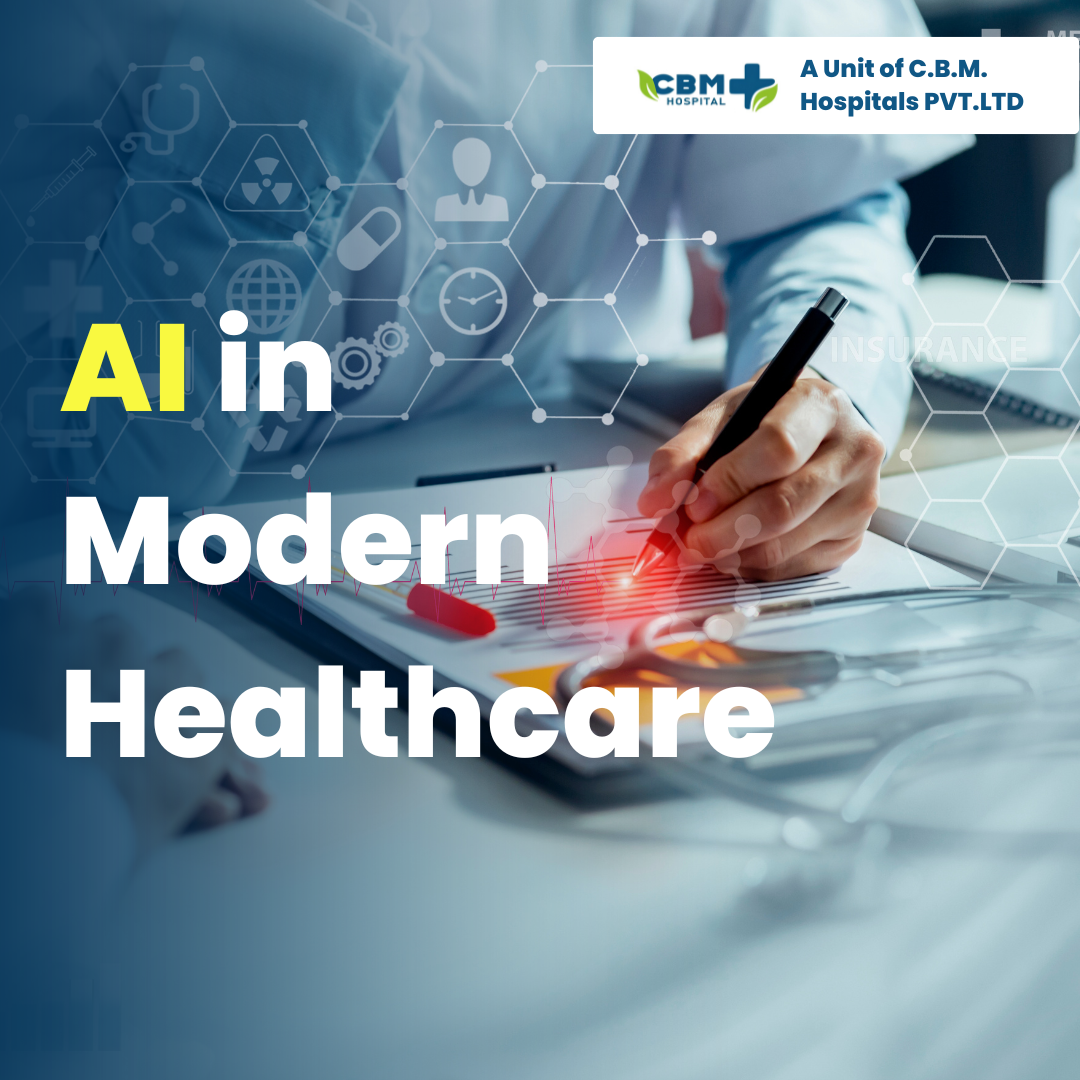
Artificial Intelligence (AI) is rapidly transforming modern healthcare. From helping doctors analyse medical images to supporting faster diagnosis and improving patient monitoring, AI is becoming an important part of the healthcare system. However, AI is not designed to replace doctors. Instead, it can support healthcare professionals by helping them analyse information, identify patterns, and make more informed clinical decisions.
As healthcare technology continues to develop, patients are increasingly benefiting from faster, more personalised, and more efficient healthcare services. Understanding the role of AI in healthcare can help patients appreciate how technology is supporting modern medical care.
What Is Artificial Intelligence in Healthcare?
Artificial Intelligence refers to computer systems that can analyse large amounts of information, identify patterns, and perform tasks that traditionally require human intelligence.
In healthcare, AI can be used to support:
- Medical diagnosis
- Medical image analysis
- Patient monitoring
- Drug research and development
- Personalised treatment planning
- Hospital administration
- Health data analysis
AI tools are designed to assist trained healthcare professionals. The final diagnosis and treatment decisions should always involve qualified doctors and appropriate clinical evaluation.
How Is AI Being Used in Modern Healthcare?
1. Supporting Faster Diagnosis
AI can analyse large amounts of medical information quickly. In certain areas, AI-assisted systems may help doctors identify patterns in medical images, laboratory data, and other clinical information.
For example, AI technology may support the analysis of:
- X-rays
- CT scans
- MRI scans
- Ultrasound images
- Pathology images
These tools can help healthcare professionals identify areas that may require closer examination. However, AI results must be interpreted and verified by qualified medical professionals.
2. Helping Detect Diseases Earlier
Early detection is important for many medical conditions. AI can help analyse patterns that may be difficult to identify quickly through manual review alone.
Early identification of potential health problems may allow doctors to:
- Perform additional diagnostic tests
- Begin treatment earlier
- Monitor a patient’s condition more closely
- Develop an appropriate care plan
Early diagnosis is particularly important in conditions such as cancer, heart disease, stroke, and other serious illnesses.
3. Personalised Healthcare
Every patient is different. Age, medical history, lifestyle, genetics, and other factors can influence health and treatment.
AI can help analyse patient data to support more personalised healthcare planning. This may help doctors better understand individual risk factors and consider treatment options that are more suitable for a patient’s specific needs.
However, personalised care still depends on the expertise, experience, and clinical judgement of healthcare professionals.
4. Improved Patient Monitoring
AI-powered systems and wearable devices can help monitor certain health measurements, depending on the technology and clinical setting.
These may include:
- Heart rate
- Blood pressure
- Blood glucose levels
- Oxygen saturation
- Physical activity
Continuous monitoring may help healthcare professionals identify changes in a patient’s health and respond when necessary.
5. Supporting Remote Healthcare
AI can also support digital healthcare services and remote patient monitoring. This may be useful for patients who require regular follow-up or have difficulty travelling frequently for routine care.
Technology can help healthcare teams manage information and identify situations that may require further medical attention. However, remote healthcare should not replace emergency medical care when a patient has serious or life-threatening symptoms.
6. Reducing Administrative Work
Healthcare professionals spend significant time managing documentation and administrative tasks. AI-based tools may help organise information, assist with documentation, and improve workflow efficiency.
When routine administrative work becomes more efficient, healthcare professionals may be able to dedicate more time to patient care and communication.
7. Supporting Medical Research
AI can process large amounts of scientific and medical data. This may help researchers study diseases, identify potential treatment targets, and analyse health trends.
AI is also being explored in areas such as:
- Drug discovery
- Clinical research
- Disease modelling
- Medical research
- Public health planning
These applications may contribute to the development of new approaches to healthcare in the future.
What Are the Benefits of AI in Healthcare for Patients?
The potential benefits of AI-supported healthcare include:
Faster Analysis of Medical Information
AI can process large amounts of data rapidly, helping healthcare professionals review information more efficiently.
Earlier Identification of Health Problems
AI-assisted systems may help identify patterns that require further medical evaluation.
More Personalised Care
Patient information can be analysed to support individualised healthcare planning.
Improved Monitoring
Technology may help monitor patients and identify changes in certain health measurements.
Better Healthcare Efficiency
AI can help support administrative and operational processes in hospitals and healthcare facilities.
Can AI Replace Doctors?
No. AI cannot replace the human expertise, clinical judgement, communication, and compassion provided by qualified healthcare professionals.
Healthcare decisions require consideration of many factors, including:
- The patient’s symptoms
- Medical history
- Physical examination
- Diagnostic test results
- Treatment risks and benefits
- Patient preferences
AI may support doctors by providing data analysis and identifying patterns, but trained healthcare professionals remain essential for diagnosis, treatment planning, and patient care.
Why Patients Should Not Rely Only on AI for Medical Advice
Online AI tools can provide general health information, but they cannot replace a proper medical consultation.
Patients should avoid using AI to:
- Self-diagnose serious symptoms
- Start or stop prescription medicines
- Replace emergency medical care
- Interpret complex medical reports without professional guidance
- Delay a consultation with a doctor
If you have persistent, severe, or unusual symptoms, consult a qualified healthcare professional.
The Future of AI in Healthcare
The future of healthcare is likely to involve closer collaboration between medical professionals and advanced technologies. AI may continue to support diagnosis, medical research, patient monitoring, hospital operations, and personalised care.
However, responsible use of AI requires attention to:
- Patient privacy
- Data security
- Accuracy
- Medical ethics
- Human oversight
- Responsible clinical decision-making
Technology should be used to improve healthcare while keeping patient safety and human care at the centre.
AI and Modern Healthcare in Haldwani
As medical technology continues to evolve, patients increasingly look for healthcare facilities that combine experienced doctors, modern diagnostic services, advanced treatment options, and patient-focused care. A Best Multispeciality Hospital in Haldwani, Uttarakhand can help patients access coordinated care across multiple medical specialties.
At Brij Lal Hospital & Research Centre, modern healthcare is supported by experienced medical professionals, advanced diagnostic services, and a comprehensive approach to patient care. As technology continues to develop, the goal remains to use innovation responsibly to support better healthcare outcomes.
Conclusion
Artificial Intelligence is changing modern healthcare by supporting faster data analysis, early disease detection, patient monitoring, personalised healthcare, medical research, and hospital efficiency.
While AI can provide valuable support, it should work alongside qualified healthcare professionals rather than replace them. Patients should always seek professional medical advice for diagnosis and treatment decisions.
For patients searching for the best hospital in Haldwani, choosing a healthcare facility with experienced specialists, appropriate medical facilities, reliable diagnostic support, and a patient-centred approach remains important.
The future of healthcare will likely combine advanced technology with the knowledge, experience, and compassion of healthcare professionals. Used responsibly, AI has the potential to make healthcare more efficient, personalised, and accessible for patients.