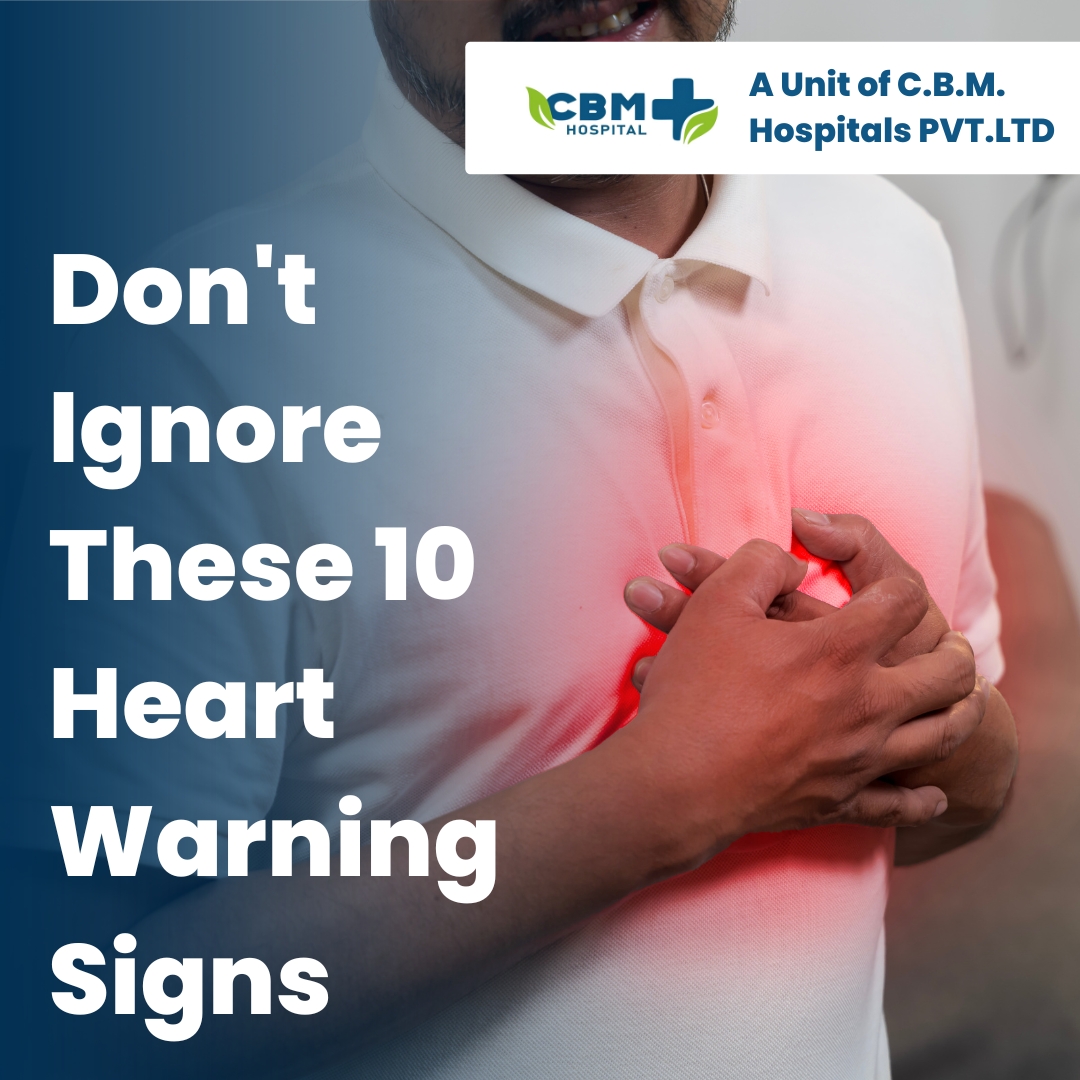
Don’t Ignore These 10 Heart Warning Signs-
Introduction
Heart disease is one of the leading causes of serious health problems across the world. Many people believe that heart disease develops suddenly, but in reality, the body often gives several warning signs before a major cardiac event occurs. Unfortunately, these symptoms are frequently ignored or mistaken for minor health concerns.
Recognizing the early warning signs of heart disease can help in timely diagnosis and treatment, reducing the risk of severe complications. Early identification of symptoms and appropriate medical attention can significantly improve outcomes and help prevent life-threatening conditions.
Many heart conditions develop gradually and may not cause obvious symptoms in their early stages. Paying attention to changes such as chest discomfort, unusual fatigue, or shortness of breath can make a significant difference in protecting long-term heart health and overall well-being.
What Is Heart Disease?
Heart disease is a broad term used to describe conditions that affect the heart and blood vessels. It includes coronary artery disease, heart rhythm disorders, heart valve diseases, and heart failure. Factors such as high blood pressure, diabetes, high cholesterol, obesity, smoking, and an unhealthy lifestyle can significantly increase the risk of developing heart disease.
Why Early Detection Matters
Early diagnosis allows doctors to identify heart-related problems before they become severe. Timely medical intervention can help manage symptoms, prevent complications, and improve overall quality of life. Paying attention to early warning signs and seeking medical advice at the right time can make a significant difference in protecting heart health.
10 Early Warning Signs of Heart Disease You Should Never Ignore
1. Chest Pain or Discomfort
Chest pain, pressure, tightness, or a squeezing sensation is one of the most common warning signs of heart disease. The discomfort may occur during physical activity or emotional stress and should never be ignored.
2. Shortness of Breath
Difficulty breathing during routine activities, climbing stairs, or even while resting may indicate that the heart is not pumping blood efficiently. Shortness of breath is an important symptom that requires medical evaluation.
3. Unusual Fatigue
Persistent tiredness that does not improve with adequate rest can be an early sign of poor heart function. Unexplained fatigue is often reported by people with underlying cardiac conditions.
4. Irregular Heartbeat or Palpitations
A racing, fluttering, or irregular heartbeat may indicate disturbances in the heart’s electrical activity. Frequent palpitations should be evaluated by a healthcare professional.
5. Pain in the Neck, Jaw, Shoulder, or Arm
Heart-related pain is not always limited to the chest. Some individuals may experience discomfort that spreads to the neck, jaw, shoulders, back, or arms, especially during physical activity.
6. Swelling in the Legs, Ankles, or Feet
Swelling in the lower limbs may occur when the heart cannot pump blood effectively. This can lead to fluid accumulation and may be an indication of an underlying heart problem.
7. Dizziness or Fainting
Feeling lightheaded, dizzy, or experiencing episodes of fainting can result from inadequate blood flow to the brain or abnormalities in heart rhythm.
8. Excessive Sweating
Sudden and unexplained sweating, particularly when accompanied by chest discomfort or shortness of breath, may be an early sign of a cardiac issue and should not be ignored.
9. Nausea or Indigestion-Like Symptoms
Some people experience nausea, stomach discomfort, bloating, or symptoms similar to indigestion before a cardiac event. Because these symptoms resemble digestive problems, they are often overlooked.
10. Difficulty Performing Routine Activities
When simple activities such as walking, climbing stairs, or carrying light objects become difficult due to fatigue or breathlessness, it may indicate an underlying heart condition.
Who Is at Higher Risk of Heart Disease?
Certain factors increase the likelihood of developing heart disease, including high blood pressure, diabetes, high cholesterol, obesity, smoking, physical inactivity, chronic stress, and a family history of heart disease. Individuals with these risk factors should undergo regular health screenings and adopt heart-healthy lifestyle habits.
How Is Heart Disease Diagnosed?
Doctors use various diagnostic methods to assess heart health and identify underlying conditions. These may include physical examinations, blood tests, electrocardiograms, echocardiography, stress tests, and advanced cardiac imaging techniques.
At Brij Lal Hospital & Research Centre, patients benefit from advanced diagnostic facilities and experienced specialists who provide accurate diagnosis and personalized treatment plans.
Tips to Protect Your Heart Health
Maintaining heart health requires a combination of preventive measures and healthy lifestyle choices. Eating a balanced diet, engaging in regular physical activity, managing blood pressure and blood sugar levels, avoiding smoking, maintaining a healthy weight, getting adequate sleep, and managing stress effectively can significantly reduce the risk of heart disease.
Regular preventive health checkups also play a crucial role in identifying risk factors early and ensuring timely medical intervention.
When Should You See a Doctor?
Seek immediate medical attention if you experience severe chest pain, sudden shortness of breath, pain radiating to the jaw or arms, fainting, excessive sweating, or sudden weakness. Prompt medical care can help prevent serious complications and improve treatment outcomes.
Why Choose Brij Lal Hospital & Research Centre?
Brij Lal Hospital & Research Centre is dedicated to delivering comprehensive and patient-centered healthcare services. With experienced specialists, advanced medical technology, and multidisciplinary expertise, the hospital provides quality care across various specialties. Our focus on early diagnosis, preventive care, and personalized treatment has made us the Best Multispeciality Hospital in Haldwani- Uttarakhand and a trusted choice for individuals seeking the best hospital in haldwani.
Conclusion
Heart disease often develops gradually, and the body may provide several early warning signs before a major cardiac event occurs. Symptoms such as chest discomfort, shortness of breath, unusual fatigue, palpitations, and dizziness should never be ignored. Recognizing these signs and seeking timely medical care can help prevent serious complications and improve long-term heart health.
If you or your loved ones are experiencing any early warning signs of heart disease, consult the experts at Brij Lal Hospital & Research Centre for timely diagnosis and personalized treatment. Early intervention can make a significant difference in protecting your heart and improving your quality of life.